
Iran Rejects Latest Qatari Peace Proposal as Unacceptable Ideas
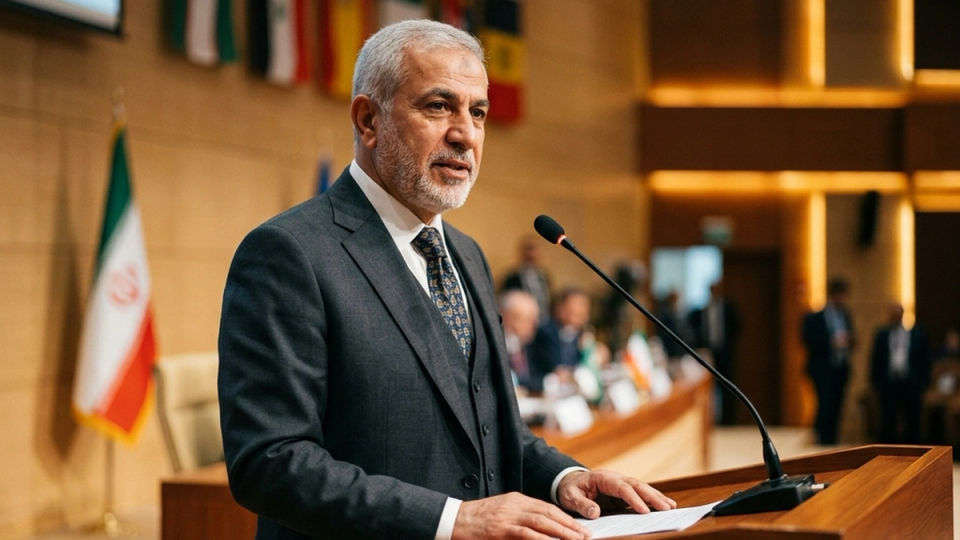
Iranian officials have dismissed the latest draft peace proposal presented by Qatari mediators to halt the eight-month-old war involving the United States and Israel, describing the terms as unacceptable concepts rather than a genuine peace offer. A diplomat familiar with the discussions indicated that the peace outline was conveyed to authorities in Tehran on Sunday, where officials are reviewing the terms before issuing a formal response.
Shortly after receiving the documentation, an Iranian delegate participating in the negotiations dismissed the draft as non-viable concepts rather than an actionable proposal, emphasizing that Tehran would make no concessions on atomic matters. Diplomatic channels overseen by Qatar and Pakistan seek to resolve the broader confrontation that has choked international commercial shipping lanes and triggered attacks extending into neighboring Gulf states.
Diplomatic Deadlock Over Nuclear Negotiations
Substantive negotiations remain blocked by fundamentally incompatible preconditions from Washington and Tehran. The United States insists that Iran's decades-long nuclear development program must be incorporated into ceasefire discussions from the outset, while Iranian representatives demand that atomic capabilities remain excluded from initial truce terms. Concerns emerged prior to the Sunday discussions that Israeli Prime Minister Benjamin Netanyahu might order fresh military action against the Islamic Republic.
The latest Qatari text differs from earlier diplomatic proposals reviewed in late September, under which Iranian Foreign Minister Abbas Araqchi indicated that navigation through the Strait of Hormuz could be normalized if specific cessation conditions were implemented. While US President Donald Trump rejected that previous arrangement, intermediaries continued shuttle diplomacy to draft alternative confidence-building measures.
Following the September gathering at the United Nations, President Trump turned down an Iranian proposal involving a seven-day truce followed by a gradual reopening of the vital maritime passage, according to CBS News.
Regional Hostilities and Retaliatory Warnings
At the close of the week, Donald Trump reiterated warnings of renewed American bombardments against Iranian targets, prompting defense personnel in Tehran to warn Reuters that contingency plans were in place to disrupt subsea communications infrastructure across the Persian Gulf.
Concurrently, regional powers have intensified consultative engagements to prevent broader conflict. On Monday, top officials from Saudi Arabia, Turkey, and Pakistan met with Iranian counterparts in Tehran to explore multilateral de-escalation mechanisms. Meanwhile, ongoing military actions by Yemen's Houthi movement in the southern Arabian Peninsula against energy facilities in Saudi Arabia, including an attack on the Ras Tanura oil refinery, pushed crude prices up by more than 1% to exceed $115 per barrel, sustaining global market pressure as ceasefire efforts falter.