
India and Liberia Establish UN Maritime Safety Coalition to Protect Global Seafarers
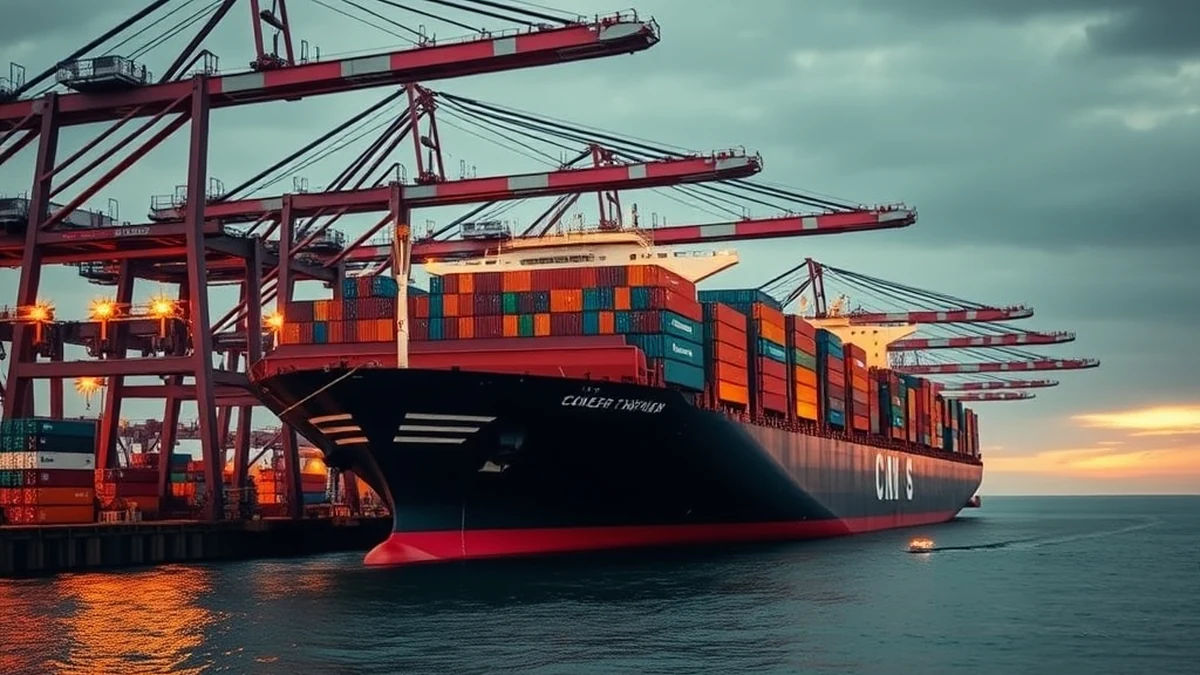
India and Liberia formally established a coalition of maritime nations on Friday, launching the Group of Friends on Safety and Security of Shipping and Seafarers on the sidelines of the 81st United Nations General Assembly in New York. The ministerial-level initiative brings together major ship-owning countries, states operating the largest shipping registries, and primary seafaring workforces to address a surge in armed assaults against merchant vessels across vital global trade corridors.
India's share of the global seafaring workforce grew from 5.2% in 2015 to 6% by 2021, while the government subsequently pursued Mission 20% to elevate national representation. Additionally, multinational coalitions such as the 47-member naval forces organization incorporate India among countries addressing regional security.
Operation Prosperity Guardian involves over 20 nations led by the United States and the United Kingdom to respond to Houthi threats against Red Sea commercial shipping and protect navigational rights. Furthermore, the joint IMO/ILO database documented 390 seafarer abandonment cases in 2025, with Indian workers experiencing the highest impact.
External Affairs Minister S. Jaishankar co-chaired the inaugural session alongside Liberian Foreign Minister Sara Beysolow Nyanti, addressing diplomats and representatives from 25 participating nations, including Germany, Japan, and Russia. Jaishankar condemned ongoing attacks on commercial shipping, stating that violence disrupting maritime commerce and endangering innocent lives in the Red Sea, the Gulf, and surrounding waters is legally and morally indefensible.
Coalition Aims to Counter Escalating Maritime Threats
The newly formed coalition arrives as merchant shipping faces severe operational hazards across multiple chokepoints, including the Strait of Hormuz, the Gulf of Oman, the Gulf of Aden, the Bab-el-Mandeb strait, the Black Sea, and Somali coastal waters. Global trade relies heavily on maritime transport, with approximately four-fifths of international commerce moving by sea, representing a global trade value estimated at 35 trillion dollars last year.
India serves as one of the world's largest suppliers of merchant seafarers, while Liberia operates the largest ship registry by tonnage. Leaders emphasized that a substantial workforce of Indian mariners serves aboard both domestic and foreign-flagged vessels transiting these volatile zones, facing heightened physical security risks alongside severe psychological distress caused by prolonged confinement and delayed crew rotations.
International Cooperation and Stakeholder Integration
During the high-level briefing at the UN press room, Jaishankar noted that the coalition aims to close ranks within the international community and deter hostile actions against civilian mariners. The initiative follows Prime Minister Narendra Modi's recent proposal at the BRICS summit advocating for a dedicated Seafarers Emergency Support Network to assist vulnerable crews.
Foreign Minister Nyanti emphasized that the global economy runs on water and warned that commercial shipping operators face compounding pressures from shifting geopolitical friction and persistent gaps in labor and safety standards. She asserted that seafarers keep the global supply chain moving and must never be treated as expendable.
Next Steps and Institutional Framework
The voluntary and action-oriented platform intends to coordinate policy positions across major international institutions, including the United Nations, the International Maritime Organization, and the International Labour Organization. Co-chaired by New Delhi and Monrovia, the group will operate through regular consultative sessions to formalize working mechanisms.
Participating member states agreed to finalize operational protocols and cooperative measures through ongoing diplomatic engagement, establishing a structured framework designed to reinforce existing international maritime mandates and provide stability in turbulent global trade routes.
Sources & Citations
- NDTV Report
- TOI Report
- South Asian Herald Report
- Press Information Bureau, Government of IndiaPrimary / official
- U.S. Naval Forces Central CommandPrimary / official
- U.S. Department of WarPrimary / official
- Assafina Online
The Indus Pulse is committed to accuracy and transparency.