India and Canada Restore Full Diplomatic Ties | The Indus Pulse
By The Indus Pulse World Desk 12 Sept 2026, 10:05 AM 5 min readworld
India and Canada Restore Full Diplomatic Ties Ahead of December Trade Pact
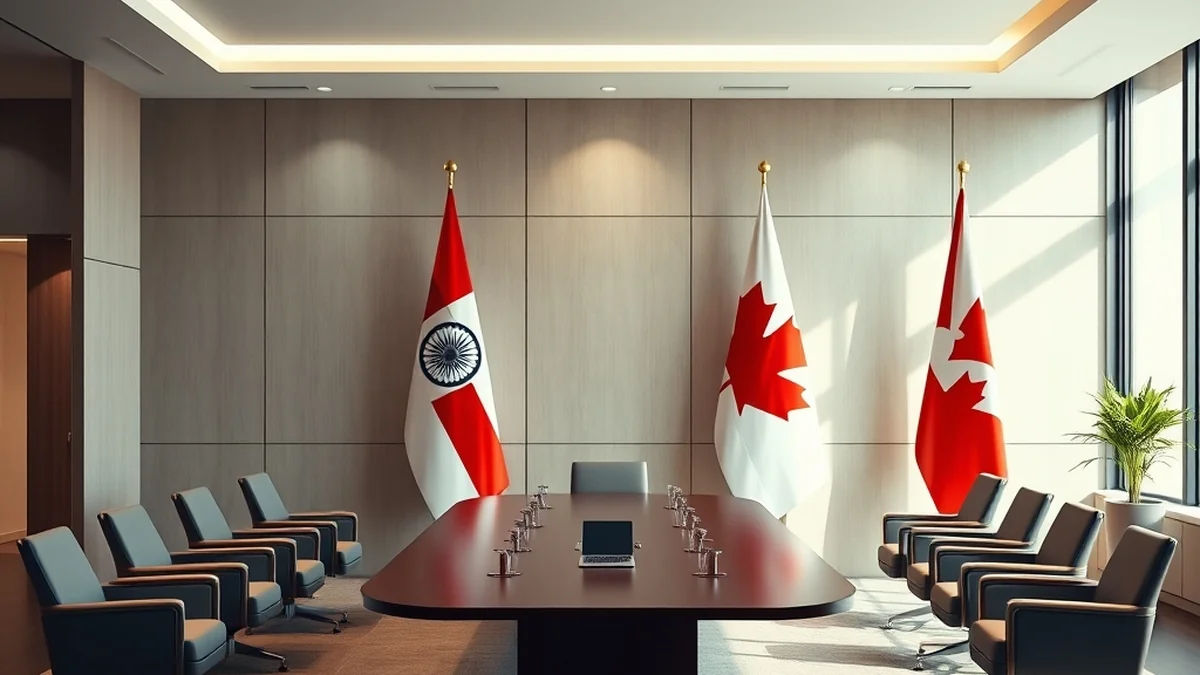
AI Illustration
The Bottom Line
•India and Canada have restored their diplomatic missions to full strength following a three-year period of strained relations.
•The two nations are now coordinating a visit by Prime Minister Narendra Modi to Canada in December to announce the Comprehensive Economic Partnership Agreement.
•Security dialogues, including Canada's designation of the Lawrence Bishnoi gang as a terrorist organization, have facilitated the current diplomatic thaw.
India and Canada have officially restored their diplomatic missions to full strength, marking a significant thaw in relations three years after a severe diplomatic rift. The restoration of full staffing levels follows a period of intense strain that saw both nations downsize their respective embassies and recall high commissioners in the wake of allegations regarding the killing of a Khalistani activist in Canada. Canadian High Commissioner to India Christopher Cooter confirmed the development, stating that the bilateral relationship has moved well beyond a simple reset and is currently in a phase of constructive rebuilding that serves the interests of both nations.
This diplomatic stabilization comes as both governments prepare for a high-level engagement later this year. Mr. Cooter indicated that discussions are currently underway for a bilateral visit by Prime Minister Narendra Modi to Canada this December. The visit is expected to serve as the platform for the formal announcement of the Comprehensive Economic Partnership Agreement (CEPA), a long-awaited trade framework intended to deepen economic integration between the two countries. While the path to this reconciliation has been complex, officials suggest that recent security cooperation has played a pivotal role in improving the overall atmosphere between New Delhi and Ottawa.
Security Cooperation and Diplomatic Progress
The improvement in bilateral ties is attributed in part to enhanced security dialogues between the two nations. Mr. Cooter highlighted that the ongoing security discussions regarding the Nijjar killing case have shown tangible progress, helping to alleviate some of the tensions that previously paralyzed diplomatic channels. This collaborative approach to sensitive security matters has been instrumental in creating the necessary space for broader state-to-state engagement.
specific administrative actions taken by Canadian authorities have been viewed positively by New Delhi. The decision to declare the Lawrence Bishnoi gang a terrorist organization has been cited as a concrete step that has contributed to a more favorable climate for diplomacy. By addressing shared security concerns through formal legal and administrative mechanisms, both countries have managed to move past the most volatile period of their recent history, allowing for a return to normalized diplomatic operations and the resumption of high-level policy discussions.
The Path to the Comprehensive Economic Partnership Agreement
The upcoming December visit by Prime Minister Modi is framed as the culmination of these efforts to stabilize the relationship. The announcement of the Comprehensive Economic Partnership Agreement (CEPA) is expected to be the centerpiece of the visit, signaling a shift from security-focused friction to economic cooperation. This agreement is designed to provide a structured framework for trade, investment, and commercial exchange, which has been a priority for both governments throughout the reconciliation process.
While the diplomatic atmosphere has significantly improved, Mr. Cooter maintained a cautious stance regarding the past. When questioned about whether Canada owes India a formal apology for the public allegations that initially triggered the rift, the High Commissioner sidestepped the issue, focusing instead on the current trajectory of the relationship. This approach reflects a broader strategy of prioritizing future-oriented cooperation over the relitigation of past grievances, ensuring that the focus remains on the implementation of the trade pact and the strengthening of institutional ties.
Historical Context of the Diplomatic Rift
The current state of affairs stands in stark contrast to the situation three years ago, when the relationship reached its nadir. The allegations of Indian involvement in the death of a Khalistani activist on Canadian soil led to a rapid deterioration of ties, characterized by the expulsion of diplomats and the suspension of various consular services. The subsequent period was marked by public accusations and a significant reduction in the operational capacity of both missions, creating a vacuum that hindered effective communication.
In his remarks at The Hindu MIND event, Mr. Cooter noted that in the 80-year history of diplomatic relations between the two countries, there has never been an environment that has drawn them together in the same way as the current period of rebuilding. This perspective suggests that the intensity of the recent crisis may have paradoxically forced a more rigorous and transparent engagement process, leading to a more resilient foundation for the future of the bilateral partnership.
Broader Implications for International Relations
The normalization of India-Canada ties is being closely watched as a case study in managing high-stakes diplomatic disputes between democratic partners. The ability of both nations to navigate the fallout of the Nijjar case while simultaneously working toward a major trade agreement demonstrates a pragmatic approach to international relations. By decoupling security disputes from economic and diplomatic agendas, both governments have successfully prevented a long-term freeze in their bilateral cooperation.
As the two countries move toward the December summit, the focus will likely shift to the technical implementation of the CEPA and the expansion of people-to-people ties. The restoration of full embassy strength is the final procedural step in this transition, ensuring that the necessary administrative infrastructure is in place to support the anticipated increase in bilateral activity. This development marks the end of a turbulent chapter and the beginning of a new, more structured phase in the India-Canada relationship.
Next steps for the bilateral relationship include the finalization of the agenda for Prime Minister Modi's visit to Canada in December. Diplomatic teams from both nations are currently working to iron out the remaining details of the Comprehensive Economic Partnership Agreement. The restoration of full mission staffing is now complete, providing the necessary personnel to manage the expected increase in trade and diplomatic traffic. Both sides remain focused on the December deadline for the formal trade announcement, with no further public statements expected regarding the past security allegations.
The Indus Pulse is committed to accuracy and transparency.