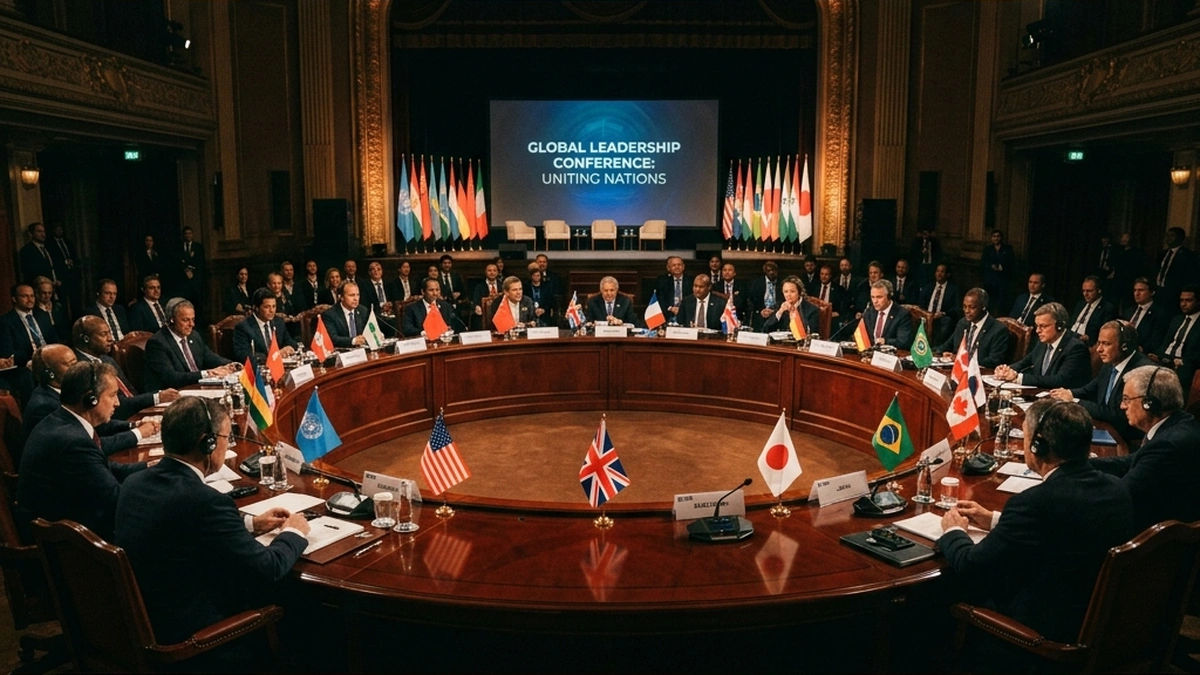
Current and former leaders of the International Criminal Court’s governing body have issued a sharp joint condemnation against intensifying diplomatic isolation campaigns, warning that coordinated efforts to weaken the tribunal threaten global adherence to the rule of law. Published on the Just Security platform, the joint statement by Assembly of States Parties President Paivi Kaukoranta and seven former presidents emphasized that mounting pressures are engineered to dismantle the foundational architecture of international accountability.
The high-level warning comes in direct response to escalating punitive actions from Washington, including financial and travel sanctions imposed by the Trump administration against ICC judges, officials, and senior trial lawyers. State Department officials have defended the restrictive measures as necessary to protect American personnel and allies from what Washington characterizes as jurisdictional overreach, particularly regarding investigations involving Israel and past US military actions.
Governing Body Warns of Lawlessness and Impunity
The joint intervention by current and former assembly presidents underscores a growing institutional alarm over systemic assaults on multilateralism. The authors argued that the ICC represents a deliberate, sovereign commitment by member nations to prosecute grave international crimes, including genocide, war crimes, and crimes against humanity, functioning strictly as a court of last resort rather than an infringement on state sovereignty.
By attempting to compel member states to withdraw from the Rome Statute or join restrictive measures, external actors are deliberately risking a descent into global impunity. The leaders framed the current geopolitical friction as a stark choice between a predictable international order anchored in legal frameworks and a transactional system where arbitrary political power and military might dictate outcomes.
Washington Expands Sanctions and Multilateral Retreat
The diplomatic confrontation reflects a broader withdrawal by the United States from multilateral frameworks under the current administration. In addition to targeting the ICC presidency and senior legal personnel, Washington has sanctioned United Nations human rights rapporteurs, ended participation in the UN Human Rights Council, halted funding to relief agencies, and exited numerous international conventions.
State Department spokeswoman Paloma Chacon asserted that the American campaign to restrict the court's operational capacity would persist. Despite these measures, the ICC governing body called upon the court's 125 member states and global civil society organizations to furnish robust political, legal, and practical backing to resist coercion.
Human Rights Coalition Documents Wider Systemic Collapses
The defense of the ICC coincides with broader assessments from international monitors documenting a worldwide erosion of humanitarian norms. Amnesty International released its comprehensive global analysis highlighting pervasive rule-breaking, extrajudicial actions, and systematic crackdowns on civic dissent across multiple regions throughout the past year.
The findings point to unpunished violations in protracted conflicts, ranging from military operations in the Middle East to attacks on civilian infrastructure in Eastern Europe and localized violence in Africa. Human rights advocates emphasized that powerful states are increasingly utilizing economic blackmail and unilateral sanctions to bypass international scrutiny and disable protective legal mechanisms.
Civil Society Resistance and Institutional Pushback
Despite the retreat of traditional diplomatic safeguards, international bodies and grassroots coalitions have advanced notable counter-efforts to uphold accountability. Recent legal milestones include formal state cooperation in transferring high-profile figures to international jurisdiction, the expansion of specialized investigative mandates, and widespread public demonstrations opposing authoritarian encroachment.
Legal scholars and international observers note that while several European governments have exhibited reluctance or ambiguity regarding the enforcement of international warrants, other member states continue to bolster institutional cooperation. The collective response from civil society and committed nations remains a vital bulwark against the systematic dismantling of global legal protections.