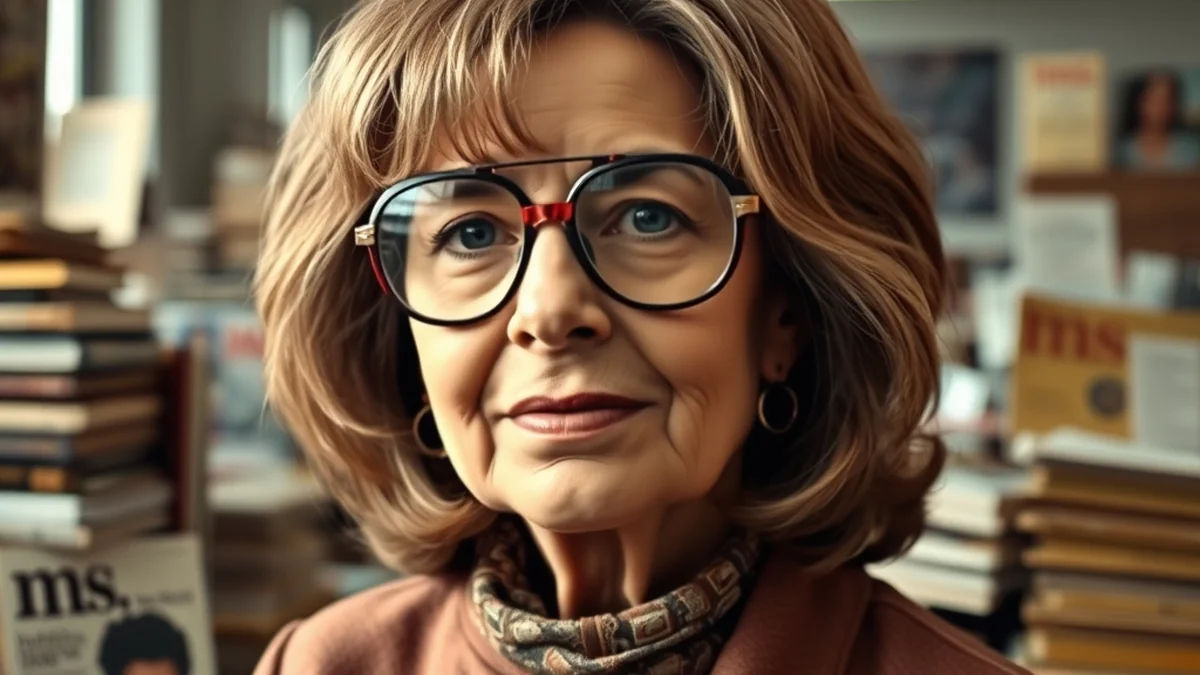
Gloria Steinem, the most visible symbol and potent voice of the American women’s movement during the 1960s and 1970s and a fierce advocate for feminist causes throughout her life, has died at the age of 92. Recognized instantly by her trademark streaked hair parted down the middle and large aviator glasses, Steinem co-founded Ms. Magazine and spent decades on the road, speaking at college campuses, community centers, rallies, and marches across the United States.
Her passing closed a monumental chapter in modern social advocacy, arriving alongside the death of country music icon Dolly Parton just days prior. Together, the two figures embodied distinct approaches to women’s empowerment, prompting widespread reflection on feminism's evolving definition, reach, and generational legacy.
A Life Defined by Undercover Reporting and Activism
Steinem's ascent as a prominent public figure began with direct, unflinching engagement with systemic inequality. Among her most famous early exploits was going undercover as a Playboy Bunny to report from the inside on the working conditions and treatment of women at Hugh Hefner's clubs. This investigative rigor cemented her reputation as a journalist willing to expose societal hypocrisy firsthand.
Beyond her early journalistic breakthroughs, she built a career around persuading women to back one another and construct independent lives. Whether launching Ms. Magazine in 1972 or organizing grassroots coalitions, Steinem argued that the core of feminism lay in a woman locating her own power and helping others find theirs, unbound by traditional marital or familial expectations.
Contrasting Legacies in Public Womanhood
The death of Steinem eight days after that of Dolly Parton sparked considerable cultural commentary regarding differing paths to female autonomy. While Steinem was explicitly political and embraced the feminist label, Parton famously declined the designation to keep a broad fan base across the political spectrum.
Despite their different vocabularies, Steinem had claimed Parton within the feminist framework decades earlier. Writing in 1987 when Ms. Magazine named Parton one of its Women of the Year, Steinem argued that the singer qualified because she championed self-determination and directed her earnings toward working women, poor communities, and her native Tennessee.
Political Polarization and Contemporary Mourning
The divergent public personas of Steinem and Parton were reflected in the distinct public reactions to their deaths. Parton received widespread, cross-partisan tributes, including orders from former President Donald Trump to fly flags at half-staff in her honor.
In contrast, Steinem’s passing drew muted acknowledgement from conservative figures who had previously credited her as a significant historical figure, while drawing immediate and profound grief from the political left and her own generation of activists. Hillary Clinton noted that Steinem’s activism rested on an optimism maintained in the face of obstacle after obstacle.
Unresolved Debates Over Modern Feminism
Steinem’s vision of feminism faced severe structural headwinds in her later years, sitting in sharp tension with an American political landscape that moved rightward. She lived through major legal setbacks, including the Supreme Court's decision to strike down Roe v. Wade, which dismantled the constitutional right to abortion secured by her generation.
unfulfilled legislative goals like the Equal Rights Amendment and the ongoing absence of a female U.S. president highlighted the persistent hurdles facing the movement. Fights over abortion policy, shifting electoral coalitions, and identity politics further strained the broad political coalition Steinem helped assemble.
Remembering a Legacy of Choice
Throughout decades of shifting political tides, Steinem's core philosophy remained steadfast. She maintained that political labels were ultimately secondary to whether a woman possessed the self-awareness to make her own life choices.
As public mourning brought generations of activists together, commentators and admirers alike confronted the question of who would step into the influential space left behind by a pioneer who taught a nation of women to speak up.