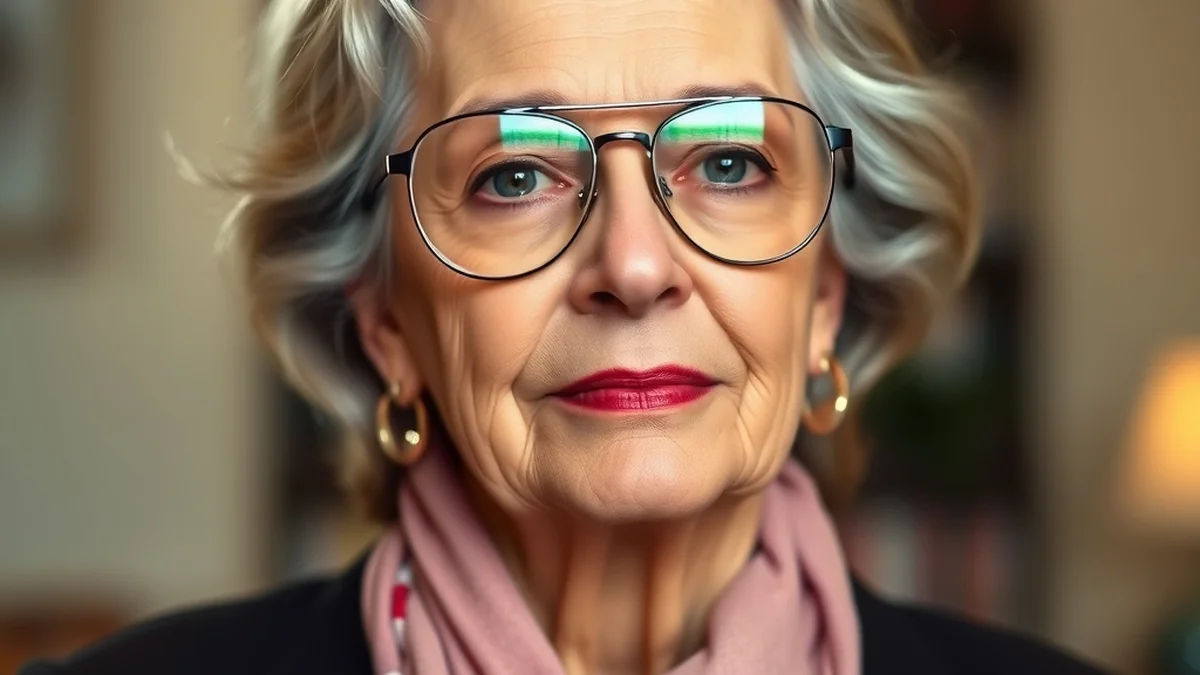
Gloria Steinem, the celebrated author, journalist, and activist who became the most visible symbol of the American women’s movement in the 1960s and 1970s, has died at the age of 92. Her death at her home in New York City was confirmed by a post on her social media page, which noted that she had been in declining health. Steinem, whose trademark aviator glasses and center-parted hair made her an instantly recognizable figure, remained a fierce and eloquent advocate for equality for six decades, continuing her global activism well into her 80s.
Her passing marks the end of a transformative era for American social movements. As a co-founder of Ms. Magazine, Steinem provided a national platform for feminist discourse, challenging the societal norms of her time and advocating for reproductive rights, equal pay, and political representation. While she faced significant opposition and ridicule throughout her career, her influence on the trajectory of modern feminism remains a defining feature of her legacy, with her work continuing to resonate across generations and international borders.
A Life Defined by Advocacy and Visibility
Steinem’s journey into activism was not a linear path but one forged through personal experience and professional frustration. Born in Toledo, Ohio, in 1934, she spent her early years traveling with her father, a traveling antique salesperson, before her parents' divorce left her to care for her mother. After attending Smith College, she sought a career in journalism, only to find that editors were largely uninterested in her political interests, instead relegating her to assignments on fashion and food. Her 1963 undercover exposé of the Playboy Club, while professionally significant, became a source of long-term frustration as she was frequently reduced to her appearance rather than her intellectual contributions.
Her pivot to full-time activism was catalyzed by a 1969 "speak-out" on abortion rights, an issue she felt deeply about having undergone a secret, illegal abortion at age 22. This experience solidified her conviction that bodily autonomy was a prerequisite for democracy. Despite a self-described "nightmare" fear of public speaking, she became a tireless orator, traveling to college campuses and rallies to articulate the necessity of viewing the world as a whole rather than divided by gender. Her ability to listen and make others feel seen was cited by friends and colleagues as her greatest gift, grounding her political work in genuine human connection.
The Evolution of Feminist Identity
Steinem’s legacy is often contrasted with that of other cultural icons, such as Dolly Parton, who died just eight days before her. While Steinem embraced the "feminist" label as a political necessity, Parton famously rejected it, preferring to demonstrate empowerment through her music and business acumen. Despite these differing public personas, both women were viewed as architects of a movement that encouraged women to make their own life choices. Steinem herself recognized this, famously naming Parton a Ms. Magazine Woman of the Year in 1987, arguing that the singer’s ability to locate her own power and help others do the same was the essence of feminism.
This nuanced approach to feminism was a hallmark of Steinem’s career. She consistently argued that the label itself was secondary to the core proposition that a woman should be defined by her own choices rather than her relationships to men. Even as the political landscape shifted and the coalition she helped build faced internal and external pressures—including the reversal of Roe v. Wade and the ongoing struggle for the Equal Rights Amendment—Steinem’s position remained steadfast. She maintained that the fight for equality was not merely a political struggle but a fundamental human right.
Confronting Hostility and Defining a Movement
Throughout her life, Steinem navigated intense hostility with a trademark wit that often disarmed her detractors. Whether facing dismissive male commentators who predicted the failure of Ms. Magazine or enduring personal attacks from political figures like Richard Nixon, she remained focused on the broader goal of systemic change. Her humor served as a defensive tool, once famously describing her singlehood by stating she could not "mate in captivity." This sharp wit was matched by a deep intellectual rigor that allowed her to articulate complex social issues to a wide audience.
Her visibility, however, often came at a cost. She frequently expressed frustration that her intellectual work was overshadowed by discussions of her physical appearance, a phenomenon she noted only intensified after she became a public feminist. Despite this, she never retreated from the public eye. Her final years were marked by continued collaboration, including a 2026 picture book aimed at inspiring young people, and a memoir completed shortly before her death. Her friend Abigail Disney noted that even in her final days, Steinem remained "just as funny and just as sharp" as she had ever been, with her activism remaining rooted in kindness.
A Legacy for Future Generations
As the world mourns her loss, the question of who will step into the space she occupied remains a subject of reflection. Steinem’s influence extended far beyond the United States, touching on issues ranging from genital mutilation to international reconciliation. Her life, documented in the 2020 feature film "The Glorias," serves as a testament to the power of persistent, principled advocacy. She lived to see the movement she helped ignite evolve into a global force, even as she acknowledged the work that remained unfinished.
Her passing has prompted tributes from across the political and social spectrum, though the response has been notably split along ideological lines. While supporters on the left have lauded her optimism and resilience in the face of persistent obstacles, some conservative voices have remained silent, reflecting the polarized nature of the current political climate. Nevertheless, Steinem’s impact on the vocabulary of modern feminism and her role in empowering women to define their own lives ensure that her influence will continue to be felt for decades to come.