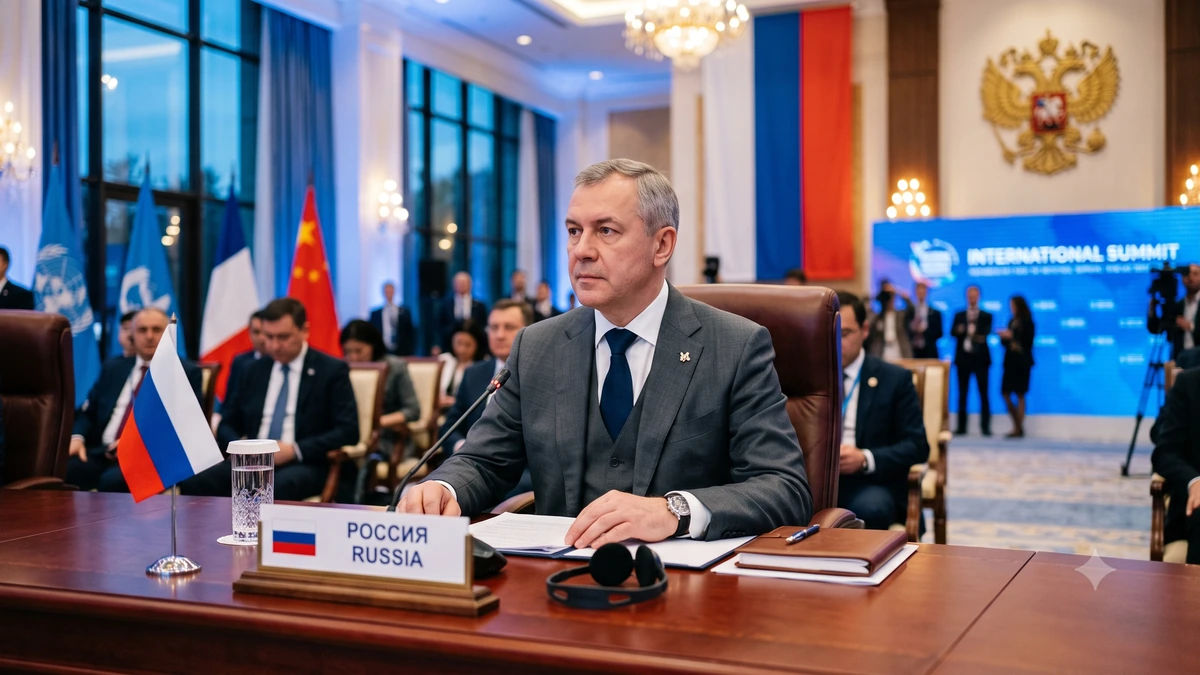
The 128 states party to the Convention on Certain Conventional Weapons reached a consensus agreement in Geneva on Saturday regarding a non-binding framework document intended to lay the groundwork for future international rules on autonomous weapons. The text represents a fragile milestone following more than a decade of protracted diplomatic friction over weapon systems capable of selecting and engaging targets with varying levels of autonomy, frequently referred to in public discourse as "killer robots."
Negotiations stretched late into the night at the Swiss venue as participating nations worked to bridge wide philosophical divides, running up against significant pushback from major military powers such as the United States and Russia. While civilian officials and diplomats pointed to the consensus as a vital diplomatic doorway toward eventual treaty negotiations, human rights advocates immediately sounded alarms over the final text's practical scope and legal potency.
Diplomatic Compromise Behind Closed Doors in Geneva
The breakthrough materialized after days of intensive diplomatic maneuvering among the 128 member states participating in the framework, which traditionally governs or bans weapon categories deemed indiscriminate or prone to inflicting superfluous injury. Negotiators worked through late-night sessions in Geneva to reconcile competing national priorities, ultimately securing a consensus document that avoids immediate legal prohibitions while establishing a common vocabulary for future talks.
The timing of the agreement coincides with an acute international escalation in public and diplomatic anxiety regarding the deployment of lethal autonomous weapon systems across active battlefields. Observers note that such technologies are increasingly visible in contemporary conflicts spanning Eastern Europe, Sudan, and the broader Middle East, imparting fresh urgency to multilateral discussions that have lingered for over ten years without a binding regulatory architecture.
Resistance from Washington and Moscow
The path to consensus was heavily constrained by the strategic preferences of key military powers, notably the United States and Russia, which consistently advocate for national guidelines over formal, legally binding international mandates. During the final drafting sessions, Washington pushed successfully for institutional flexibility within the non-binding document, explicitly seeking latitude regarding how human judgment is defined and exercised in operational military contexts.
This insistence on flexibility reflects broader geopolitical reluctance to accept constraints on emerging defense technologies that integrate artificial intelligence into targeting pipelines. Consequently, the resulting document serves as a foundational diplomatic baseline rather than an enforceable restraint, leaving substantial latitude for individual state interpretations as military technology continues to outpace international law.
Human Rights Groups Criticize Diluted Definitions
Civil society organizations monitoring the Geneva talks expressed profound disappointment with the final wording, arguing that compromises made in the closing hours effectively gutted the document's protective utility. Critics focused specifically on how the text defines autonomous weapon systems and the mechanisms designed to mitigate civilian casualties during active hostilities.
"It's a real shame that all the work done by states on the text over the past three years has been substantially diluted in the last hours," Nicole van Rooijen, executive director at Stop Killer Robots, told Reuters, highlighting the erosion of rigorous standards during the final bargaining phase.
Path Toward Formal Treaty Negotiations
Despite the friction and widespread criticism from advocacy sectors, diplomats involved in the Convention on Certain Conventional Weapons maintain that the non-binding consensus represents a critical stepping stone. The text provides an agreed-upon reference point that could facilitate structured transitions toward formal treaty negotiations if political will solidifies among resistant member states in subsequent diplomatic rounds.
Whether the Geneva document can successfully evolve into binding international law remains an open question, heavily dependent on future geopolitical realignments and the unfolding lessons of ongoing conflicts where autonomous systems are actively deployed. For now, the international community has established a fragile procedural foothold after a decade of stagnation, even as critics warn that the framework's current compromises risk legitimizing rather than curbing lethal technological proliferation.