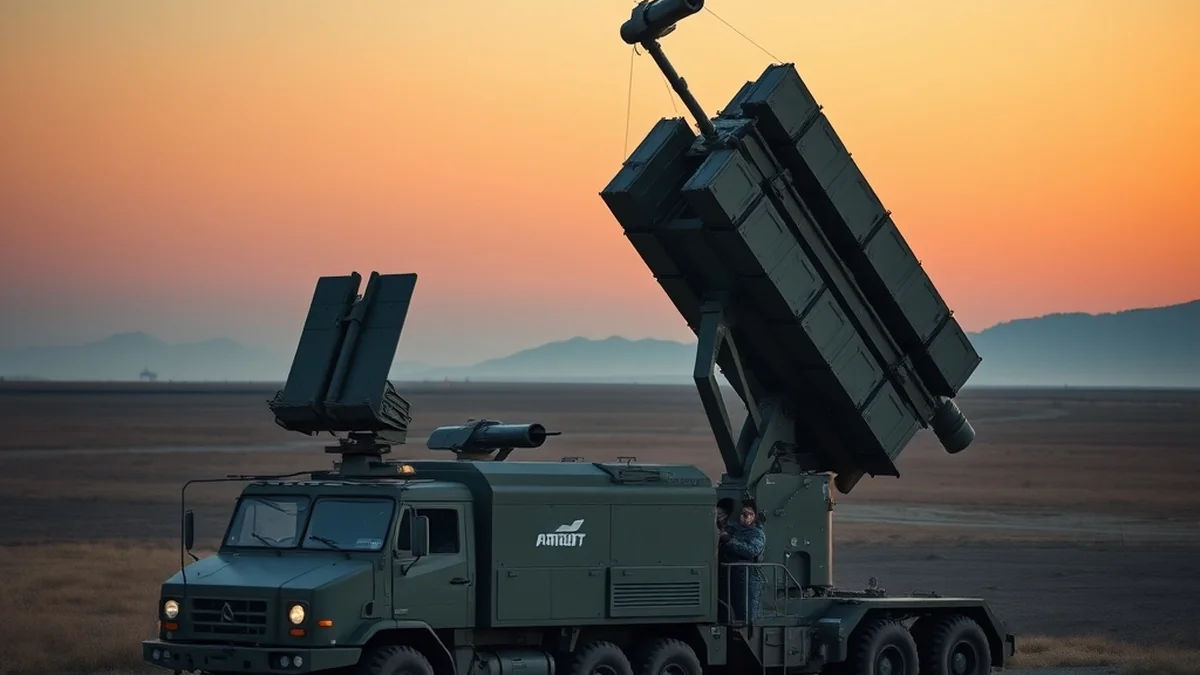
Germany will immediately transfer Patriot air defence missiles from its active military inventories to Ukraine, aiming to fortify Kyiv's defences ahead of an anticipated winter escalation in Russian attacks against civilian infrastructure. Speaking at a virtual meeting of the Ukraine Defence Contact Group on September 8, 2026, German Defence Minister Boris Pistorius confirmed the release of Patriot Advanced Capability-2 (PAC-2) interceptors from Bundeswehr stocks, appealing directly to international allies to draw down their own stockpiles to preserve Ukraine’s operational air shield.
The German pledge addresses an acute shortage of high-altitude defence interceptors in Ukraine, where military command warned that long-term procurement contracts cannot substitute for immediate operational munitions. With Russian forces launching renewed missile and drone strikes against power grids, energy networks, and port installations, Western defence leadership underscored that air defence replenishment has become the defining tactical priority for Kyiv's military survival entering the cold season.
German Stockpile Transfer and Winter Infrastructure Threat
Explaining the rationale for drawing directly from Bundeswehr stockpiles, Pistorius noted that Russia has adjusted its operational approach due to sluggish movement along the ground line of control. "Since Russia is only advancing very slowly at the front line, it is trying to destroy Ukraine's economic base and critical infrastructure by way of air raids on port installations, power plants, and other civilian targets," Pistorius stated. He warned that the intensity of these strikes is projected to rise significantly as seasonal temperatures drop. "Unfortunately, we can expect Russian air raids to increase again once temperatures drop, and then the damage will be even greater," he added.
Although Pistorius refrained from disclosing the exact quantity of PAC-2 interceptors slated for immediate delivery, he confirmed that Germany would concurrently expand shipments of air-to-air missiles, long-range artillery ammunition, and surveillance drones. Acknowledging the domestic defence trade-offs required by the transfer, Pistorius pressed fellow defence ministers to prioritize Ukraine’s immediate defence over national buffer reserves. "I am aware that it is not easy to strike a balance between one's own security requirements and urgently needed support to Ukraine," Pistorius acknowledged. "But please, if in doubt, decide in favour for Ukraine."
Ukraine's 1,000-Missile Procurement and Long-Term Delivery Gap
The announcement from Berlin coincided with details disclosed by Ukrainian Defence Minister Yevhenii Khmara regarding Kyiv's broader procurement strategy. Khmara confirmed that Ukraine is currently contracting to purchase approximately 1,000 Patriot interceptor missiles, financed through partner contributions and European Union loan structures. However, Khmara cautioned that manufacturing lead times mean the vast majority of these newly ordered weapons will not reach the front lines for years.
To bridge this critical operational window, Khmara asked allied nations to deliver interceptors directly from active military stocks today, offering to replace those stockpiles once contracted production cycles mature. "Just last night, the enemy has resorted to another mass air attack," Khmara told the conference. He emphasized that while new contracts guarantee long-term security, immediate transfers remain indispensable. Khmara also highlighted a $27 billion funding deficit specifically affecting Ukraine's domestic and international drone procurement programs.
Global Interceptor Shortages and US Inventory Pressures
The urgency surrounding Patriot transfers stems from their unique capability within Ukraine’s air defence architecture. US-designed Patriot systems represent the sole operational countermeasure in Kyiv's arsenal capable of reliably intercepting high-speed ballistic missiles flying on steep reentry trajectories. However, global availability has contracted sharply. The United States has significantly reduced its Patriot interceptor transfers to Ukraine in order to replenish its own military inventories, which were heavily depleted during recent military operations involving Iran.
As US supply lines tighten, European partners are attempting to fill the resource gap. Parallel to Germany’s missile commitment, the United Kingdom announced a £100 million military assistance package dedicated to providing air defence interceptors, large-caliber artillery ammunition, and specialized uncrewed aerial systems. NATO Secretary General Mark Rutte emphasized that European nations face no alternative but to increase military aid, pointing to escalating non-combatant casualties across Ukraine. "Nations must dig deeper. We do not have a choice," Rutte stated, noting that civilian casualties have surged to their highest levels since May 2022.
Intensified Air Strikes and Front-Line Dynamics
The defence ministers' meeting occurred alongside a fresh wave of Russian aerial bombardment across Ukrainian territory. Following a brief pause in strikes that coincided with a visit by United States peace negotiators, Russian forces launched a coordinated barrage of drones and missiles on September 8. Ukrainian officials reported that the strikes killed at least five people in Kyiv, while additional fatalities and damage to civil infrastructure were recorded in multiple outlying regions.
In his presentation to the contact group, Khmara outlined an updated defence strategy designed to counter Russian tactics along the 1,200-kilometer front line. He reported that while Russian ground forces have failed to achieve strategic breakthroughs on the battlefield, Moscow has turned to long-range weapon strikes against population centers to offset tactical stagnation. Rutte echoed the necessity of backing Ukraine's military strategy, stating that allies must enable Kyiv "to seize the opportunities it is creating now across all fronts and to defend itself in the skies."
Financial Frameworks and Upcoming Munitions Deliveries
To sustain Ukraine's multi-year air defence procurement, European institutions have finalized key funding mechanisms. Ahead of the Contact Group meeting, Rutte and European Commission President Ursula von der Leyen confirmed that EU member states agreed to utilize a portion of a €90-billion ($105 billion) EU loan package to fund Ukraine's long-term Patriot acquisitions. The loan framework will allow Kyiv to place binding orders with defence manufacturers while maintaining current defence operations.
Immediate next steps center on executing the transfer of German PAC-2 interceptors from Bundeswehr warehouses to active air defence batteries in Ukraine. Concurrently, UK defence authorities will begin delivering the £100 million air defence package. While these emergency transfers provide short-term coverage against impending winter air strikes, Ukrainian defence officials continue negotiations with international partners to address the remaining $27 billion financing gap required for uncrewed strike and reconnaissance systems.