
G7 Foreign Ministers Say China Actions East of Taiwan Threaten Regional Stability
Foreign ministers from the Group of Seven nations have issued a joint declaration warning that China's assertive maritime activities east of Taiwan threaten regional stability and international navigation. Consultations in Paris brought together diplomatic leaders including Britain's Foreign Secretary Ed Miliband, Germany's Foreign Minister Johann Wadephul, and Ukraine's Foreign Minister Andriy Sybiga alongside French Foreign Affairs officials. Published following the ministerial meetings, the communique marks the group's strongest unified diplomatic expression of concern regarding Chinese operations off the island's eastern coastline. The ministers reaffirmed their collective opposition to any unilateral attempts to alter the regional status quo through military force or coercive measures.
Maritime Maneuvers and Blockade Rehearsals
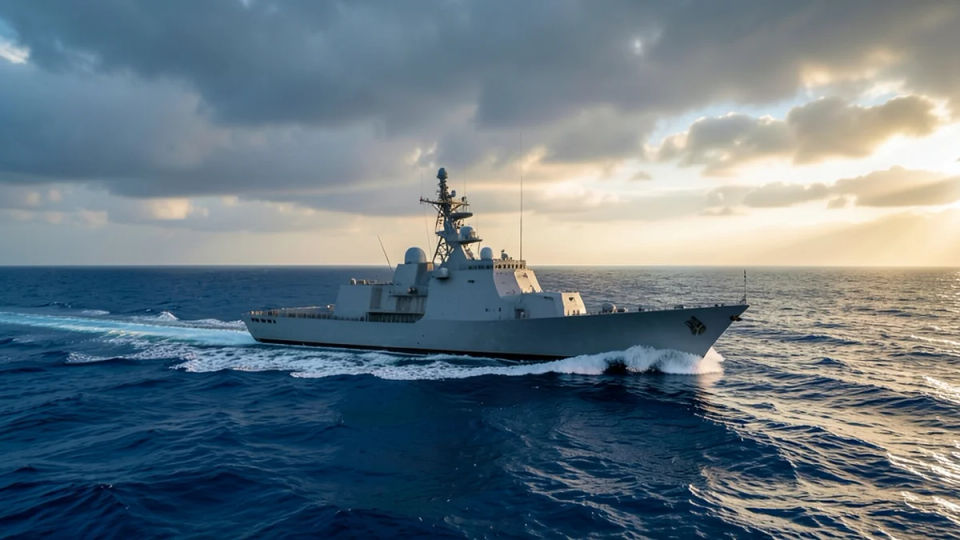
Chinese military and maritime authorities have expanded operations off eastern Taiwan since June, establishing regular coast guard patrols in adjacent waters. Security officials in Taipei stated they believe Beijing is rehearsing a coordinated maritime blockade utilizing overlapping naval, paramilitary, and civilian vessels. Taiwan Defence Minister Wellington Koo stated that Chinese forces are executing area denial maneuvers in the Western Pacific featuring an aircraft carrier and supporting naval strike groups. Taipei considers the oceanic corridors off its eastern coast critical for preserving international maritime resupply access with global partners during a potential military confrontation. The December 2025 "Justice Mission 2025" exercise simulated a blockade of Taiwan's port cities with 14 coast guard vessels and 18 warships, according to Model Diplomat. Taiwan's Coast Guard Administration is stretched across three fronts: Kinmen and Matsu in the west, Pratas in the south and the Pacific approaches to the east, according to Model Diplomat. Taiwan's east coast, around Suao and Hualien, is where its air force disperses F-16s into Chiashan's mountain hangars, where undersea cables land and where any allied resupply would arrive, according to Model Diplomat.
Beijing Dismissal and Sovereignty Claims
China's foreign ministry rejected the G7 declaration, asserting that the communique disregarded objective factual realities. Ministry officials in Beijing maintained that the multilateral statement crudely meddled in Chinese internal affairs while maliciously slandering the nation. Ministry spokesperson Mao Ning characterized the Group of Seven as an ideological clique clinging to Cold War mentality and bloc politics. Speaking in Beijing's Great Hall of People, Chinese President Xi Jinping stated that the peaceful reunification of Taiwan with the motherland remains inevitable. While Chinese authorities express a preference for peaceful reunification, Beijing has never renounced the use of military force to bring Taiwan under its control.
Taipei Stance and Indo-Pacific Security
Taiwan's presidential office welcomed the multilateral declaration, highlighting that enduring peace and stability across the Taiwan Strait remains essential for global prosperity. Presidential spokesperson Karen Kuo affirmed that Taiwan will continue strengthening domestic defense capabilities while expanding security cooperation with partner states. Following recent Chinese coast guard sweeps off the eastern seaboard, Taiwanese maritime authorities accused Beijing of harassing international shipping lanes and fabricating jurisdictional boundaries.