
Finland and Sweden Conduct First Joint Fighter Jet Interception of Russian Aircraft
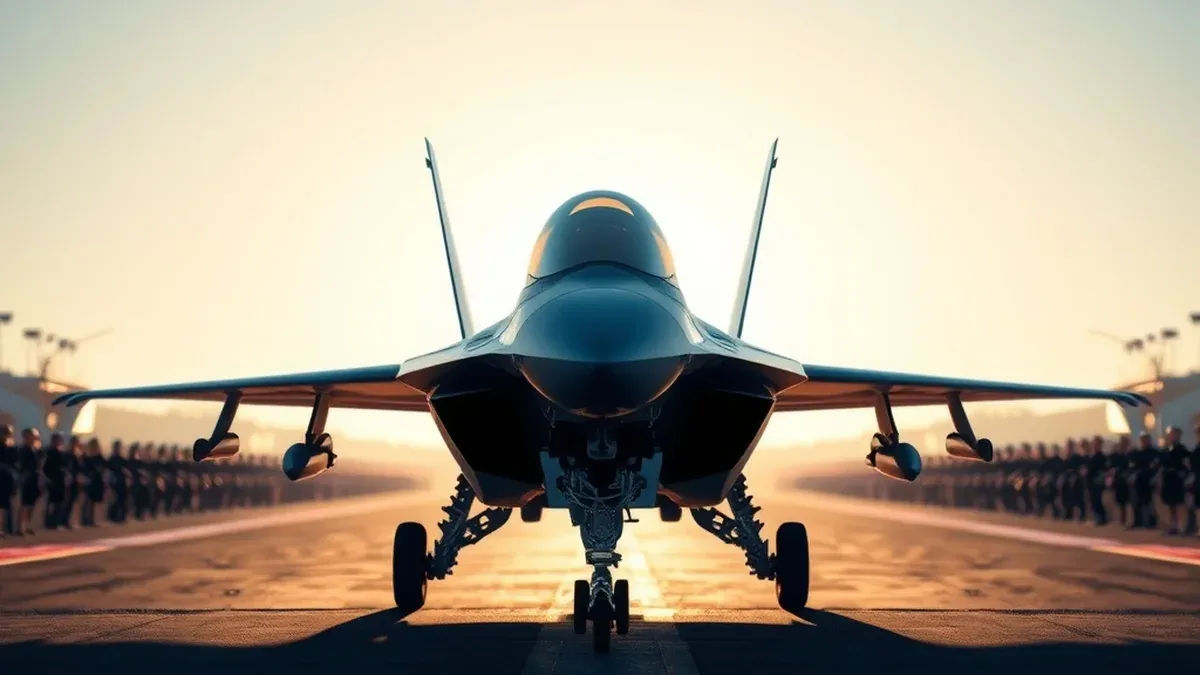
Finnish and Swedish air forces conducted their first joint operational mission to intercept and identify Russian military aircraft in international airspace over the Gulf of Finland on Thursday. The operation involved Quick Reaction Alert fighter jets from both nations, marking a significant milestone in the deepening defense integration between the two newest NATO members.
National Air Operations Centres coordinate closely with NATO's CAOC to ensure effective fighter control during QRA sorties. Throughout 2023, alliance air forces across Europe scrambled well over 300 times to intercept Russian military aircraft approaching Alliance airspace, primarily over the Baltic Sea.
The intercepted Russian group included a Tu-134 transport aircraft, designated by NATO as Crusty, alongside MiG-31 fighter jets, known as Foxhound, and Su-30 fighter jets, referred to as Flanker-H. The mission was coordinated by the Finnish Air Force's Air Operations Centre and utilized both Finnish F/A-18 Hornet and Swedish JAS 39 Gripen fighter jets.
Deepening Nordic Defense Integration
The joint mission highlights the practical application of the defense cooperation agreements established since both nations abandoned their longstanding policies of non-alignment to join NATO following the 2022 invasion of Ukraine. Colonel Vesa Mäntylä, Deputy Chief of Staff of Air Force Command Finland, noted that the cooperation launched this autumn allows for joint identification missions and permits Quick Reaction Alert aircraft to operate from air bases in either country.
Swedish Prime Minister Ulf Kristersson described the operation as a concrete expression of the trust and readiness built between the two nations. In a statement on social media, Kristersson emphasized that while the Baltic Sea region remains vulnerable due to ongoing security concerns, including past incidents involving gas pipeline outages and airspace violations, it is now better protected through enhanced Nordic and NATO cooperation.
Regional Security Context
The Baltic Sea region has remained on high alert for several years, with frequent reports of airspace violations, drone sightings, and infrastructure incidents. The integration of Finland and Sweden into NATO has significantly altered the security architecture of the region, aligning them with existing alliance members Norway, Iceland, Denmark, and the Baltic republics of Estonia, Latvia, and Lithuania.
Nordic air chiefs signed a declaration of intent establishing integrated command and control, operational planning, and increased cooperation on airspace surveillance within the NATO framework. Meanwhile, NATO's Allied Air Command recorded that forces across Europe scrambled more than 400 times in total during 2024.
Major General Jonas Wikman, Commander of the Swedish Air Force, stated that the seamless operation was the result of years of building trust and strong personal relationships between the two air forces. Russian embassies in Stockholm and Helsinki did not provide immediate comments regarding the interception. The mission remains a procedural milestone in the ongoing effort to standardize air policing and territorial surveillance across the Nordic-Baltic corridor.
Sources & Citations
The Indus Pulse is committed to accuracy and transparency.