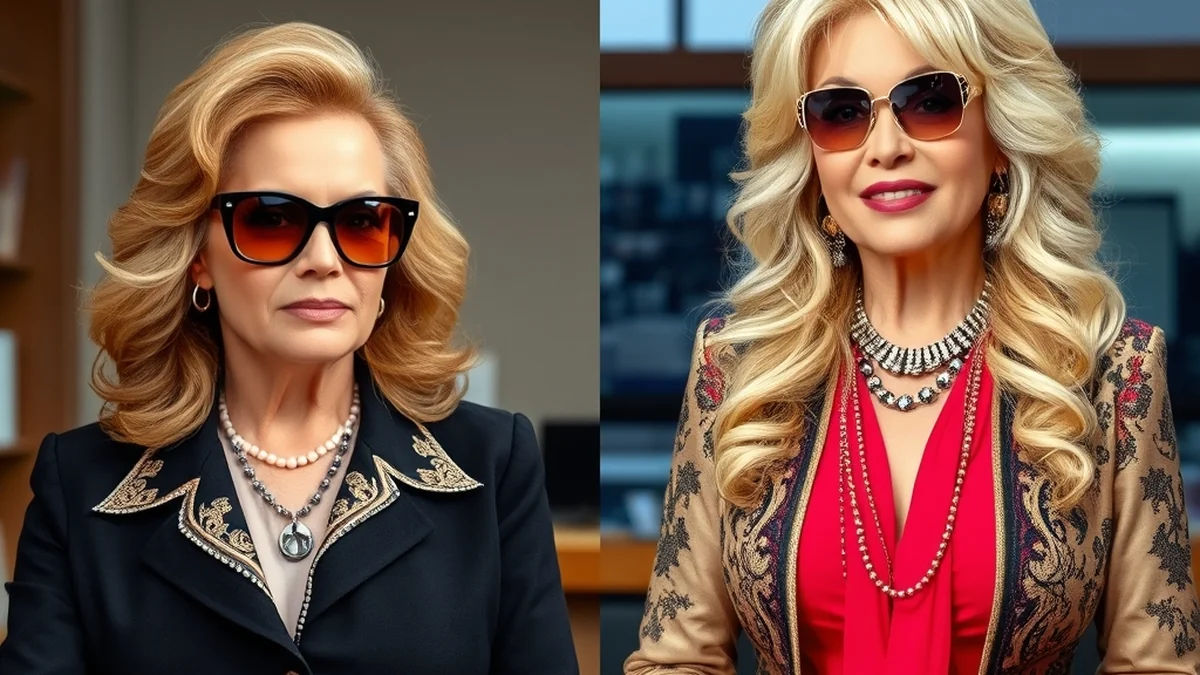
Gloria Steinem, the foundational voice of the American feminist movement and co-founder of Ms. Magazine, has died at the age of 92. Her passing, which occurred on September 3, 2026, follows the death of music and business icon Dolly Parton just eight days earlier. The loss of these two figures, who both profoundly shaped the cultural landscape of the 20th and 21st centuries, has triggered a widespread outpouring of grief that spans generations and continents, leaving many to contemplate the future of the movements they championed.
While Steinem and Parton operated in different spheres—one through overt political activism and the other through the medium of country music and business—both women were instrumental in expanding the boundaries of female autonomy. Their deaths have prompted a national conversation about the evolving definition of feminism and the diverse ways in which women have asserted their independence in the public eye. As the world mourns, the focus has shifted toward the legacies they leave behind and the question of who will emerge to fill the influential roles they occupied for decades.
The Architect of Modern Feminism
Gloria Steinem became the most visible symbol of the U.S. women’s movement during the 1960s and 1970s. Known for her signature streaked hair and aviator glasses, she was a tireless advocate who spent much of her life traveling to college campuses, rallies, and community centers to speak on feminist causes. Her work was explicitly political, rooted in the belief that women needed to organize to secure their rights and support one another.
Beyond her public speaking, Steinem’s impact was cemented through her role as a co-founder of Ms. Magazine, which provided a platform for feminist discourse that was previously absent from mainstream media. Her career was defined by a commitment to challenging the status quo, famously going undercover as a Playboy bunny to expose the realities of the industry from the inside. Her activism remained a constant throughout her life, even as the political landscape of the United States shifted significantly in the decades that followed.
The Quiet Power of Dolly Parton
In contrast to Steinem’s overt political activism, Dolly Parton navigated the world of influence through her music and business acumen. While she famously refused the label of "feminist," her life and career demonstrated the principles of self-determination and empowerment in practice. Parton was a shrewd businesswoman who turned her femininity into a source of both humor and leverage, consistently directing her earnings toward working women, poor communities, and her native Tennessee.
Parton’s refusal to adopt the feminist label was a deliberate choice, rooted in her desire to avoid political polarization. "I don't do politics. I have too many fans on both sides of the fence," she explained in a 2019 interview on the podcast Dolly Parton's America. Despite this, her songs frequently addressed complex issues such as teenage pregnancy, abortion, and equal pay. By choosing to remain outside the political fray, she maintained a broad appeal that allowed her to reach audiences that might have otherwise been alienated by more overtly political figures.
Divergent Paths to Empowerment
Though their methods differed, Steinem and Parton were united by a single proposition: that a woman should possess the self-knowledge required to make her own decisions. Steinem herself recognized this connection, writing in a 1987 essay for Ms. Magazine that if feminism meant locating one's own power and helping others do the same, Parton qualified on both counts. This perspective has been widely echoed in the wake of their deaths, with many observers noting that both women empowered their followers to reject the identities handed to them by society.
However, the reception of their deaths has highlighted the deep divisions within the current American political climate. Parton’s passing drew tributes from across the political spectrum, including from former President Donald Trump, who ordered flags to be flown at half-staff in her honor. In contrast, Steinem’s death received less acknowledgement from conservative circles, while being mourned deeply by those on the left who viewed her as a foundational figure in the fight for gender equality.
A Movement in Transition
The years leading up to their deaths have been challenging for the coalition Steinem helped build. The feminist movement has faced significant internal strain, exacerbated by intense debates over abortion policy, the 2016 election, and the rise of identity politics. Steinem lived to see the Supreme Court strike down the constitutional right to abortion, a development that many in her generation viewed as a foundational setback for the movement.
As the United States continues to grapple with these unresolved issues—including the lack of a ratified Equal Rights Amendment and the absence of a female president—the passing of these two icons marks the end of an era. The question of who will step into the space left by Steinem and Parton remains unanswered. Their lives serve as a testament to the different ways in which women can challenge patriarchal structures, whether through the direct, confrontational activism of a movement leader or the quiet, persistent defiance of a cultural icon.