The European Union has formally thrown its weight behind Washington's sweeping financial pressure campaign against Tehran, joining what United States Treasury Secretary Scott Bessent termed 'Operation Economic Outcast'. The alignment brings Western allies into a synchronized economic front aimed at completely severing Iran's access to the international financial system.
The announcement arrived as international finance ministers and central bank governors gathered for meetings in Asheville, North Carolina, marking a significant consolidation of Western economic strategy amid ongoing military hostilities across the Middle East. While Brussels endorsed the financial squeeze, it simultaneously emphasized that diplomatic channels must remain open to achieve a sustainable peace.
Formal Alignment with Washington
US Treasury Secretary Scott Bessent confirmed the development via a public statement, expressing appreciation for the bloc's early and decisive stance. 'The European Union has officially joined Operation Economic Outcast and we appreciate their strong and early stance,' Bessent stated on social media. He added that Washington stands firm with its allies to ensure that the Iranian government can no longer exploit global financial networks to fund its nuclear ambitions, ballistic missile programs, and regional proxy networks.
The initiative, initially unveiled by Washington in late August, targets multiple economic lifelines, including digital assets, advanced technology procurement, gold reserves, commercial aviation, and shipping networks. Bessent warned that nations and foreign financial institutions continuing to facilitate transactions with Tehran face secondary sanctions that could cut them off entirely from the dollar-based global financial network.
Brussels Weighs Pressure and Diplomacy
While European capitals have aligned with the United States on financial restrictions, the European Commission released a statement outlining a dual-track approach that balances economic pressure with renewed diplomatic engagement. The bloc noted that it has consistently urged Tehran to halt its destabilizing regional activities, cease military support for Russia's war in Ukraine, and end internal repression against domestic protestors.
At the same time, Brussels stressed that financial coercion alone will not resolve the underlying crisis. The European Union underscored that diplomacy remains indispensable for achieving a long-term peace settlement, restoring regional stability, and guaranteeing unhindered freedom of navigation through the vital Strait of Hormuz. European officials indicated readiness to deploy further measures if necessary to protect international security and maritime transit.
Regional Repercussions and South Korean Deliberations
The coordinated economic push coincides with growing security discussions among other key international partners. South Korea announced it is actively evaluating options, including potential military assistance, to support the US-led effort to reopen the Strait of Hormuz to commercial shipping following severe disruptions to global energy transit. Although local media reports previously suggested a formal troop deployment had already been decided, Seoul's presidential office clarified that final operational details remain under review.
the broader campaign has triggered sharp rebukes from Tehran. Iranian Foreign Ministry spokesperson Esmail Baghaei strongly condemned the European endorsement, accusing Brussels of surrendering its regulatory sovereignty to US coercion. Mohsen Rezai, secretary of Iran's Supreme National Security Council, previously warned regional neighbors that any state joining Washington's economic war would be treated as an adversary, even as Iranian officials publicly downplay the long-term domestic impact of the sanctions.
Enforcement and Maritime Standoff
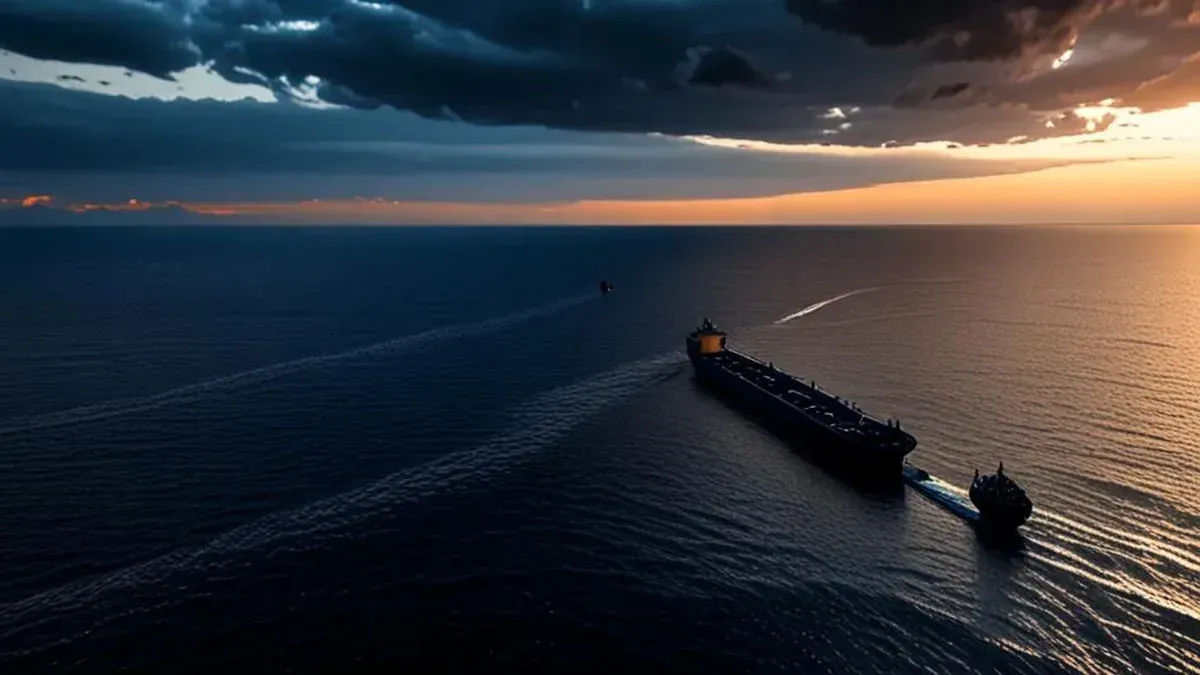
The financial restrictions run parallel to an intensified naval blockade enforced by US Central Command in the southern shipping lanes near the Omani coast. Authorities reported that dozens of commercial vessels have been redirected, boarded, or disabled to enforce compliance and prevent illicit crude oil exports. China, which previously absorbed a substantial share of Iran's petroleum shipments, remains a focal point for prospective secondary enforcement under the expanding sanctions framework.
As the diplomatic and financial isolation deepens, international monitors note that the convergence of EU sanctions with American measures places unprecedented strain on Iran's foreign trade networks. Whether the combined economic pressure will alter Tehran's strategic calculus or precipitate further retaliatory actions in the Gulf remains an open question for allied policymakers.