
Edited by Editor-in-Chief, The Indus Pulse 18 Sept 2026, 06:17 PM 3 min readworld
Early Voting Begins in U.S. Midterms Amid Cost-of-Living Crisis and Redistricting
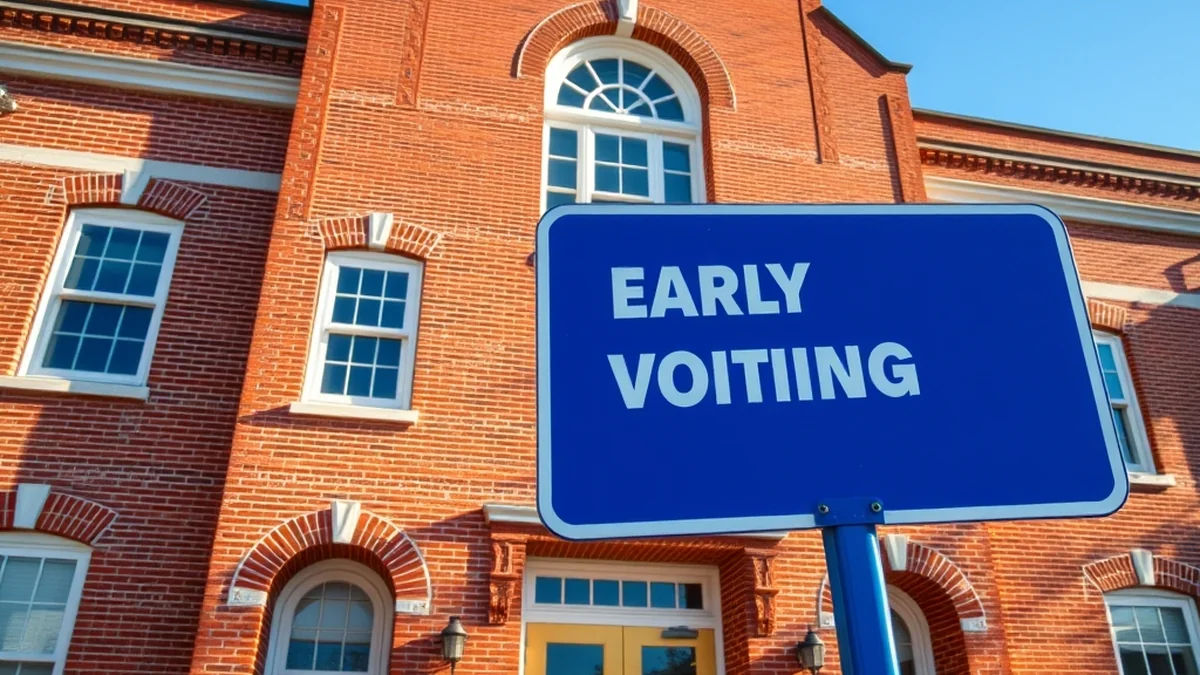
In-person voting for the 2026 United States midterm elections began on Friday, marking the opening of a six-week sprint for voters to determine control of Congress. The initial ballots opened in Virginia, alongside absentee and in-person voting options in a handful of other jurisdictions including Idaho, Minnesota, and South Dakota, ahead of the November 3 general election.
The elections will decide the balance of power in both the House of Representatives and the Senate, determining whether Republicans maintain their legislative majorities during the final two years of President Donald Trump's term. A Democratic takeover could fundamentally shift Washington oversight, likely initiating congressional investigations and constraining executive actions.
Economic Pressures and Electoral Landscape
The opening of voting arrives against a backdrop of voter anxiety driven by rising gas and grocery prices, a prolonged military conflict in Iran, immigration enforcement measures, and emerging policy challenges surrounding artificial intelligence. These overlapping domestic and foreign policy concerns form the primary context for millions of Americans heading to local election offices and voting centers.
Adding to the structural complexity of the midterms is an unprecedented wave of mid-decade redistricting that altered congressional boundaries across multiple states following prompts from the executive branch. Research data indicates that roughly 1 in 10 Americans reside in a different congressional district this fall compared to the 2024 elections, reshaping political dynamics ahead of the November contests.
Administrative Security and Federal Friction
Election administrators nationwide have emphasized their operational readiness and security protocols, urging the public to rely on established voting procedures. Minnesota Secretary of State Steve Simon addressed voters in a Thursday press briefing, encouraging participation without distraction from outside claims regarding operational integrity.
"I just want to reaffirm that Minnesota's elections are fundamentally free, fair, accurate, honest and secure," Simon told reporters.
Despite local assurances, friction persists surrounding federal oversight and voting procedures. President Trump has maintained pressure on election officials concerning voter roll management and has advanced claims regarding noncitizen voting, although independent studies show such occurrences are exceptionally rare. Legal disputes have also played out in federal courts, where the Supreme Court rejected an administration bid to restrict mail ballots earlier in the week.
Voter Preparation and Advocacy Response
Voting rights organizations and civic groups have pivoted outreach efforts toward early participation, advising voters to utilize mail-in and in-person options to mitigate potential delays on Election Day. Advocacy networks point to operational adjustments within the U.S. Postal Service as a key variable for mail ballot postmarks.
"Voting early, whether in person or by mail, is good for all of our communities because it gives voters options, eases lines on Election Day and can even mean faster results," said Hannah Fried, co-founder and CEO of the voting rights group All Voting Is Local.
With expansive early voting slated to roll out across additional states in the coming weeks, election administration experts note that public confidence will depend heavily on local officials resisting misinformation campaigns. David Becker, executive director of the Center for Election Innovation and Research, noted that while political attacks on election processes are expected to continue, administrative systems remain structurally resilient.
The Indus Pulse is committed to accuracy and transparency.