
Democrats Set to Block Trump's $1.5 Trillion Defense Budget
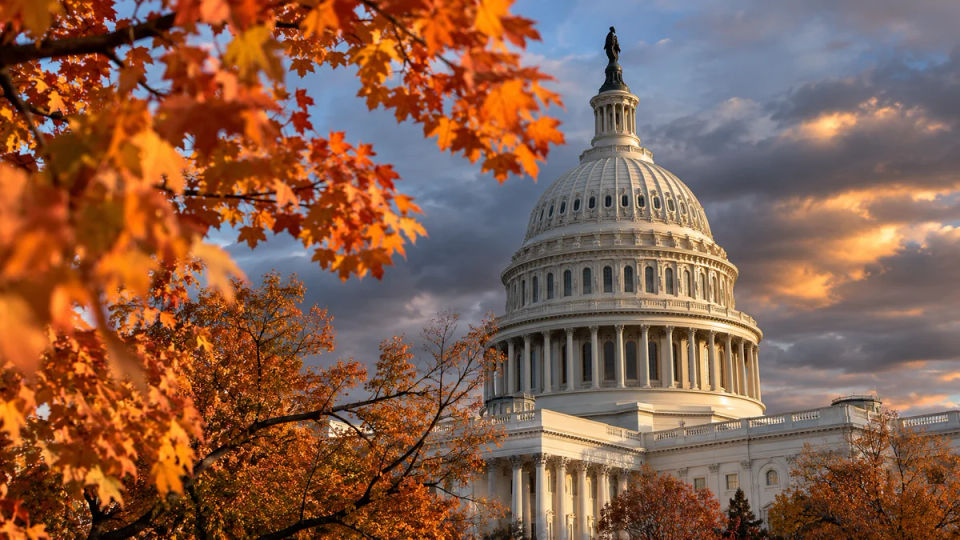
United States President Donald Trump's record US$1.5 trillion national defense budget request faces legislative obstruction following Democratic victories in the midterm elections. Having secured majorities across both chambers of Congress on November 3, Democratic leaders indicated they will vote down the record military spending proposal. Democratic lawmakers argue that the proposed allocation represents an unjustified 44% surge over previous fiscal spending while cutting essential domestic initiatives. The budgetary impasse directly threatens high-profile Pentagon modernization projects, including the Golden Dome missile shield and planned Trump-class naval battleships. Congressional leaders face an impending December 11 government funding deadline, leaving the annual National Defense Authorization Act suspended in political limbo.
Midterm Power Shift and Democratic Opposition to Military Surge
Opposition politicians criticize the spending blueprint for expanding overseas military entanglements amidst widespread domestic discontent over Middle Eastern conflicts. Democratic strategists are instead pushing for shorter-term stopgap continuing resolutions alongside targeted reductions in active combat deployment expenditures. The political gridlock has introduced volatility across financial markets, triggering noticeable stock price contractions for major aerospace and defense contractors. Wall Street analysts note that equity valuations for prime defense manufacturers experienced downward pressure as investors reassess future procurement appropriations. Industry executives express concern that prolonged budget delays will disrupt multi-year defense production schedules and supply chain planning.
Strategic Weapons Programs and Domestic Spending Parity
Under the administration's blueprint, the expanded funding intended to accelerate advanced hypersonic weapons research and naval shipbuilding capacity. Proponents within the administration maintain that elevated spending levels remain imperative to deter expanding geopolitical challenges in the Indo-Pacific. However, congressional fiscal committees maintain that national debt trajectory constraints prohibit debt-financed expansions in baseline defense outlays. House Democratic leaders reiterated that domestic infrastructure, healthcare, and education funding must maintain parity with national security investments. Budget analysts anticipate that the White House may eventually need to accept compromise top-line figures significantly below the requested headline total. House Armed Services Committee Ranking Member Adam Smith stated that in addition to the $1.15 trillion base defense budget, the administration pushed a $350 billion reconciliation package, which Democrats oppose to protect domestic spending, according to House Committee on Armed Services Democrats.
December Funding Deadlines and Lame-Duck Fiscal Maneuvering
The standoff unfolds as the lame-duck congressional session convenes to navigate competing appropriations priorities before newly elected majorities assume control. Failure to pass formal defense appropriations prior to the December deadline would force reliance on stopgap spending caps restricting new procurement starts. Pentagon leadership warned that operating under continuing resolutions limits strategic flexibility during acute overseas crises. Committee negotiators continue holding closed-door consultations attempting to identify bipartisan compromise language on key military provisions. The unfolding fiscal confrontation will establish the legislative tone between the executive branch and the newly empowered congressional leadership.
Background
On July 14, 2026, a Senate cloture vote on the FY 2027 NDAA failed 50-46 after Democrats blocked floor consideration over opposition to the Iran war and the size of the defense topline relative to nondefense cuts, according to Center for Strategic and International Studies.
Golden Dome's space-based interceptor component is a likely target for Democratic opposition, with the Pentagon initially selecting a dozen companies to work on SBIs, according to Forecast International.
Then-Navy Secretary John Phelan stated that shipbuilders and their suppliers must hire about 250,000 skilled workers over the next decade, while the Navy reckons the submarine industrial base alone needs more than 140,000 people over the same span, according to Eagle Intel Reports.