
China Offers Trade Talks After India Flags $105 Billion Deficit
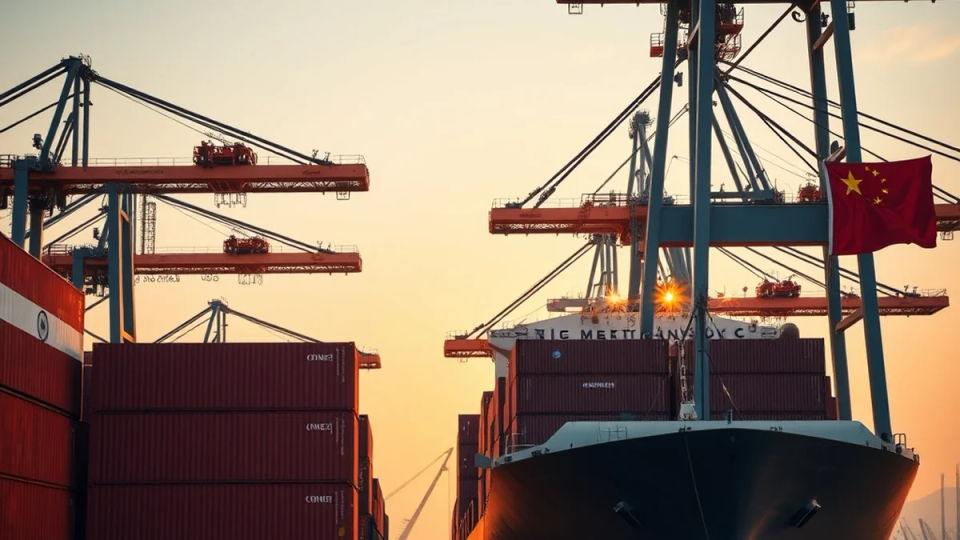
China stated it remains prepared to collaborate with India to resolve bilateral economic concerns following sharp criticism from Indian Finance Minister Nirmala Sitharaman over persistent trade imbalances. Addressing international media in Beijing, Chinese Foreign Ministry spokesperson Mao Ning maintained that Beijing does not deliberately pursue unilateral trade surpluses against global partners. The diplomatic response follows newly released customs data revealing India's bilateral trade deficit with China surpassed 105 billion dollars across the first nine months of 2026. Bilateral trade tensions have intensified as non-tariff restrictions continue constraining Indian agricultural and pharmaceutical exports entering Chinese consumer markets.
Chinese Foreign Ministry spokesperson Mao Ning stated that specific technical questions regarding bilateral trade barriers would be referred to China's competent economic authorities for balanced dialogue.
Diplomatic Exchange and Trade Deficit Escalation
The official Chinese reaction came after Finance Minister Sitharaman addressed trade friction during an Atlantic Council forum organized on the sidelines of global financial meetings in Bangkok. Nine-month customs trade figures published by China Customs confirmed that India's trade deficit expanded to 105.93 billion dollars, representing a 20.7 percent surge over year-ago levels. Total bilateral commercial merchandise trade between the two Asian economies reached 144.45 billion dollars, reflecting an annualized expansion of 25.4 percent.
Non-Tariff Barriers and Export Market Access
Finance Minister Sitharaman explicitly identified non-tariff regulatory barriers as the primary structural impediment dampening Indian commerce with China. She noted that New Delhi has persistently sought commercial access for Indian generic pharmaceutical drugs, bovine meat, fresh vegetables, and perishable produce without substantial headway. Indian trade negotiators pointed out that Chinese regulators frequently implement complex sanitary and phytosanitary barriers rather than engaging in technical dispute resolution. Sitharaman affirmed that India has resisted imposing punitive protective import tariffs, opting instead to resolve structural merchandise imbalances through prolonged bilateral negotiations.
Sources & Citations
- The Hindu
- Ministry of Foreign Affairs of the People's Republic of ChinaPrimary / official
- The Times of India
- The Statesman
- BRICSPrimary / official