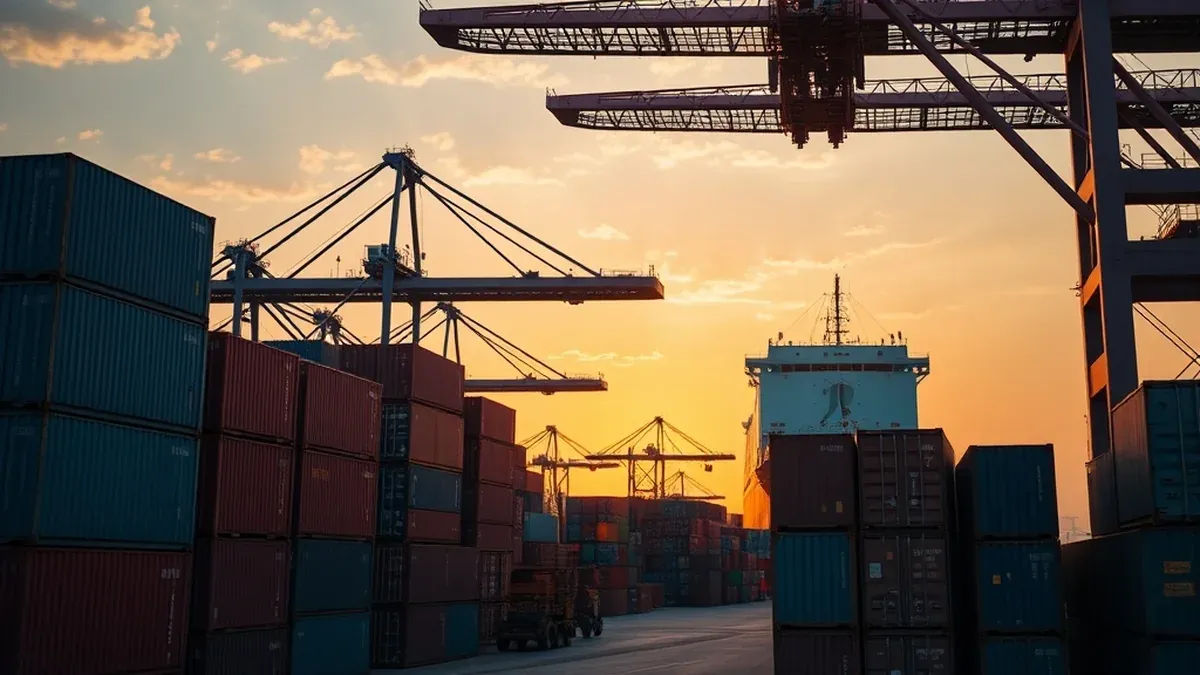
Canada’s retaliatory tariffs on nearly C$28bn ($20bn) worth of American products took effect on Tuesday, marking a sharp escalation in an 18-month trade war with the United States. The counter-tariffs, which range from 15% to 50% across hundreds of items including steel, furniture, and household appliances, arrived with no renewed trade talks on the horizon after negotiations collapsed in late August.
The retaliatory measures follow months of mounting economic friction between the neighbouring nations, triggered initially when US President Donald Trump imposed steep taxes on Canadian automobiles, lumber, and aluminum, followed by additional levies on dairy and consumer goods. While Canadian Prime Minister Mark Carney’s government has emphasized its readiness to secure a durable trade agreement, both sides have traded blame for the breakdown in diplomatic communication.
Dollar-for-Dollar Retaliation Targets US Exports
The newly implemented Canadian tariffs cover a wide swath of American industrial and consumer goods, hitting states with substantial export volumes such as Ohio, Illinois, and Pennsylvania. The measures were designed to match Washington's tariffs dollar for dollar, though Ottawa elected to carve out fresh fish and lobster after facing immediate pushback from its domestic seafood industry.
The seafood exemption highlights the delicate balancing act facing Canadian officials as they retaliate against their largest trading partner. The Canadian Chamber of Commerce has cautioned that while businesses understand the need for government leverage, industries are bracing for an extended dispute that could trigger an escalatory spiral.
Breakdown in Bilateral Negotiations
Bilateral discussions between Ottawa and Washington collapsed in late August after failing to meet deadlines set by the White House. US Trade Representative Jamieson Greer stated that the ball remains in Canada's court, noting that communication between the two governments has been sparse since talks broke down.
Prime Minister Carney maintained last week that Canada remains prepared to resume negotiations whenever Washington is ready to secure an agreement that serves the best interests of both nations. However, government sources confirmed that no active talks are currently taking place between ministers or officials from either country.
Pressures on the North American Trade Framework
The ongoing economic hostilities have cast deep uncertainty over the future of the United States-Mexico-Canada Agreement, commonly referred to as the USMCA or CUSMA. Because Canada's latest counter-tariffs are executed under older legislative authorities, domestic exporters lose key duty-free exemptions normally protected under the modern pact.
Compounding the diplomatic friction, President Trump threatened to block Canadian aircraft manufacturer Bombardier from selling its commercial planes in the United States unless the company shifts its manufacturing operations south. Bombardier remains a cornerstone of Canada's industrial base, contributing over C$7bn to the national GDP in 2024 according to external accounting data.
Economic Fallout and Domestic Domestic Public Opinion
While Canada’s economy showed resilience earlier in the year—registering 3.3% GDP growth in the second quarter—the trade conflict has begun to exact a toll on the domestic labor market. Statistics show the country shed approximately 41,000 jobs in August, coinciding directly with the imposition of new American tariffs and the suspension of trade dialogue.
Polls indicate that a majority of Canadians currently support the government's retaliatory posture, though analysts warn that public backing could erode as rising import prices affect everyday consumers. Meanwhile, studies from economic institutions suggest that American consumers and importers ultimately absorb the vast majority of tariff burdens on cross-border retail goods.
Diversification Efforts and Next Steps
In response to the prolonged trade standoff, Prime Minister Carney's administration has aggressively pursued trade diversification strategies to reduce reliance on the US market. Recent data shows that the share of Canadian exports bound for the United States dropped to 66%, down from a historical average of 75% before the trade hostilities intensified.
To cushion the blow for domestic enterprises, the Canadian government announced a C$5.42bn support package aimed at small and medium-sized businesses and workers affected by the tariffs. Both governments now face an extended period of adjustment as businesses on both sides of the border adapt to a commercial environment largely devoid of cooperative trade channels.