
Brazil's Lula Bans Online Gambling Days Before Presidential Election
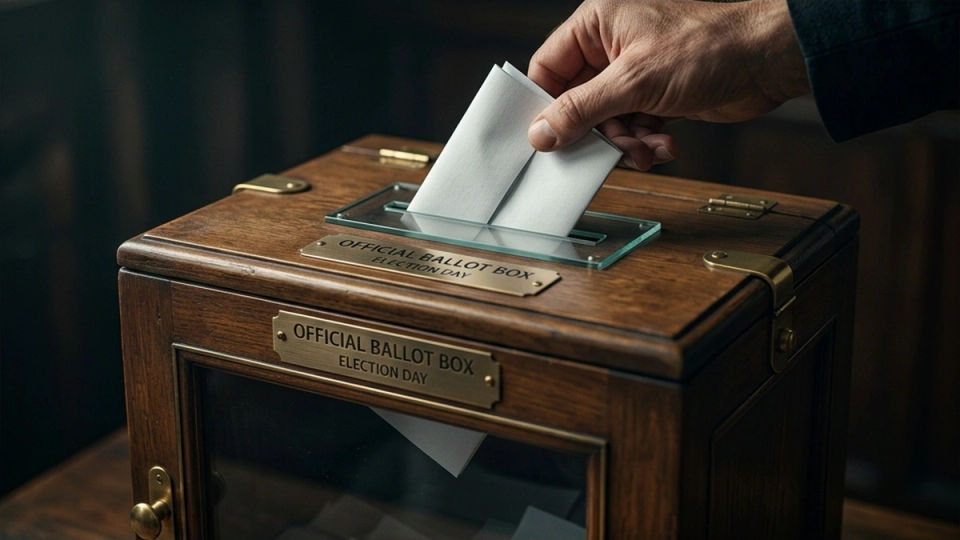
Brazilian President Luiz Inácio Lula da Silva signed a provisional executive order on Friday prohibiting all sports betting and online casinos across the country. The sweeping regulatory action arrives just over a week before the first round of voting in a tightly contested presidential election where the 80-year-old incumbent is running for a fourth term against Senator Flávio Bolsonaro.
Lula defended the drastic intervention by describing the online betting sector as a cancer that requires immediate excision to protect working-class households. The decree halts all operations, offers, intermediation, and advertising of fixed-odds betting platforms, prohibits new account deposits, and establishes an October 5 deadline for users to withdraw remaining funds.
Legislative Hurdles and Legal Mechanics
The provisional order takes effect immediately, but under Brazilian law, it requires formal congressional approval within 120 days to remain permanently in force. Lawmakers previously clashed with the administration when members of the opposition Liberal Party, associated with the Bolsonaro family, successfully struck down a proposed tax hike on online betting and virtual casinos in October 2025.
Alongside the betting ban, Lula's government drafted a separate bill designed to establish criminal offenses related to fixed-odds betting. This penal framework targets promotional infractions and the unauthorized use of personal consumer data to solicit wagers. The administration previously blocked more than 2,000 irregular online betting websites in a prior regulatory push, citing links to prominent criminal syndicates.
Economic Strain and Public Health Concerns
The explosive growth of internet gambling since its legalization in 2018 has coincided with severe household financial distress. Central bank figures indicate that Brazilian consumers spend approximately 30 billion reais, or roughly $5.7 billion, on bets each month. Household debt service excluding mortgages climbed to a record 26.6 percent of income by June, driven by high interest rates and aggressive fintech credit availability.
A 2025 study by the Institute of Studies for Health Policies estimated that gambling and betting cost Brazilian society 38.8 billion reais, equivalent to $7 billion, annually while contributing to rising rates of depression and suicide. Public opinion surveys indicate that roughly 59.9 percent of Brazilian adults support a total ban on internet betting.
Nine Brazilian football clubs defended the regulated betting framework through joint statements, cautioned that prohibitions or stricter controls could risk team insolvencies and growth in unauthorized gambling, and faced potential collective losses around one billion reais in sponsorship revenue if bans are enacted.
Political Fallout and Campaign Reactions
The timing of the decree drew swift condemnation from political opponents. Senator Flávio Bolsonaro denounced the ban during a campaign rally in Rio de Janeiro as populist, hypocritical, and politically motivated. The election race has been fiercely fought over cost-of-living pressures, with opposition figures capitalizing on cumulative food inflation and household budget constraints.
Lula countered criticism by pointing out that while online betting was established under former President Michel Temer, the industry expanded completely unchecked during Jair Bolsonaro's administration. He emphasized that platforms maintained zero restrictions preventing minors and adolescents from wagering family income. As the October election approaches, the political debate centers on whether the ban will alleviate household debt or serve as a polarizing campaign maneuver.