
Brazilian Electoral Court Fines Meta Over Campaign Content Parity
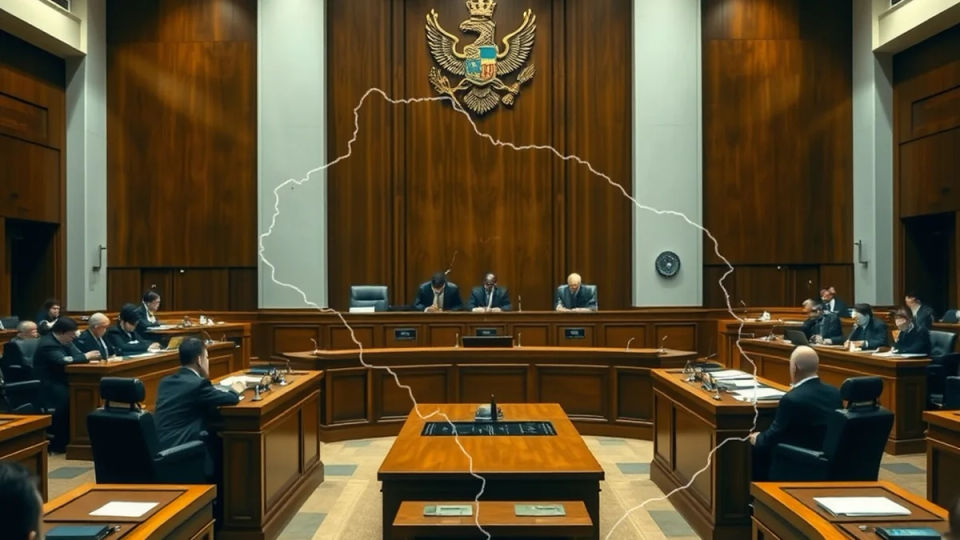
Superior Electoral Court Doubles Noncompliance Fines for Meta
Brazil's Superior Electoral Court ordered United States technology giant Meta to prove that political content feeds treat presidential candidates equitably. The electoral magistrate issued a strict twenty-four-hour ultimatum demanding verifiable evidence of impartial algorithmic distribution. Judicial authorities doubled daily noncompliance penalties to one million Brazilian reals, representing approximately two hundred thousand dollars per day. A judicial order issued by the court observed that previous financial sanctions had failed to secure corporate compliance. The heightened financial sanctions follow an earlier preliminary directive instructing the digital conglomerate to maintain identical operating rules across all campaigns.
The Superior Electoral Court ordered Meta to present individualized compliance documents written in Portuguese distinguishing judicial mandates from company-initiated policies.
On October 15, 2026, the Superior Electoral Court issued an initial directive ordering Meta to resolve generative AI image disparities between the candidates.
Allegations of Political Content Suppression in Run-Off Election
The urgent judicial ruling arrives less than one week before Brazilian voters cast ballots in a highly polarized presidential runoff. Left-wing incumbent Luiz Inacio Lula da Silva faces conservative senator Flavio Bolsonaro in the decisive national vote. Representatives for the incumbent president formally alleged that Meta deliberately restricted digital visibility to bolster opposition campaigning. Lula's legal team claimed that algorithmic promotion tools on Instagram were improperly suppressed for official campaign messaging. Campaign strategists argued that similar search restrictions and promotional limitations were never applied to Flavio Bolsonaro's digital accounts. Earlier this month, Lula's campaign launched a dedicated website to document complaints from supporters about unfair online restrictions. Content bias across major networking applications has remained an intense point of contention across Brazil's political spectrum. Nonprofit digital rights groups including CTRL+Z released monitoring reports indicating that platform algorithms may have amplified Bolsonaro's online reach. Civil advocacy leaders published public statements arguing that private multinational tech platforms cannot act as arbitrary arbiters of democratic elections.
Technical Discrepancies and Artificial Intelligence Tool Complaints
Meta corporate spokespersons rejected claims of political favoritism, attributing promotional disruptions to broader technical malfunctions. Company representatives previously acknowledged that select campaign advertisements were erroneously deactivated due to automated platform glitches. In addition to feed visibility disputes, Lula's campaign identified significant inconsistencies regarding automated responses generated by WhatsApp artificial intelligence features. Campaign monitors stated that generative artificial intelligence queries regarding Lula were restricted while equivalent inquiries for his opponent functioned without barrier.
Judicial Enforcement and Upcoming Presidential Ballot Deadlines
The electoral court determined that Meta failed to present verifiable proof of operational compliance with initial judicial orders. The ruling emphasized that ongoing noncompliance days before a national ballot jeopardized equitable campaigning standards. Electoral authorities reiterated that algorithmic neutrality must be rigorously demonstrated across Facebook, Instagram, and WhatsApp. The technology conglomerate must submit comprehensive platform metrics within the mandated timeline or face escalating financial enforcement.