
Banco Master Scandal Shakes Brazil Presidential Race as Incumbent and Challenger Face Voter Disillusionment
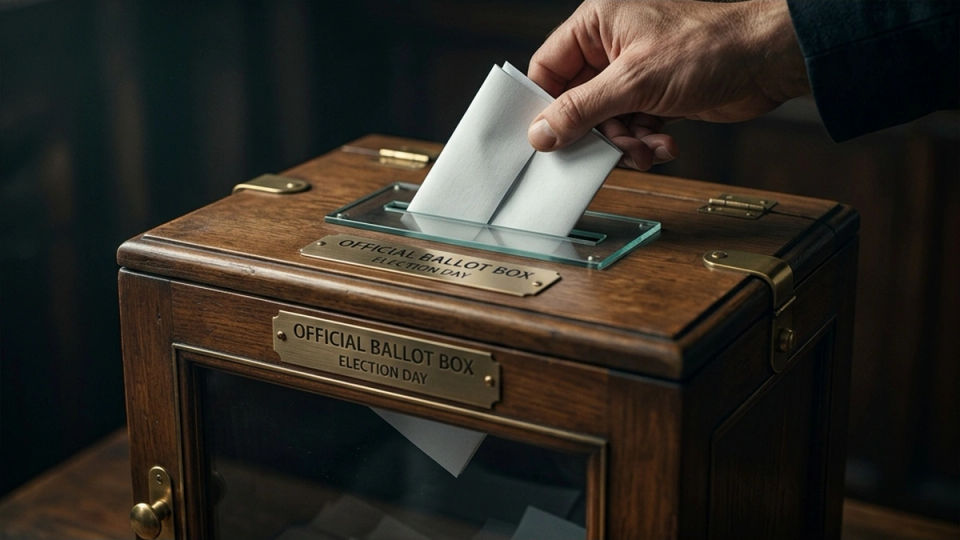
Brazil's presidential election enters its final stretch with a tight first-round vote on Sunday, as incumbent President Luiz Inacio Lula da Silva and far-right challenger Flavio Bolsonaro confront unprecedented voter backlash fueled by the sprawling Banco Master financial scandal. The collapse of the mid-sized lender, liquidated by Brazil's central bank in 2025 after aggressive high-yield deposit certificate schemes collapsed, triggered a record $7.7bn payout from the Credit Guarantee Fund. Investigators allege that bank owner Daniel Vorcaro cultivated elite political influence to shield fraudulent operations, leaving both major political camps grappling with high voter rejection rates.
While centre-left incumbent Lula leads the polls in his bid for a fourth term, data from the polling institute Datafolha shows that 34 percent of respondents associate the Banco Master scandal more with left-wing politicians, compared to 27 percent who link it to right-wing figures. Political scientists note that media coverage has generated a false equivalency, shielding challenger Flavio Bolsonaro despite Supreme Court documents unsealing corruption and money laundering investigations against him regarding Vorcaro. Bolsonaro has also faced scrutiny over audio recordings discussing financing for a film about his imprisoned father, former President Jair Bolsonaro, though he has denied any wrongdoing.
Institutional Backlogs and Congressional Power
Beyond electoral scandals, Brazil's next president will inherit an administrative backlog across major state institutions. A predominantly right-wing Congress has increasingly leveraged confirmation hearings, delaying appointments to the Supreme Court, central bank board seats, and economic regulators such as the CVM antitrust watchdog. Analysts point out that congressional earmarks have expanded significantly, shifting legislative leverage away from the executive branch and complicating governance.
At the central bank, key economic policy posts have remained vacant for record periods, while Supreme Court nominations have faced historic legislative blocks. Observers warn that whoever wins Sunday's vote will face severe institutional constraints in shaping monetary and regulatory policy.
Run-Off Uncertainties and Third-Party Influence
With neither Lula nor Bolsonaro expected to clear the 50 percent threshold needed to avoid an October 25 run-off, minor candidates polling at slightly above 10 percent emerge as crucial kingmakers. Analysts suggest that right-leaning voters backing alternative candidates may not automatically coalesce around Flavio Bolsonaro, reflecting deep disillusionment with the political establishment and setting up a volatile final phase for Latin America's largest democracy.
Separating an investigation from an election narrative
A banking scandal may become a campaign issue, but questions of criminal responsibility, financial supervision and electoral popularity require separate evidence. Allegations against bank executives or politicians should be attributed to investigators or named sources, with denials and judicial status reported fairly. Poll shifts may reflect many causes, so a scandal cannot be credited with changing the race without suitable survey evidence. For depositors and investors, the tangible concerns are exposure, regulatory action and whether any guarantees apply; for voters, the next evidence comes from verified campaign statements and court or regulator records.