
TP-Link Plans US Router Assembly in Mississippi Pending FCC Waiver
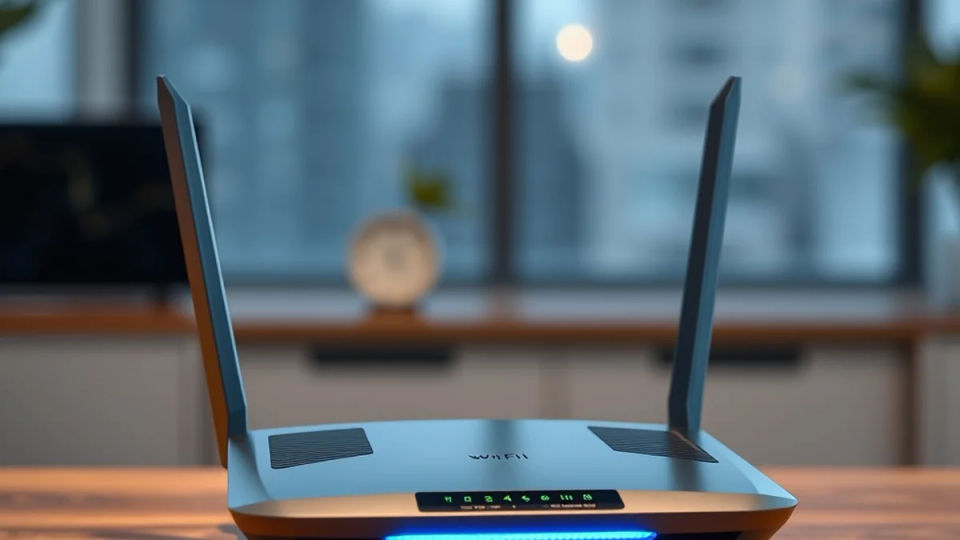
Commercial Dilemma and Federal Trade Restrictions on Wi-Fi Hardware
Navigating heightened American regulatory barriers, TP-Link, one of the world's leading manufacturers of consumer Wi-Fi routers, is reevaluating North American operations. Corporate planners find themselves in a precarious position in the US. Deployment remains obstructed as the vendor cannot import routers, but can't bring them here because of President Donald Trump's trade policies. Industry observers noted disparate regulatory treatment Even though competitors Netgear and Asus make their routers in Asia, they've received authorizations. To satisfy federal industrial targets, The Chinese company has signed a letter of intent (LOI) with manufacturing partners.
Proposed Corinth Assembly Hub and Mississippi Manufacturing Commitments
Under the framework agreement, technicians will begin "domestic assembly" of its Wi-Fi 8 routers in Corinth, Mississippi. Production roadmaps indicate local assembly lines could begin producing routers "as early as next year for regional customers. Investment filings submitted to federal authorities outline creating "hundreds of high-paying research and development, manufacturing, and technical roles. Executive leadership affirmed the strategy as TP-Link CEO Jeffrey Chao said, "This LOI with Key Tronic represents a pivotal pivot. Partner executives corroborated the rollout as Key Tronic CEO Brett Larsen explained, "Our production footprint will enable rapid scale.
Key Tronic will support assembly in Corinth, Mississippi, with domestic assembly of Wi-Fi 8 products scheduled to begin as early as next year pending regulatory approval.
Industrial Tooling Scope and Advanced Surface-Mount Capabilities
Outlining operational ambitions, corporate representatives noted If you look at what we do with the products in Vietnam, high automation standards apply. Corporate affairs officer Steve Kovsky noted facilities have got raw components coming in and you've got completed, tested, shrink-wrapped inventory. Advanced fabrication lines require You've got surface-mount technology, many layers of testing quality control, alongside automated assembly. Specialized equipment plans encompass doing plastic injection molding, and as far as I know that is planned for Mississippi. Federal industrial guidelines present steep targets as Washington wants Made-in-USA products where at least 65 percent of their domestic components qualify.
Regulatory FCC Approvals and Scrutiny Over Geopolitical Ties
Despite factory announcements, Kovksy confirms the offer hinges on the FCC granting that router regulatory clearance. Regulatory filings show TP-Link had to provide lots of info about the company's structure, ownership records, and logistics. Seeking to dispel national security concerns, representatives stated We're looking at offering total transparency to these agencies, and maintain open dialogue. Political headwinds remain intense as Five states have now sued over TP-Link's alleged ties to China, demanding federal restrictions. Corporate leaders vigorously rejected security risks, asserting We do not sell customer data or share it with any government at any time.