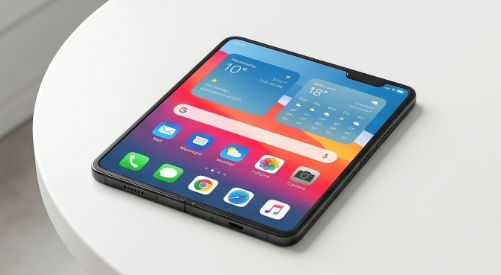
Tecno has emerged as a standout exhibitor at IFA 2026 in Berlin, drawing significant attention with its latest hardware prototype, the Next-Gen Bezelless Concept Phone. The device, which features a display with zero visible bezels, was showcased at the event's ShowStoppers exhibition, offering a glimpse into a potential future for smartphone design. While the industry has spent years incrementally reducing screen borders, Tecno’s latest prototype represents a more radical departure from current manufacturing norms.
The device utilizes a combination of advanced internal stacking, structural re-engineering, and novel screen packaging techniques to achieve its immersive, edge-to-edge aesthetic. Although the phone is currently strictly a concept and prototype, it has sparked industry discussion regarding the feasibility of such designs reaching mass production. The demonstration at IFA highlights Tecno’s ongoing strategy of using high-profile trade shows to showcase experimental hardware, following previous concepts like modular phones and rollable displays.
Engineering the Zero-Bezel Experience
The primary technical achievement of the Next-Gen Bezelless Concept Phone lies in its screen packaging. By eliminating the traditional frame borders that house display drivers and sensors, Tecno has created a device that appears to be entirely screen. During hands-on demonstrations, the device successfully navigated standard user interactions, including app switching, camera operation, and web browsing, without registering accidental palm touches.
This functionality is attributed to the structural re-engineering of the device's internal components. By optimizing the internal stacking, the company has managed to maintain a frame that provides enough grip for comfortable handling while ensuring the display remains the sole focus. The result is a device that feels significantly more immersive than current flagship smartphones, which typically retain thin, symmetrical borders around their panels.
A Unique 3D Rear Panel Design
Beyond the display, the concept phone features a distinct rear panel design that has drawn considerable attention from attendees. The back of the device incorporates a 3D effect that creates a sense of depth without requiring specialized glasses. This visual feature, described by observers as a "flowery" or mesmerizing pattern, appears to pop out from the surface of the phone.
Tecno has a history of experimenting with unconventional materials and finishes on its rear glass panels. At MWC 2025, the company showcased concepts featuring color-changing photochromic cellulose, Display Electronic Slurry (DES) similar to e-readers, and ultra-fine optical fibers integrated with LED lighting. The 3D effect on the new concept phone continues this trend of prioritizing aesthetic innovation in hardware design, even if these features do not immediately transition to commercial production.
Industry Context and Future Implications
The unveiling of this concept comes amid persistent industry rumors regarding the future of smartphone design, particularly concerning Apple's product roadmap. Reports have suggested that Apple is working toward a bezel-less iPhone, potentially for a 20th-anniversary edition in 2027. Tecno’s working prototype provides a tangible reference point for what such a device might look like, moving the conversation from theoretical speculation to physical demonstration.
While Tecno has confirmed that the Next-Gen Bezelless Concept Phone is not slated for immediate market release, the prototype serves as a testing ground for technologies that could eventually influence the company's mass-market offerings. The positive reception at IFA suggests a consumer appetite for more radical design departures, even if the current implementation remains confined to the prototype stage.
Balancing Innovation with Practicality
For many observers, the central question remains whether a truly bezel-less design is practical for daily use. The primary concerns typically involve durability, accidental touch rejection, and the placement of essential sensors like front-facing cameras and earpieces. Tecno’s demonstration at IFA addressed some of these concerns by showing that the device could be held comfortably without triggering unwanted interactions.
However, the transition from a concept to a consumer-ready product involves significant hurdles in manufacturing and component miniaturization. Tecno’s willingness to showcase these experimental devices at major trade shows allows the company to gauge public interest and refine its engineering approach. Whether or not this specific bezel-less design reaches store shelves, it underscores a broader industry push toward maximizing screen-to-body ratios in the coming years.