
SpaceX Catches Starship Upper Stage With Launch Tower Arms
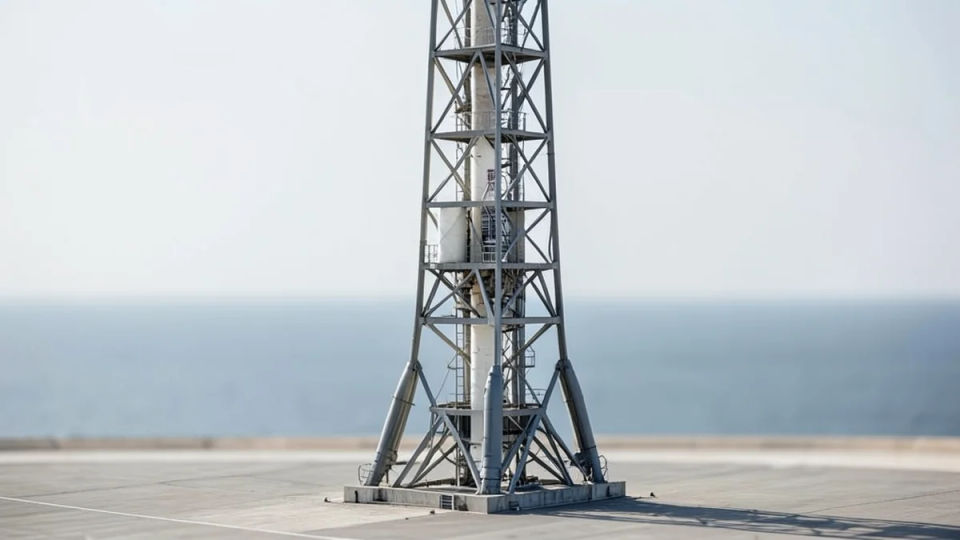
SpaceX caught the upper stage of its Starship rocket, Ship 42, with the mechanical "chopstick" arms of its Starbase launch tower on Saturday, November 14, marking the first tower catch of a Starship spacecraft, according to The Verge and MLQ.ai. The catch occurred around 4:20 pm ET (21:20 UTC), roughly 22.5 hours following Flight 15's liftoff from South Texas on Friday evening, November 13, Space.com and MLQ.ai reported.
Orbital Flight and Booster Abort
During the mission, Ship 42 reached a low Earth orbit near 276 km, completed about 14 orbits and deployed 26 Starlink V3 satellites, three of which carried cameras to inspect its heat shield before reentry, MLQ.ai reported. However, SpaceX's plan to catch both stages failed when Super Heavy Booster 22 aborted its return minutes after Friday's launch and exploded above the Gulf of Mexico, MLQ.ai and Space.com reported. SpaceX established contact with all 26 deployed Starlink V3 satellites as they began raising their orbits, according to Payload. On October 13, 2024, SpaceX achieved its first launch tower catch when Mechazilla's chopstick arms caught a returning Super Heavy booster during Starship's fifth flight test, according to SpaceX. The Starship upper stage stands 171 feet (52 meters) tall, according to The Guardian. SpaceX President and COO Gwynne Shotwell said the company aims to refly the Starship second stage by early 2027 and ramp launch cadence toward rapid reusability.
Reusability Goals for Starlink and Artemis
Recovering both rocket stages at Starbase is designed to speed up inspection, refurbishment and reflight for SpaceX's Starlink V3 constellation, which targets 100,000 satellites, as well as Elon Musk's proposed Starmind orbital AI data-center network and NASA's 2028 Artemis lunar lander mission, Space.com and MLQ.ai reported. SpaceX has not yet set a date for Flight 16, though Space.com expects another double-catch attempt on the next launch. SpaceX CEO Elon Musk said on the company's Q3 2026 earnings call that he expects to reach weekly Starship flights during the first half of 2027.