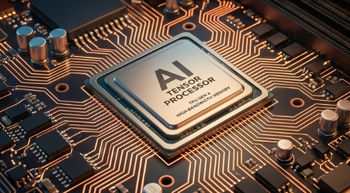
Microsoft is restructuring its AI integration strategy for Windows 11, moving away from ubiquitous Copilot buttons and interface shortcuts toward a model where local desktop hardware runs artificial intelligence models natively. At the IFA 2026 conference, corporate vice president for Windows and devices Mark Linton outlined a new company vision termed "unmetered intelligence." This strategic shift aims to utilize the processing power of modern central processing units, graphics processing units, and neural processing units already present in consumer PCs to handle everyday computing workloads without routing every individual request through expensive cloud data centers.
The updated architectural roadmap reflects a broader industry transition from basic chat interfaces toward autonomous agents capable of managing complex local workflows. Microsoft has already begun removing Copilot integrations from native utilities like the Microsoft Photos app and the Snipping Tool, while renaming the Notepad integration to "Writing tools." According to company disclosures, these adjustments are designed to streamline the operating system while preparing the software ecosystem for long-running AI agents that require stringent security frameworks and localized execution parameters.
The Concept of Unmetered Intelligence
During his presentation at IFA 2026, Mark Linton introduced the phrase "unmetered intelligence" to describe a future where AI processing is distributed directly to user hardware rather than remaining entirely bound to cloud infrastructure. Comparing the initiative to historical corporate milestones under Bill Gates, Linton emphasized that modern consumer hardware has evolved to support sophisticated software without demanding constant external connectivity. "One of the big areas that we’re talking about now is AI and what we can do for unmetered intelligence," Linton said. "And so if you think about it, we talk about unmetered intelligence on every desk and in every home."
The economic driver behind this architectural pivot involves the changing dynamics of token consumption and cloud inference expenses. Running smaller models locally on a consumer machine ensures that users do not continuously deplete cloud subscription tokens or generate substantial server costs for routine interactions. Microsoft clarifies that this localized approach is intended to complement rather than completely replace cloud-based infrastructure, allowing desktop systems to handle everyday tasks while leaving heavier computations to enterprise data centers.
Hardware Capabilities and Local Model Execution
The technological feasibility of local AI execution relies heavily on the rapid advancement of onboard hardware accelerators, particularly neural processing units integrated into contemporary personal computers. Microsoft highlighted machines capable of running local models containing tens or even hundreds of billions of parameters. Linton characterized the processing tier of these advanced desktop computers as approaching "super computer capability on the desktop," enabling creators and software developers to execute demanding workloads directly on local hardware.
By shifting everyday generative tasks to local silicon, the operating system changes the underlying economic model of consumer software utility. "What if your PC were powerful enough and essentially you can change your token economics by running it locally on your PC?" Linton explained during the conference. These hardware advancements mean that standard desktop and laptop configurations can now support autonomous processing routines that previously required dedicated server clusters.
Preparing Windows for Autonomous AI Agents
Beyond simple hardware acceleration, Microsoft is actively configuring the Windows 11 architecture to serve as a secure operating environment for autonomous AI agents. The strategy encompasses streamlined developer tools and specialized runtime containers designed to isolate agent activities from personal files. These software containers aim to prevent malicious behavior or operational interference while allowing background utilities to perform complex administrative functions.
Enterprise deployment requirements remain a central focus for the platform engineering teams. Corporate customers have expressed clear reservations about allowing autonomous software agents unrestricted access to internal networks without administrative oversight. "Customers are very clear. I don’t want to let agents just run loose across my corporate network," Linton noted. "I need security and manageability because I want to use the power of these… long-running agents, but I don’t want to let go of my policies."
Security Controls and Future Platform Updates
Future software iterations of Windows 11 are expected to introduce granular auditing utilities, enabling administrators and power users to monitor agent logs and establish strict operational boundaries. These management tools represent a necessary counterbalance to the increased autonomy granted to local software agents. Microsoft plans to release additional technical documentation and developer previews later in the year as these security subsystems are integrated into mainstream builds.
The recalibration of the operating system also coincides with broader product adjustments, such as introducing movable taskbars and streamlined search features designed to improve core operating system responsiveness. By trimming superfluous interface integrations and concentrating on robust local execution frameworks, Microsoft aims to position Windows 11 as the definitive desktop platform for next-generation computing workloads.