iPhone 18 Pro Launched with 2nm A20 Chip and $1199 | The Indus Pulse
By The Indus Pulse Tech Desk 12 Sept 2026, 01:20 PM 5 min readtech
Apple Launches iPhone 18 Pro and Pro Max With 2nm A20 Chip and Higher Prices
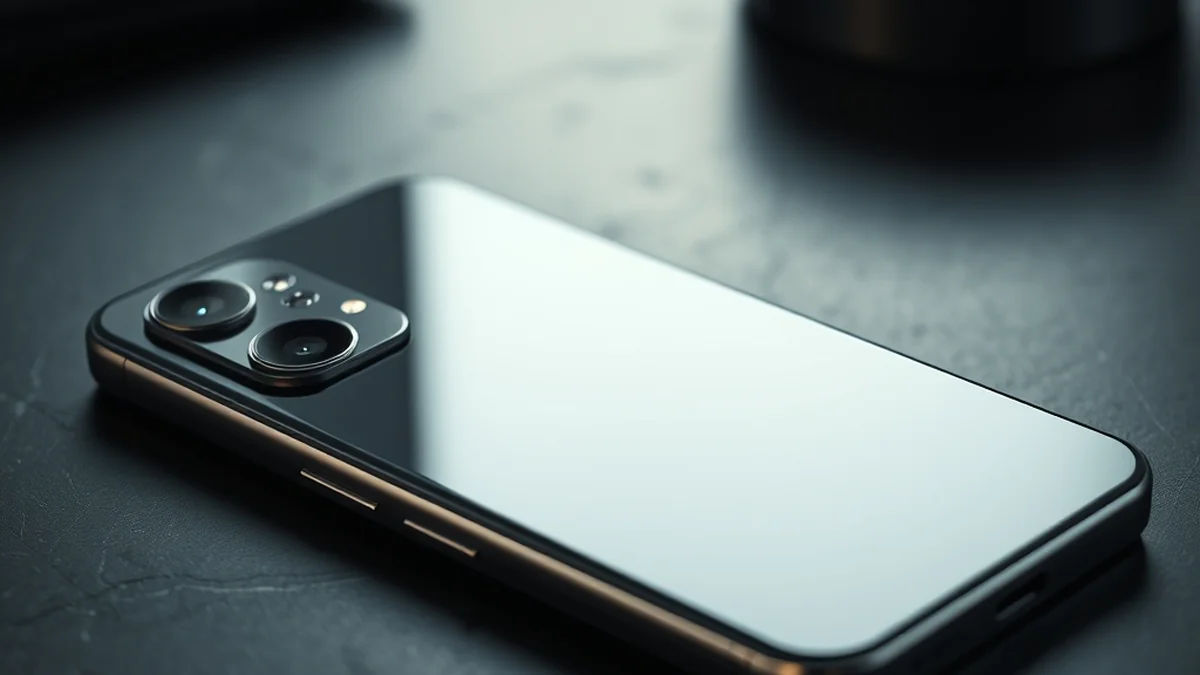
AI Illustration
The Bottom Line
•Apple launched the iPhone 18 Pro and iPhone 18 Pro Max with a $100 price increase, starting at $1,199 and $1,299 respectively.
•The new smartphones feature a 2nm A20 Pro processor, a 48MP variable-aperture main camera, and vapor chamber thermal cooling.
•Pre-orders opened immediately ahead of a global retail release scheduled for September 18, backed by carrier trade-in deals.
Apple has officially announced its latest flagship smartphone lineup, introducing the iPhone 18 Pro and iPhone 18 Pro Max alongside a sweeping wave of new high-end devices and carrier promotions. The newly unveiled handsets arrive with a $100 price increase across the board, bringing base pricing for the 6.3-inch iPhone 18 Pro to $1,199 in the United States and Rs. 1,64,900 in India, while the larger 6.9-inch iPhone 18 Pro Max starts at $1,299 and Rs. 1,79,900. Pre-orders open immediately ahead of a worldwide store release scheduled for September 18.
The price adjustment follows months of supply-chain speculation regarding escalating component expenses. Despite the higher retail cost, Apple has packed its newest Pro generation with substantial hardware improvements, including the 2nm A20 Pro chipset, an upgraded vapor chamber cooling architecture, and a redesigned 48-megapixel Fusion Main camera featuring a variable physical aperture. The devices also introduce iOS 27 with next-generation Apple Intelligence tools, attempting to justify the premium price point for consumers weighing upgrades against competing Android flagships.
A20 Pro Silicon and Advanced Thermal Architecture
At the core of the iPhone 18 Pro lineup sits the new A20 Pro chipset, fabricated on an advanced 2-nanometer process. Apple's silicon architecture pairs a six-core CPU featuring two super cores and four efficiency cores with a seven-core GPU equipped with dedicated Neural Accelerators on each core. According to Apple specifications, the A20 Pro delivers up to a 20 percent performance increase for the CPU and a 40 percent boost in graphics processing compared to the previous-generation A19 Pro, alongside a 50 percent increase in overall memory bandwidth.
To sustain maximum performance under heavy computational workloads, Apple has overhauled the thermal management system inside the chassis. The new vapor chamber cooling solution provides three times the surface area found in the iPhone 17 Pro, unlocking up to 40 percent better sustained performance. Both models retain 12GB of RAM while offering storage tiers scaling up to 2TB on the smaller 6.3-inch model for the first time, giving mobile professionals ample local capacity for on-device artificial intelligence tasks and high-resolution video capture.
Camera Enhancements and Pro Imaging Controls
The upgraded camera system centers on a 48-megapixel Fusion Main sensor equipped with a four-stop variable aperture ranging from f/1.48 to f/4.0, allowing users greater physical control over depth of field and low-light light intake. This main sensor is paired with a 48-megapixel ultrawide lens supporting macro photography and a 48-megapixel telephoto camera delivering 8x optical zoom. The hardware works alongside new manual Pro controls in the Camera app for fine-tuning shutter speed, white balance, and exposure.
Apple has also introduced an Apple Reference Image verification feature, which digitally signs every captured pixel to cryptographically certify that an image originated on the device and remained unedited. Videography capabilities expand with 4K video recording at 120 frames per second in Dolby Vision, post-capture cinematic depth effects on 60 fps footage, and smart focus tracking powered by on-device intelligence to keep subjects locked in sharp focus during motion sequences.
Design Tweaks and Expanded Connectivity Options
Externally, the iPhone 18 Pro models maintain familiar display dimensions at 6.3 inches and 6.9 inches but introduce a heavier unibody aluminum frame that eliminates the previous two-tone contrast between glass and metal. A durable Ceramic Shield 2 protects the display, which reaches a peak outdoor brightness of 3,000 nits and an energy-efficient 1-nit minimum brightness for the Always-On Display. The Dynamic Island has been reduced in physical footprint while expanding its functionality to support three concurrent Live Activities.
Cellular and wireless connectivity receive significant upgrades through Apple's custom-designed hardware. Most regional variants incorporate an Apple-developed C2 modem that supports faster data uploads and mmWave 5G connectivity, though U.S.-bound Pro Max units retain a Qualcomm modem. Additionally, a new Apple-designed N1 networking chip integrates Wi-Fi 7, Bluetooth 6, Thread protocols, and a second-generation Ultra Wideband transceiver into the ecosystem.
Carrier Deals and Trade-In Incentives
Because the baseline pricing has risen by $100 compared to prior generations, major telecommunications providers have rolled out aggressive trade-in promotions to entice buyers during the pre-order window. In the United States, T-Mobile is offering the iPhone 18 Pro free for customers switching carriers and opening an Experience Beyond unlimited plan. Verizon and AT&T are similarly offering up to $1,200 in bill credits with eligible device trade-ins and qualifying unlimited data subscriptions.
For consumers purchasing directly through retail channels, the Apple Store is providing instant trade-in credits ranging from $175 to $885 depending on the condition and model of the returned device. Eligible trade-in hardware spans back to the iPhone 13 series, allowing existing smartphone owners to offset the higher upfront hardware costs before the official September 18 launch date.
Global Market Alternatives and Competitive Landscape
For buyers hesitant to absorb Apple's higher price points, several major Android original equipment manufacturers are positioning competing ultra-flagship devices in key international markets like India. Competitors include Google's Pixel 11 Pro series powered by the Tensor G6 processor, Samsung's Galaxy S26 Ultra featuring a built-in privacy display and a 200-megapixel primary camera, and specialized camera-heavy flagships from Vivo, Oppo, and Xiaomi.
These Android alternatives range in price from approximately Rs. 1,19,999 for base Google models up to Rs. 1,89,999 for high-capacity Samsung configurations. Many of these competing devices emphasize massive high-capacity silicon-carbon batteries exceeding 7,000mAh and modular photography kits, providing robust counterweights to Apple's latest ecosystem push.
The Indus Pulse is committed to accuracy and transparency.