
Apple Enters Smart Home Hardware Race With HomeView Display
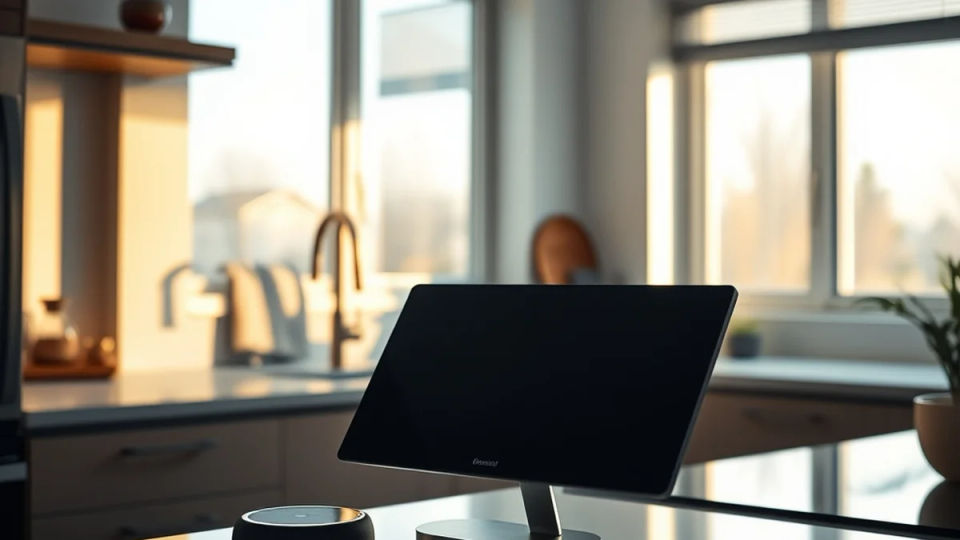
Apple officially entered the first-party smart home hardware category this week by unveiling the Apple Home Collection alongside its flagship HomeView smart display. The new Home Collection comprises connected security cameras, thermostats, environmental sensors, a smart door lock, and a video doorbell. The hardware suite was codeveloped in strategic industrial partnerships with global appliance manufacturer LG Electronics and energy management specialist Schneider Electric.
Strategic Pivot From Pure Software to Dedicated Hardware
By manufacturing branded home hardware, Apple enters into direct commercial competition with external device makers it previously courted as ecosystem partners. Despite more than a decade of HomeKit integration, Apple's domestic ecosystem previously lacked in-house branded hardware to rival Amazon's Ring or Google's Nest. The comprehensive hardware portfolio aims to deliver seamless setup, end-to-end data encryption, and unified controls through the native Apple Home application.
Apple's initial approach required any device that wanted to connect with HomeKit to include the MFi chipset.
HomeView Specifications and Pricing Architecture
Serving as the physical control hub of the ecosystem, Apple introduced the HomeView on Tuesday as its first dedicated domestic smart display. The HomeView features a 7-inch interactive touch screen paired with an integrated speaker base and an adjustable viewing display. Retail pricing for the smart display is set at 299 dollars, offering customers an identical price point for either tabletop or wall-mounted configurations. Pre-orders opened immediately through Apple's retail storefront and major consumer electronics distributors, with initial retail shipments scheduled for November 13.
In February 2018, Apple introduced the original HomePod smart speaker, which it discontinued three years later in March 2021.
Architectural Integration of Matter and Conversational AI
At Apple's Welcome home product event in New York, vice president of product marketing Kaiann Drance outlined the technological drivers behind the launch. Drance explained that the convergence of open Matter connectivity and advanced conversational artificial intelligence made a dedicated home hub viable. Drance emphasized that the integration of enhanced Siri AI capabilities allows household members to interact conversationally with connected appliances and security systems. Apple positions the HomeView display as an accessible consumer gateway for streaming music, viewing guided recipes, and coordinating household calendars.
Apple confirmed that HomeView will not be sold in the European Union at launch because Siri AI is unavailable under iOS in the European Union.
HomeView utilizes Apple's A18 processor equipped with a 16-core Neural Engine to run localized vision algorithms on device for multi-user facial recognition across up to six household profiles.
Consumer Adoption Barriers and Market Positioning
Consumer market research from Parks Associates indicates that customer hesitation around smart home devices often stems from perceived lack of value and privacy worries. Industry analysts highlighted that privacy, security complexity, and equipment expenses rank as persistent consumer adoption hurdles. Apple's marketing pitch emphasizes one-tap setup, local data retention, and a single consolidated application to manage home automation. Parks Associates president Elizabeth Parks observed that Apple's extensive and fiercely loyal consumer base provides formidable distribution leverage. By codeveloping hardware with LG and Schneider Electric, Apple balances consumer electronics appeal with commercial electrical installation expertise.
The smart display market size is estimated at $5.49 billion in 2026, growing from $4.71 billion in 2025 with projections reaching $11.82 billion by 2031 at a 16.58% compound annual growth rate.