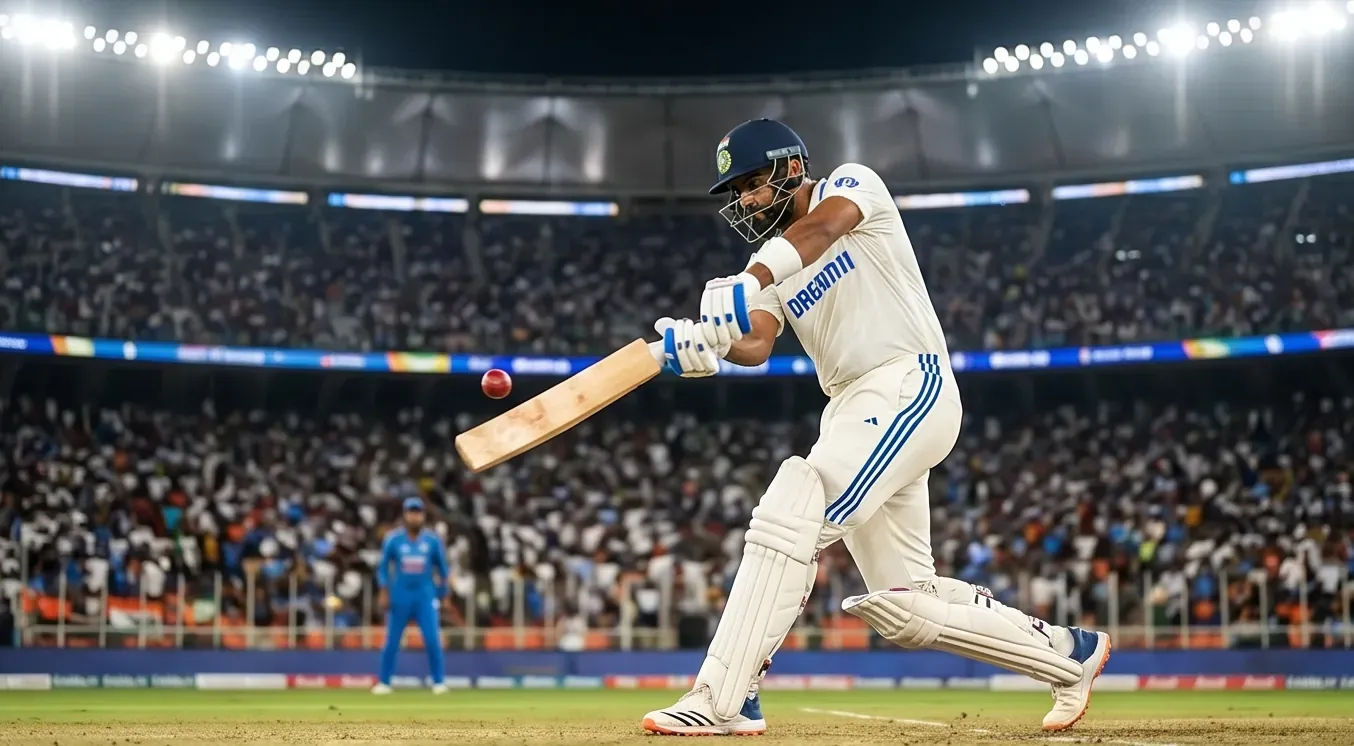
Cricket Australia has confirmed a 16-member Test squad for the upcoming three-match series against South Africa, headlined by the controversial retention of Marnus Labuschagne. Despite significant public scrutiny and calls for his exclusion following a prolonged lean spell, the right-handed batter remains in the selection mix as Australia prepares for a pivotal tour that begins in Durban on October 9. The squad selection, announced on September 7, 2026, reflects a strategic balance aimed at navigating a condensed schedule that follows a six-match ODI series.
Labuschagne’s inclusion comes after a difficult period where he has averaged just 24.69 across his last 43 Test innings, failing to register a century since July 2023. While he was omitted from the ODI squad for the preceding limited-overs fixtures, selectors have opted to maintain faith in his red-ball credentials. The upcoming series holds significant weight for the World Test Championship standings, as both Australia and South Africa look to secure their positions for next year’s final at The Oval.
The Selection Logic Behind Labuschagne
Chair of selectors George Bailey addressed the decision to retain Labuschagne, acknowledging the team's desire for improved output while expressing confidence in the batter's ability to contribute. "We're not shying away from the fact that we'd like some more runs from Marn. That's clear," Bailey stated. "But we're also confident that he can still make a positive contribution to that squad."
Bailey suggested that the absence of ODI commitments might actually benefit Labuschagne, allowing him to focus exclusively on red-ball preparation. The selectors are banking on his ability to refine his technique specifically for the South African conditions. By removing the distraction of the white-ball tour, the team management hopes to see a return to the form that previously established him as a cornerstone of the Australian batting lineup.
Surprise Inclusion of Cooper Connolly
One of the most notable additions to the squad is the young left-hander Cooper Connolly. His selection is considered a surprise given his limited first-class experience, having yet to score a century in the format. Connolly has batted at No. 3 only once in his 21 first-class innings and was previously dropped by Western Australia for their final Sheffield Shield match last season.
Despite these statistical gaps, Bailey defended the move, citing Connolly’s rapid development and his impressive performance in the ODI format, where he recently scored a century against Bangladesh. The selectors view him as a versatile option who can adapt to various batting positions as he gains experience. Whether he features in the playing XI for the opening Test remains to be seen, but his inclusion signals a long-term investment in his potential.
Bolstering the Bowling and All-Rounder Options
Michael Neser returns to the fold after recovering from a calf strain that sidelined him during the August training camp. His presence provides Australia with a fifth fast-bowling option, joining the established trio of Pat Cummins, Mitchell Starc, and Josh Hazlewood, alongside Scott Boland. This depth is viewed as essential for the varied conditions expected across the three venues in Durban, Gqeberha, and Cape Town.
Matthew Kuhnemann has also been added as an additional spin option. While it is considered unlikely that Australia will field two spinners in the same XI, Kuhnemann’s presence serves a dual purpose: providing cover for Nathan Lyon and assisting the batters in preparing for the threat posed by South African spinner Keshav Maharaj. The squad also retains all-rounders Cameron Green and Beau Webster, who are expected to play key roles in balancing the side.
Strategic Considerations for the Playing XI
With Matt Renshaw retained as an opener, the team management faces ongoing questions regarding the optimal batting order. Public debate has centered on whether Travis Head should move down to No. 5 or if Steve Smith should be promoted to No. 3. Bailey confirmed that these configurations remain under consideration, though he expressed caution regarding the potential disruption to the team's current structure.
"Any time you do make a move, it's what are you taking away from where they are performing," Bailey noted. The selectors are balancing the proven success of players in their current roles against the need to maximize the team's overall output. As the tour approaches, the final composition of the batting order will likely be determined by the specific conditions encountered in Durban, with the team aiming to avoid the pitfalls of their last visit to South Africa in 2018.
A High-Stakes Return to South Africa
The upcoming series marks Australia’s first Test tour of South Africa since the 2018 series, an event infamous for the ball-tampering scandal. Only five members of the current 16-man squad—Pat Cummins, Josh Hazlewood, Mitchell Starc, Steve Smith, and Matt Renshaw—have previously experienced a Test tour in the country. This lack of collective experience in South African conditions adds a layer of complexity to the challenge.
With the World Test Championship final at stake, the pressure on the squad is immense. The series will move from Durban to Gqeberha and conclude in Johannesburg, with short gaps between matches. The selectors have emphasized that the squad's composition is designed to provide the necessary variety and depth to handle the rigors of the tour, ensuring that the team remains competitive throughout the three-match encounter.