
13 Sept 2026, 10:18 AM 3 min readmarketsFinancial InsightMarket Pulse
Indian Equities Navigate Geopolitical Headwinds As SEBI Proposes Derivative Settlement Reforms
The Nifty 50 index fell 0.34 percent to 23,398.10 as investors weighed new regulatory proposals and high-level diplomatic meetings.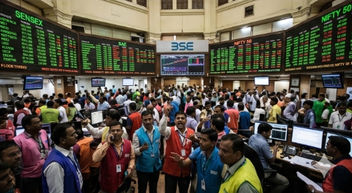
Market Sentiment Amid Diplomatic Activity
The Indian equity markets concluded the recent session with a cautious undertone, as the Nifty 50 index retreated by 79.70 points, or 0.34 percent, to settle at 23,398.10. This defensive posture coincided with the high-profile arrival of Chinese President Xi Jinping in New Delhi for the BRICS summit. The diplomatic gathering, which aims to solidify a joint declaration among member nations, has introduced a layer of geopolitical complexity that institutional investors are currently pricing into their risk models. While the primary index faced selling pressure, the broader market sentiment remained fragmented, with the India VIX climbing 4.00 percent to 12.27, reflecting an uptick in demand for hedging instruments as participants brace for potential volatility stemming from regional trade and security discussions.
Regulatory Overhaul in Derivatives
Adding to the weekend's analytical workload for institutional desks, the Securities and Exchange Board of India (SEBI) unveiled a significant proposal to modify the settlement framework for index and single-stock derivatives. The regulator intends to integrate both the closing auction session and the volume-weighted average price to determine final settlement values on expiry days. This move is designed to bolster market integrity and mitigate the risk of end-of-day price manipulation. Algorithmic trading firms and high-frequency funds are now evaluating the operational adjustments required to align their execution strategies with this proposed dual-metric system, which could fundamentally alter liquidity patterns during the final minutes of trading sessions.
Banking Sector Resilience and Leadership Transitions
Despite the broader index contraction, the banking sector demonstrated notable resilience. The Nifty Bank index gained 134.60 points, or 0.24 percent, to close at 56,606.55, while the Nifty Financial Services index added 25.10 points to finish at 25,545.40. This performance was bolstered by investor focus on major private lenders, particularly HDFC Bank, which has reportedly submitted two CEO candidates to the Reserve Bank of India for approval. This leadership transition process is being closely monitored by market participants, as the bank remains a cornerstone of the domestic financial index and a primary driver of institutional liquidity.
Global Macroeconomic Pressures
External factors continue to exert influence on domestic capital flows. Accelerating consumer inflation figures from the United States have reinforced expectations of a more hawkish monetary policy stance from the Federal Reserve, prompting foreign institutional investors to recalibrate their emerging market allocations. The combination of shifting geopolitical alliances and the prospect of sustained high interest rates in developed economies has led to a defensive rotation in portfolios. Investors are increasingly prioritizing companies with strong balance sheets and clear earnings visibility, while mid-cap stocks, as evidenced by the 160.15-point decline in the Nifty Midcap 100 to 62,197.20, have faced sharper corrections as risk appetite wanes.
Outlook on Corporate Restructuring
Beyond the indices, the technology sector is undergoing a period of intense operational restructuring. Global data indicates that tech-sector layoffs in 2026 have already surpassed the total figures for 2025, with major entities like Uber, PayPal, and Apple reducing headcount to redirect capital toward artificial intelligence investments. This trend is impacting the domestic IT landscape, where consulting firms are navigating a dual challenge of war-related supply chain disruptions and the rapid integration of automated systems. As the market moves into the next trading week, the focus will remain on how these global corporate trends and the outcome of the BRICS summit influence the domestic investment climate.
The Indus Pulse is committed to accuracy and transparency.