
India Holds Scotch Shipments in Tariff Classification Dispute Under UK Pact
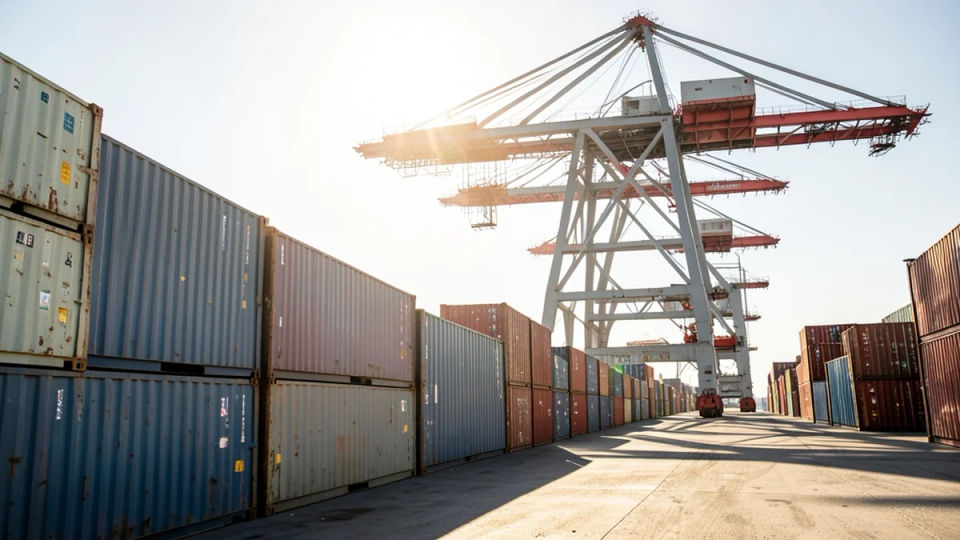
Indian customs authorities have detained dozens of shipping containers carrying bulk Scotch whisky imported by global spirits manufacturers Pernod Ricard and Diageo amid an unresolved tariff classification dispute. The regulatory standoff centres on whether unfinished bulk spirits qualify for a preferential 75% import duty negotiated under the bilateral trade pact between India and the United Kingdom that commenced in July 2026. Customs enforcement officials assert that bulk spirit concentrates must instead pay a 150% tariff under a customs category for compound alcoholic preparations. International liquor companies have declined to remit the higher tariff assessment, leaving more than 85 shipping units held at maritime container freight stations.
Inter-Ministerial Policy Divergence
The trade confrontation highlights an administrative policy division between India's Ministry of Commerce and Industry and the Ministry of Finance. On November 2, senior commerce officials assured beverage industry executives that the central government remained dedicated to honouring treaty terms and settling clearance bottlenecks promptly. However, a formal communication dated November 4 from the Directorate of Revenue Intelligence directed customs commissioners across Indian ports to apply the elevated 150% tariff rate. The revenue intelligence agency claimed that importers were incorrectly asserting treaty exemptions on products classified as compound alcoholic preparations since May 1. The memo said a preliminary investigation found the imported goods are concentrates that undergo further manufacturing, not finished whisky, according to BMI.
Operational Scale and Supply Chain Vulnerabilities
Pernod Ricard and Diageo each have more than 40 shipping containers awaiting customs release at Indian ports, while competitor Bacardi has five containers detained. Industry sources indicated that prolonged delays could affect supplies. Around 80% of Scotch whisky imported from Britain by volume arrives in bulk and is used to make Indian-Made Foreign Liquor, which blends small quantities of Scotch with other spirits. In 2024, United Kingdom Scotch shipments to India reached $335 million, with industry groups projecting substantial bilateral expansion following the free trade arrangement. The Scotch Whisky Association projected that full treaty implementation could generate an additional $1.34 billion in bilateral spirits trade across a five-year horizon. During 2022, Pernod Ricard received a $244 million customs demand involving allegations of duty avoidance on material used to formulate alcoholic beverages, according to Zerodha. The India-UK Free Trade Agreement established July 15, 2026, as the effective date for lowering the Scotch whisky tariff from 150% down to 75%, alongside a planned decrease to 40% across the subsequent decade, according to Peacock Tariff Consulting.
Corporate Investigations and Investor Precedents
Alongside cargo holds, tax authorities executed searches at corporate offices of major beverage firms including Pernod Ricard and Diageo while questioning executive personnel. The International Spirits and Wines Association of India privately communicated concerns to authorities, warning that the tariff action risks undermining market-access concessions agreed between both governments. Disagreements over import duties have previously posed challenges for foreign businesses in India, which has pursued large back-tax claims against multinationals including Samsung and Volkswagen. Finance and commerce ministry leadership are holding inter-agency talks to formulate an administrative resolution to the trade impasse, according to BMI.