
India Customs Probe on Bulk Scotch Whisky Rattles Global Spirits Majors
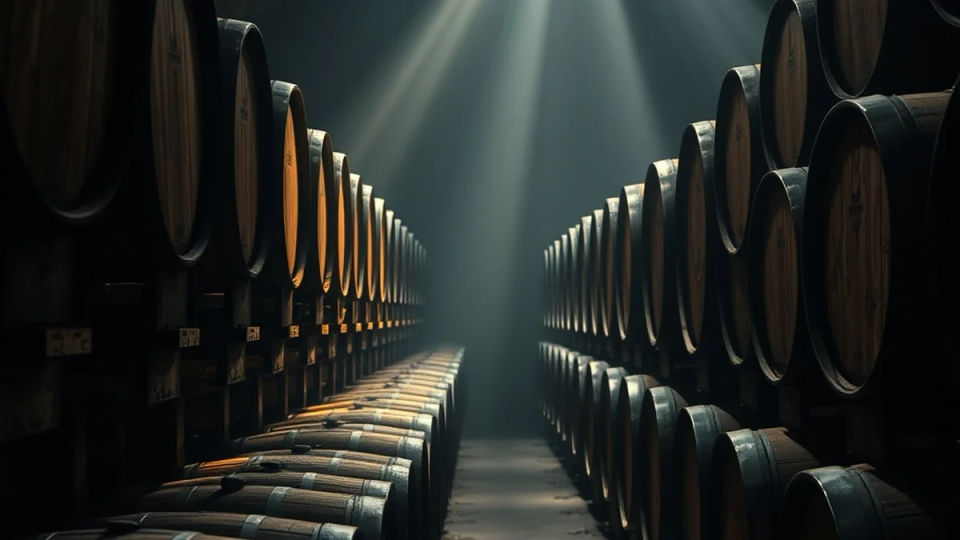
An inquiry by Indian revenue and customs authorities into bulk Scotch whisky consignments has disrupted a $65 billion market, Devdiscourse reported. The regulatory examination represents the initial major trade friction following the enactment of the India-UK free trade agreement on July 15, Devdiscourse noted. Under the bilateral trade framework, New Delhi consented to lower import levies on select Scotch products to 75% from 150% upon enactment, before phasing tariffs toward 40% over 10 years, Devdiscourse stated. However, Indian customs authorities assert that the negotiated duty reductions apply solely to bottled-in-origin spirits rather than bulk liquid shipments, The 420.in noted.
Customs Classification and Commercial Liabilities
The customs dispute hinges on product classification codes, with revenue officials categorizing bulk spirit consignments as compound alcoholic preparations, Devdiscourse reported. Distillery executives and industry advisers argue that bulk Scotch represents an authentic distilled spirit crafted from malted barley and water rather than modified raw materials, Devdiscourse noted. Spirits enterprises including Diageo, Pernod Ricard, Radico Khaitan, and Allied Blenders formally contested assertions that bulk shipments fail to qualify for the 75% duty rate, The 420.in reported. Industry bodies including the International Spirits and Wines Association of India warned that classifying bulk imports under the old 150% rate threatens negotiated market access gains.
The UK-India Free Trade Agreement establishes a state-to-state dispute settlement mechanism to deal with trade disputes, balancing strong enforcement with dispute prevention and early resolution, according to Department for Business and Trade.
Domestic Blending Significance and IMFL Production
The customs classification position carries extensive commercial significance because bulk consignments represent approximately 80% of all Scotch whisky entering India, The 420.in reported. Trade data from the Scotch Whisky Association shows that India is Scotch whisky's largest export destination by volume, receiving the equivalent of more than 220 million bottles in 2025, Devdiscourse stated. The bulk volume predominantly feeds the production of Indian-Made Foreign Liquor brands, wherein imported Scottish malts are blended with domestic neutral alcohol prior to bottling. Domestic associations including the Confederation of Indian Alcoholic Beverage Companies warned that denying concessions to bulk imports harms local processing infrastructure and disincentivizes domestic manufacturing.
In July 2026, Pernod Ricard withdrew its challenge to an Indian government demand for US$314 million in back taxes, which followed an initial 2022 inquiry alleging undervaluation of Scotch whisky imports from UK subsidiary Chivas Brothers, according to The Spirits Business.
Diplomatic Representations and Forthcoming Talks
The trade disagreement has prompted diplomatic representations from British and Scottish government officials, Devdiscourse reported. Scotland's leader John Swinney raised the treatment of bulk Scotch whisky exports directly with Indian authorities during an official visit, Devdiscourse noted. Iconic export products were intended to gain meaningful commercial benefits under the negotiated trade liberalization framework, according to Devdiscourse. The Indian government has scheduled consultations with liquor manufacturers and trade delegations to review harmonized tariff schedules and resolve operational concerns.
Trade agreement provisions categorize the affected products under HS Code 2208.30, according to Department for Business and Trade.
Sources & Citations
- Devdiscourse
- The 420.in
- The Spirits Business
- Department for Business and TradePrimary / official
- Department for Business and TradePrimary / official