
West Bengal Cabinet Approves Proposal to Rename State Paschim Banga
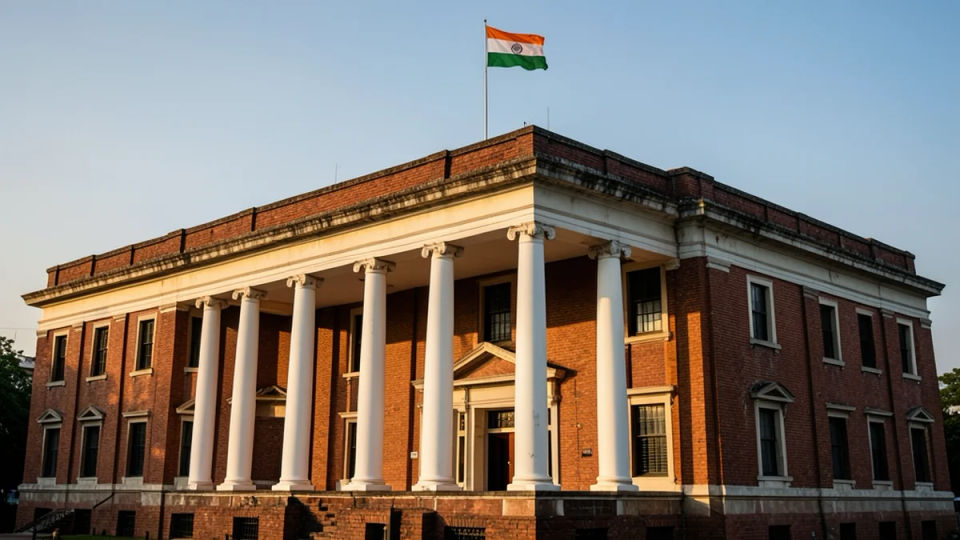
West Bengal Chief Minister Suvendu Adhikari said on Monday, November 23, 2026, that his government will table a resolution in the State Assembly on December 9 to rename West Bengal as Paschim Banga. Speaking to ANI reporters after chairing a Cabinet meeting in Kolkata, Adhikari said the state Cabinet had backed the proposal earlier in the day, according to The Times of India.
Assembly Schedule and Central Clearance
NDTV reported that the winter session of the West Bengal Assembly will run from December 4 to December 14. Adhikari said the name must be written as Paschim Banga in English as well, rather than West Bengal. Once the Assembly passes the resolution, it will be forwarded to the Government of India and then to Parliament for the required approvals before the change can take effect. In August 2016, the West Bengal Assembly passed a resolution proposing three language-specific names, Bangla in Bengali, Bengal in English, and Bangal in Hindi, which the central government turned down, according to Scroll.in.
Historical Framing and 2018 Precedent
Adhikari linked the proposed renaming to June 20, 1947, saying the history of West Bengal's formation must be recognised. According to The Hindu, the state's Bharatiya Janata Party leadership has highlighted that Paschim Banga reflects the Partition history in which part of Bengal became East Bengal, or Purba Bangla, now Bangladesh, and how Shyama Prasad Mookerjee and others sought West Bengal as a homeland for Bengali Hindus.
The Hindu reported that on June 20, the BJP government observed Paschimbanga Divas to mark the 1947 date when Jana Sangha founder Mookerjee moved a resolution in the Bengal Legislative Assembly to partition Bengal. Previously, in July 2018, the Trinamool Congress government under Mamata Banerjee passed a resolution to rename the state Bangla, though the Union government did not act on those requests.
Background
Under Article 3 of the Constitution, Parliament may alter a state's name following the President's recommendation and referral to the state legislature for its views, according to Press Information Bureau, Ministry of Home Affairs.
Under Article 4 of the Constitution, a law made under Article 3 must provide for amending the First and Fourth Schedules and is not deemed a constitutional amendment under Article 368, according to Centre for Law and Policy Research.