
Gwalior Temple Truck Crash Death Toll Reaches 16 After Initial Reports
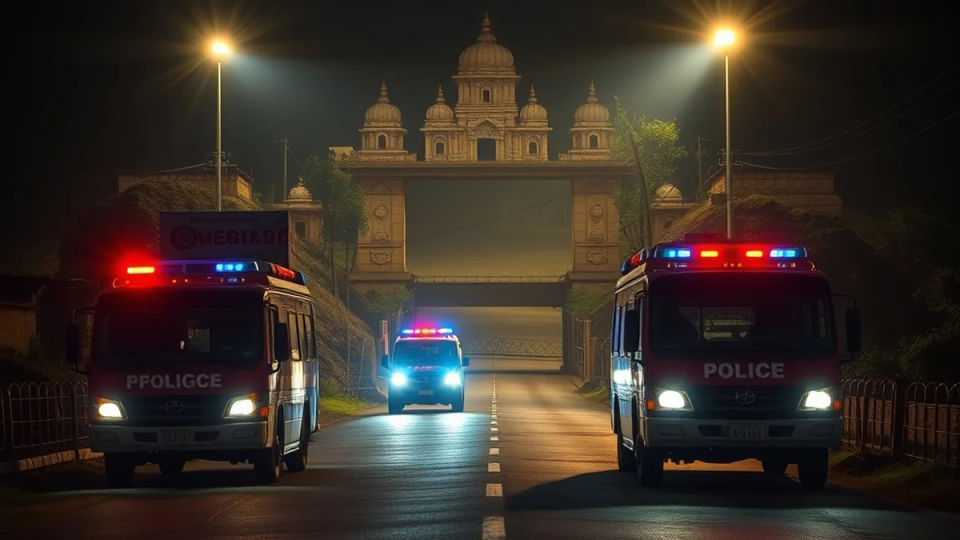
The death toll from a truck crash near the Sheetla Mata temple in Gwalior, Madhya Pradesh, reached 16 by October 21, 2026, after initial reports counted 15 fatalities. The crash occurred in the early hours of October 18, when a paddy-laden truck went out of control on a downhill road and struck people gathered for worship. Dozens were injured, although the reported injury total differed among initial police and hospital updates.
What happened on the approach road
Local reporting indicates the truck crossed a restricted approach where barriers had been placed during the festival. It struck devotees and the temple's outer wall or gate area. Police and residents helped remove victims and emergency services transferred the injured for treatment. Later reporting said one seriously injured woman had been airlifted to AIIMS Bhopal. The changing death toll reflects subsequent hospital developments rather than two separate accidents.
Authorities arrested the truck driver and owner, according to reports published after the crash. Investigators still need to establish why the vehicle reached a pedestrian-heavy area, whether restrictions were being enforced and what mechanical, operational or driving factors contributed. It would be premature to declare a particular brake defect or deliberate act without a completed inquiry.
Why the barrier failure matters
Large religious gatherings can place people on roads that normally carry vehicles. When a road includes a steep approach, temporary barricades and enforcement decisions become as important as crowd movement inside the event. The Gwalior case raises questions about the location and strength of traffic controls, enforcement against heavy vehicles and emergency access for ambulances.
The immediate priorities are medical treatment, accurate casualty identification and assistance to bereaved families. A meaningful investigation should also produce publicly verifiable findings about traffic management and whether similar temple approaches need redesigned restrictions. Earlier stories carrying lower casualty counts should be corrected or linked to a single updated account, rather than kept as competing pages about the same crash.