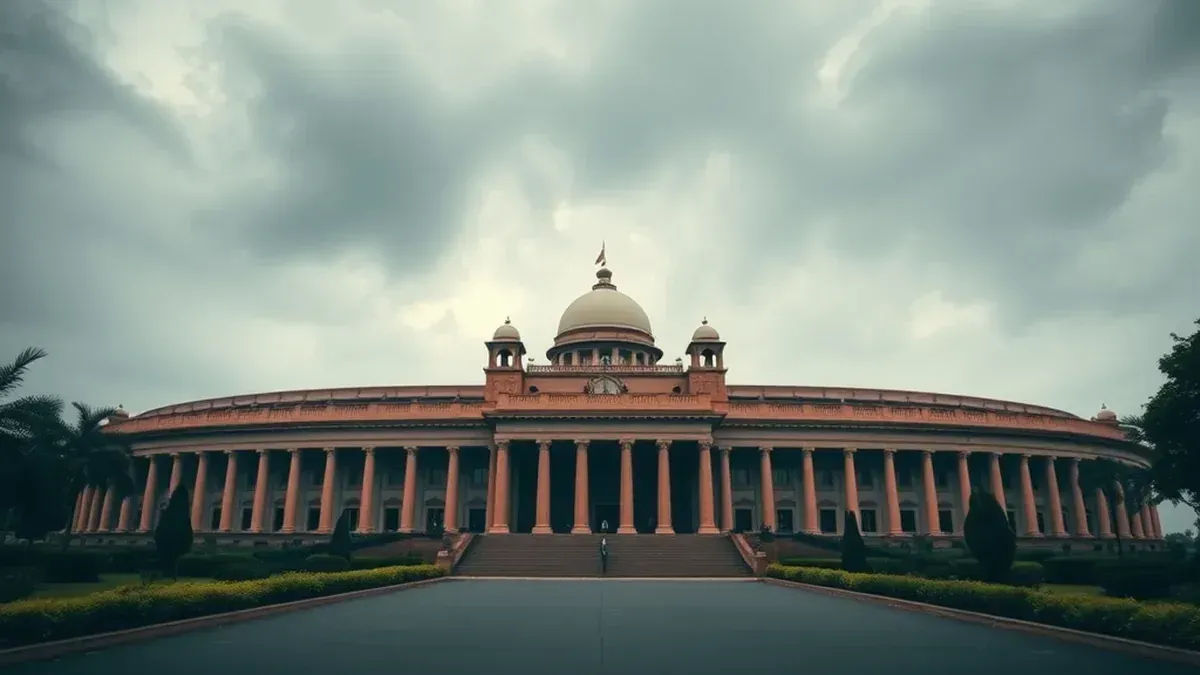
Telangana Assembly Speaker Gaddam Prasad Kumar became visibly emotional and broke down in tears during legislative proceedings on Monday. The incident, which occurred within the House, followed an alleged episode of verbal abuse directed at the Speaker, according to reports from the ruling party. While the specific details regarding the identity of the individual responsible for the outburst or the exact nature of the language used were not immediately disclosed, the event has drawn significant attention to the decorum and conduct expected within the state’s legislative chamber.
The emotional display by the Speaker highlights the ongoing tensions within the Telangana Assembly, where heated exchanges between political factions are not uncommon. The incident serves as a stark reminder of the challenges faced by presiding officers in maintaining order during contentious debates. As the Speaker is the constitutional authority responsible for ensuring the smooth functioning of the House, such an unprecedented public display of distress has prompted discussions regarding the necessity for stricter adherence to parliamentary etiquette and the protection of the dignity of the Chair.
Legislative Decorum Under Scrutiny
The incident involving Gaddam Prasad Kumar has reignited concerns regarding the deteriorating standards of debate within state assemblies. Legislative experts often emphasize that the Speaker’s role is to act as an impartial arbiter, yet the increasing frequency of disruptions and personal attacks against presiding officers suggests a growing crisis of institutional respect. The ruling party’s confirmation of the verbal abuse underscores the severity of the situation, suggesting that the breach of decorum was significant enough to impact the Speaker’s composure during active proceedings.
Observers of state politics note that such incidents are rarely isolated, often reflecting broader political polarization that spills over into the legislative arena. When the presiding officer becomes the target of verbal aggression, it undermines the foundational principles of parliamentary democracy, which rely on mutual respect between the treasury and opposition benches. The emotional toll on the Speaker, as evidenced by his reaction, reflects the immense pressure placed on those tasked with moderating high-stakes political discourse in an environment where tempers frequently flare.
Broader Context of Political Leadership
While the Assembly grapples with the fallout of the verbal abuse incident, other leaders in the national political landscape have been focusing on the future of legislative representation. Lok Sabha Speaker Om Birla, speaking at a separate event in Faridabad, emphasized the importance of gender-responsive governance and the potential for women’s leadership to bring a new level of sensitivity to public service. His remarks, delivered during a workshop organized by the National Commission for Women, highlighted the government’s ongoing efforts to implement the 33% reservation for women in legislative bodies.
Birla’s focus on the transformative power of inclusive leadership stands in contrast to the current atmosphere of confrontation seen in state assemblies. By advocating for a more representative and empathetic political culture, he aims to shift the focus toward constructive policy-making. However, the path to such reform remains complex, particularly given the legislative hurdles the government has faced in securing the necessary majorities for constitutional amendments related to delimitation and reservation quotas.
Challenges in Parliamentary Governance
The intersection of these events—the emotional distress of a state Speaker and the national push for legislative reform—illustrates the multifaceted challenges facing India’s democratic institutions. The failure to pass the women’s reservation amendment during the recent Budget Session, due to a lack of a two-thirds majority in the Lok Sabha, underscores the difficulty of achieving consensus in a fragmented political environment. These legislative roadblocks often exacerbate the tensions that manifest as verbal abuse and disorder on the floor of the House.
the role of the Speaker remains central to navigating these political minefields. Whether at the state or national level, the presiding officer is expected to balance the competing interests of various political parties while upholding the sanctity of the legislative process. When that balance is disrupted by personal attacks or systemic obstructionism, the entire democratic apparatus suffers. The incident in Telangana serves as a case study for the urgent need for a renewed commitment to parliamentary norms and the protection of the office of the Speaker.
Future Implications for Legislative Conduct
As the Telangana Assembly moves forward, the focus will likely shift toward potential disciplinary actions or procedural changes to prevent a recurrence of such incidents. The ruling party and opposition members will be under pressure to demonstrate that they can engage in robust debate without resorting to personal vitriol. The Speaker’s emotional response may serve as a catalyst for a broader review of the rules of procedure, potentially leading to stricter penalties for members who engage in unparliamentary behavior.
Ultimately, the stability of the legislative process depends on the collective will of the elected representatives to respect the institution they serve. Whether through capacity-building workshops or more stringent enforcement of existing rules, the goal remains to restore the dignity of the House. The coming sessions of the Assembly will be closely watched to see if the recent events lead to a more disciplined and respectful environment, or if the underlying political tensions continue to threaten the decorum of the legislative process.