
Punjab Farm Fires Reach 4,657 as 25-Day Sowing Window Traps Farmers
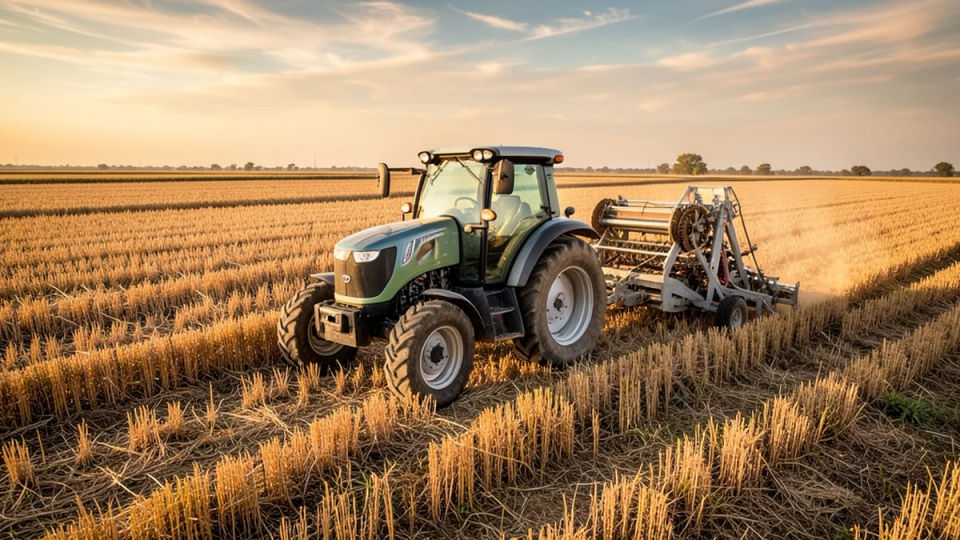
Every autumn across Punjab, agricultural communities confront a strict twenty-to-twenty-five-day operational window between completing paddy harvests and sowing forthcoming winter wheat. According to analytical reporting from NDTV, missing that narrow planting schedule reduces wheat germination rates and shrinks expected household farm income. Manual labor required to cut, gather, and haul away dense crop residue remains too expensive for smallholder farmers operating marginal acreage. Specialized machinery such as Happy Seeders, Super Seeders, and mulchers can incorporate straw directly into the soil, but equipment maintenance and diesel fuel present heavy financial burdens. Even with subsidized Custom Hiring Centres, machine rental charges and high-horsepower tractor requirements keep mechanical residue clearance out of reach for many cultivators.
Agricultural Deadlines: The 25-Day Window and Equipment Cost Pressures
State government records claim that approximately 19.25 million metric tonnes out of 20 million tonnes of annual paddy straw are managed scientifically. Under in-situ residue management, an estimated 11.4 million tonnes are chopped and mixed directly into fields, saving over Rs 600 crore in cultivation expenses. Concurrently, ex-situ pathways transport nearly 7.85 million tonnes off agricultural plots to supply biomass power facilities, compressed biogas units, and industrial boilers. Despite these formal diversion programs, open-field burning persists as the fastest and cheapest mechanism to prepare agricultural plots for wheat sowing. According to a Punjab Pollution Control Board report, the state recorded 4,657 stubble-burning incidents through November 9 amid post-Diwali farm activity. Commercial biomass off-take models establish farm-gate straw pricing between INR 1,500 and 2,500 per tonne, yielding delivered feedstock costs of INR 2,300 to 4,600 per tonne, according to Urja Setu. Punjab distributed approximately 1.48 lakh crop residue management machines supported by 25,917 Custom Hiring Centres to encourage mechanized in-situ management, according to The Tribune.
Residue Diversion Targets Versus Ground Reality: 4,657 Farm Fires Recorded
Enforcement agencies registered 1,442 First Information Reports and levied environmental penalties totaling Rs 7.285 crore, recovering Rs 3.36 crore across monitoring zones. District-level data indicated that Tarn Taran recorded the highest regional count with 659 fire incidents, followed by Ferozepur reporting 621 cases. Field inspections verified physical evidence of residue burning at 1,675 locations out of 3,845 inspected sites across the agrarian state. Paddy harvesting has reached completion across 93.70% of Punjab's 32.87 lakh hectares of cultivated paddy land. Farmers operating under tight agricultural margins have requested direct state compensation of at least Rs 100 per acre to assist with residue management costs.
Policy Deadlocks: Compensation Demands, Haryana Model and Satellite Reductions
The Punjab state government proposed a collaborative cash incentive of Rs 2,500 per acre, requesting the central government fund Rs 1,500 while covering the remaining share. However, central authorities declined the proposal, pointing to prior capital subsidies allocated for mechanized residue equipment. In neighboring Haryana, the state administration operates a direct financial incentive of Rs 1,000 per acre for cultivators who refrain from burning straw. Satellite telemetry from the Indian Agricultural Research Institute shows cumulative fires between September 15 and November 3 fell from 43,994 in 2020 to 2,196 in 2026. Until institutional mechanisms resolve operational cash deficits and equipment rental bottlenecks, residue fires will remain an enduring agricultural dilemma during northern winter transitions.