
Oxford Museum Returns 39 Ancestral Remains to Naga Community
Ancestral Remains Returned to Nagaland
The University of Oxford has returned the ancestral remains of 39 individuals taken from the Naga community during British colonial administration in India. A delegation of around 30 representatives from the mountainous northeastern state of Nagaland attended a formal handover ceremony at the Pitt Rivers Museum on Monday. The repatriated ancestral remains, which consist mostly of human skulls, will be transported to India and laid to rest under a planned joint memorial in Nagaland. Museum director Laura Van Broekhoven stated that the handover marks a historic moment that will form part of stories recounted to coming generations. Van Broekhoven noted that the remains were placed en route home after negotiators overcame extensive bureaucratic procedures across institutions.
Decolonisation and Museum Provenance
The human remains had been exhibited inside the Oxford institution for several decades before officials removed them from public display in 2020. The Pitt Rivers Museum preserves more than 6,000 cultural artifacts connected to Naga heritage, representing the largest such assemblage in the world. Official records published on the museum website show that 219 items in the institutional holdings were classified as human remains. Most of these cultural materials were acquired between 1910 and 1940 through two British colonial administrators who conducted anthropological research. Institutional documentation records that items acquired in that era were routinely seized during disciplinary colonial raids rather than provided voluntarily.
Community Engagement and Memorial Plans
During their visit to Oxford, the Naga delegates also met with descendants of one of the colonial anthropologists connected to the collection. Tribal representative Thejao Vihienuo told AFP that the circumstances under which the remains were taken from indigenous lands left considerable room for reflection. Vihienuo reasoned that community members would not have handed over the skull of a father or grandfather as a voluntary offering. Anthropologist Dolly Kikon observed that one of the repatriated ancestral remains belonged to an indigenous village chief. The Pitt Rivers institution previously restored indigenous ancestral collections to native peoples in Australia, New Zealand, and America.
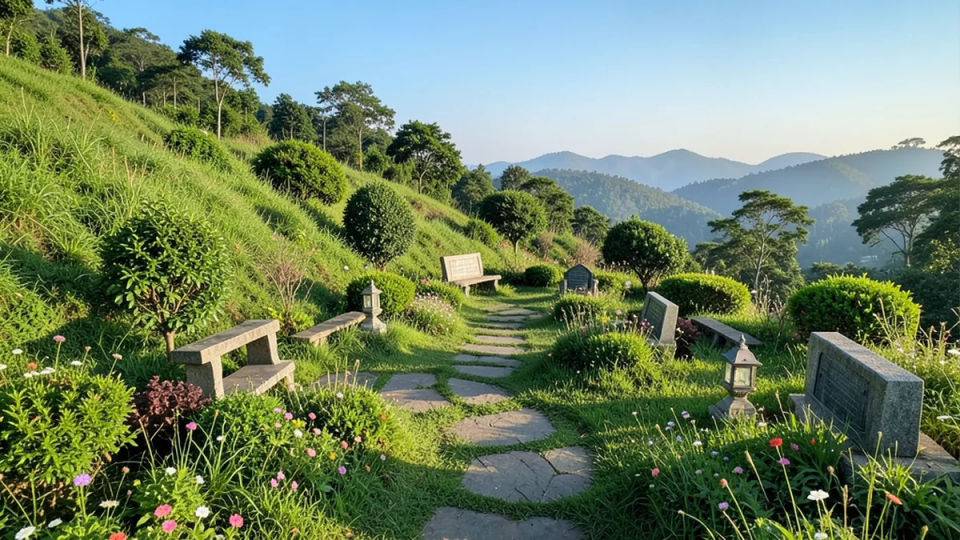
The formal repatriation agreement in Oxford concluded six years of collaborative discussions between university leadership and Naga community representatives. Reverend Doctor Wati Aier signed the official transfer documentation on behalf of the Forum for Naga Reconciliation during the gathering. Initiative coordinator Ellen Konyak joined the delegation to participate in the formal handover procedures before the remains traveled onward to Dimapur. Oxford University governing authorities sanctioned the return of the 39 ancestral remains following an institutional determination on July 13, 2026. Community members plan to establish a dedicated resting site in Nagaland to provide a peaceful and permanent resting ground for the ancestors. The Forum for Naga Reconciliation and its Recover, Restore and Decolonise team are collaborating with tribal Hohos, elders, and churches to establish protocols for the care and resting of repatriated ancestors, according to Pitt Rivers Museum.