
NCB and DEA Bust US-Bound Opioid Syndicate in Four-City Raids
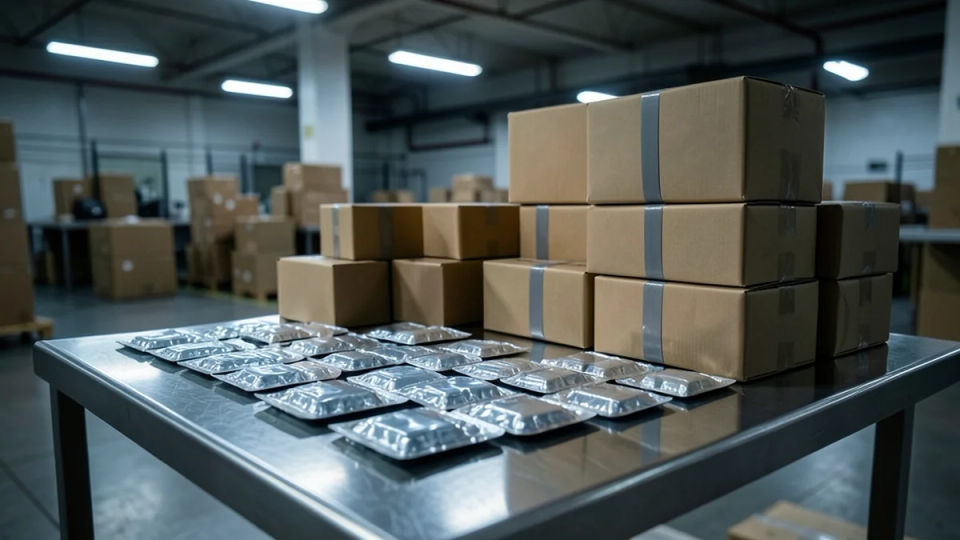
Six suspects were detained during joint operations conducted by India's Narcotics Control Bureau alongside the US Drug Enforcement Administration throughout Delhi, Hyderabad, Kolkata, and Lucknow on November 4 and November 13, dismantling a syndicate alleged to send opioids and psychotropic substances to purchasers in the United States. Code-named Operation Monsoon Thunder, the probe uncovered records indicating the syndicate handled nearly 3,000 parcels containing roughly five lakh tablets between June 2022 and November 2026.
Arrested Operatives and Active Seizures
Arti Soni of Lucknow in Uttar Pradesh, Abdul Muttalib (also known as Rocky or Monio) of Kolkata in West Bengal, and Talabathula Manoj of Allapur in Hyderabad were among six individuals arrested during the raids, according to [TOI]. During the investigation, the NCB flagged active US-bound consignments holding more than 1,500 tablets and passed intelligence to the DEA, which seized two shipments. Authorities also recovered digital files and pharmaceutical brand details from an arrested operative pointing to potential sourcing from several countries, prompting further checks into how the substances were procured and moved through international supply chains. On May 25, 2025, NCB officers intercepted a car in Delhi and seized 3.7 kilograms of Tramadol tablets in a probe into illicit pharmaceutical sales to the US, Europe, and Australia, according to Press Information Bureau. The DEA will conduct intelligence analysis on the approximately 59,000-customer dataset and allocate dedicated resources to disrupt the illicit pharmaceutical network in the US, according to Outlook India.
Digital Ordering, Postal Delivery, and Payment Trails
Investigators found that operators in India accepted orders over messaging platforms including Telegram, Skype, and WhatsApp, while US-based associates dispatched deliveries through postal and courier services including the United States Postal Service (USPS). The group coordinated shipments and buyer details through shared digital records such as Google Sheets, where authorities uncovered a database covering more than 59,000 individuals with transaction histories, delivery addresses, USPS tracking numbers, and drug categories. Over the past year, the NCB and DEA conducted joint operations including simultaneous raids, and on November 1 and 2, 2026, Indian and US counter-narcotics chiefs met in New Delhi to strengthen intelligence sharing, according to Hindustan Times.
Financial tracing showed that the India-based operators received commissions and payments through hawala channels, third-party bank accounts, cryptocurrency, Unified Payments Interface (UPI), and Venmo. Both agencies are continuing to examine digital files alongside financial transactions and shipping logs to trace illicit proceeds, identify ultimate beneficiaries, and map the wider structure of the network.