
INS Samarthak Commissioned at Karwar as Navy Expands Indigenous Shipbuilding
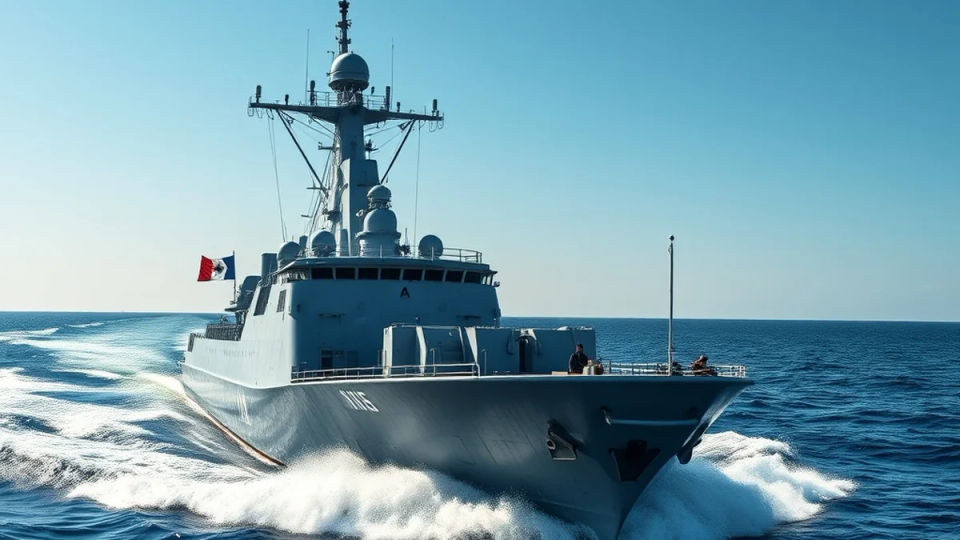
The Indian Navy commissioned INS Samarthak at Karwar, Karnataka, on October 16, 2026. Built by Larsen & Toubro, it is the first of a planned class of indigenous multi-purpose vessels designed to undertake surveillance, trials and support assignments. Vice-President C. P. Radhakrishnan presided over the ceremony. The Navy's release identified Admiral Krishna Swaminathan as Chief of the Naval Staff in attendance, correcting a conflicting name in the earlier export.
What a multi-purpose vessel does
Samarthak is not limited to one combat role. According to the Ministry of Defence, its intended duties include maritime surveillance, patrols, deployment and recovery of test targets, support for uncrewed systems, humanitarian assistance and disaster relief. A ship designed to test new equipment can serve naval development by giving engineers a real maritime environment in which to evaluate hardware and procedures before wider adoption.
The vessel may also assist with salvage and, in a limited configuration, hospital-support tasks. These functions require mission-specific preparation and should not be described as equivalent to having dedicated specialist ships permanently deployed for every purpose. The word 'commissioned' marks the vessel's formal induction into naval service; it is not evidence that every envisaged mission capability has already been demonstrated in an operation.
Why its construction matters
The defence ministry describes the ship as an important milestone for domestic private-sector shipbuilding. More than three quarters of its content is reported to be indigenous, a useful measure of local sourcing but not a declaration that every major system was designed and produced in India. Construction at a domestic yard also supports local skills in integration, repair and later maintenance.
The Navy expects several vessels in this class. Their longer-term value will depend on operating availability, reliability and successful completion of the trials and support duties for which they were acquired. The commissioning is a concrete programme milestone; broader claims of complete maritime self-reliance remain strategic ambitions rather than an accomplished result.