
Navy Commissions Anti-Submarine Warfare Craft INS Mangrol in Mumbai
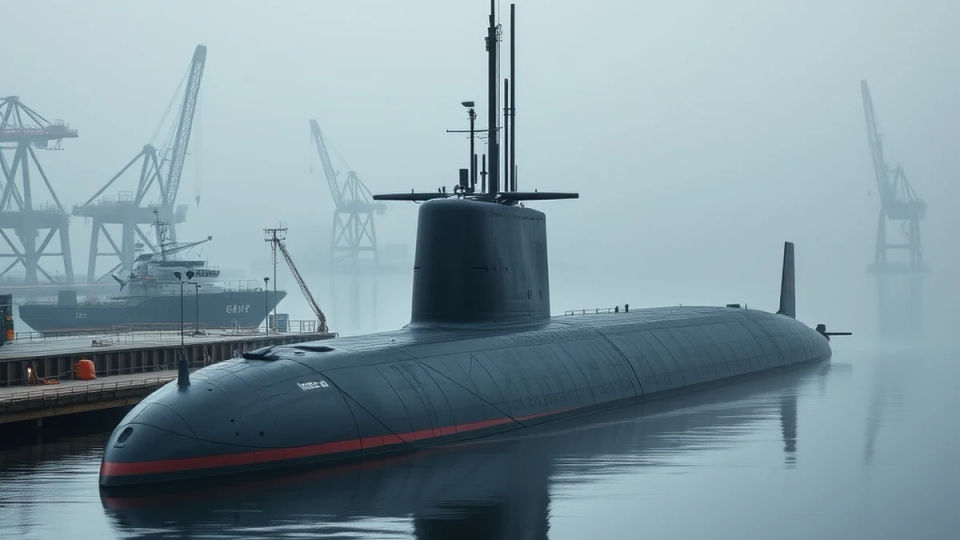
The Indian Navy formally commissioned INS Mangrol, its third indigenous Anti-Submarine Warfare Shallow Water Craft, at the Naval Dockyard in Mumbai. Constructed by Cochin Shipyard Limited, the warship represents a crucial addition to national capabilities for detecting and countering subsurface threats in coastal zones. Vice Admiral Sanjay Vatsayan, Flag Officer Commanding-in-Chief of the Western Naval Command, presided over the commissioning ceremony.
Indigenous Engineering and Modernization Targets
Vice Admiral Vatsayan emphasized that the vessel incorporates more than 80 percent indigenous content across hull construction and onboard systems. The warship was built by Cochin Shipyard under the Union government's Make in India and Aatmanirbhar Bharat manufacturing initiatives. Highlighting the rapid expansion of the fleet, Vatsayan disclosed that ten warships were commissioned in 2026, with another eight vessels expected soon. By 2034, approximately 60 percent of the Indian Navy's operational platforms are projected to maintain an average service age under ten years.
Heritage and Gujarat Coastal Legacy
The vessel is named after the coastal town of Mangrol in Gujarat's Junagadh district, renowned as a prominent regional fishing harbour. The warship carries forward the operational legacy of the erstwhile INS Mangrol, a naval minesweeper that served the fleet until April 7, 2004. Commissioning attendees included senior naval commanders, representatives of the Ministry of Defence, shipyard executives, and indigenous equipment manufacturers.
Combat Sensors and Anti-Submarine Weaponry
To detect and neutralize hostile submarines, INS Mangrol is equipped with the advanced indigenous Abhay hull-mounted sonar suite. The ship's offensive arsenal features lightweight torpedoes and an indigenous anti-submarine rocket launcher designed for shallow-water engagements. Defensive capabilities are anchored by the Mareech Advanced Torpedo Decoy System, which diverts incoming enemy acoustic torpedoes. The vessel is propelled by three diesel engines driving waterjet propulsion units configured for agile manoeuvrability in shallow waters.
Littoral Defence and Multirole Mission Profile
Beyond specialized anti-submarine warfare, the platform is certified to undertake subsurface surveillance, low-intensity maritime missions, and mine countermeasure operations. The craft will reinforce naval protection across strategic commercial ports, naval bases, and littoral approaches where larger destroyers face shallow-depth constraints. With subsurface risks growing across regional maritime corridors, the induction underscores the critical role of domestic shipyards in meeting naval force structure goals. Built with over 80 percent indigenous content, Mangrol showcases the nation's expanding capabilities in modern warship construction and weapon integration. Naval authorities noted that the advanced vessel is purposefully engineered to confront evolving tactical challenges in contemporary maritime security. The program highlights the expanding contributions of domestic defense shipyards and industrial manufacturers in satisfying operational naval fleet requirements.
Why shallow-water warfare needs a dedicated ship
An anti-submarine craft designed for coastal waters does a different job from a large blue-water destroyer. Near ports, shallow depths, background noise and commercial vessel movements can complicate the identification of underwater contacts. A smaller platform equipped with sonar and locally appropriate weapons lets a navy patrol these approaches without assigning a much larger vessel to every mission. Sonar detects or tracks contacts; it does not by itself establish that an unidentified object is a hostile submarine.
Mangrol's commissioning on October 12, 2026 adds a platform to the fleet, but full operational effectiveness depends on crew work-up, maintenance support, weapons integration and exercises. The distinction between delivery, commissioning and sustained deployment matters when assessing naval readiness. Its indigenous-content percentage also describes sourcing, not a claim that every sensor or component was developed domestically.