
Kharge Urges PM Modi to Convene All-Party Meeting on Delimitation
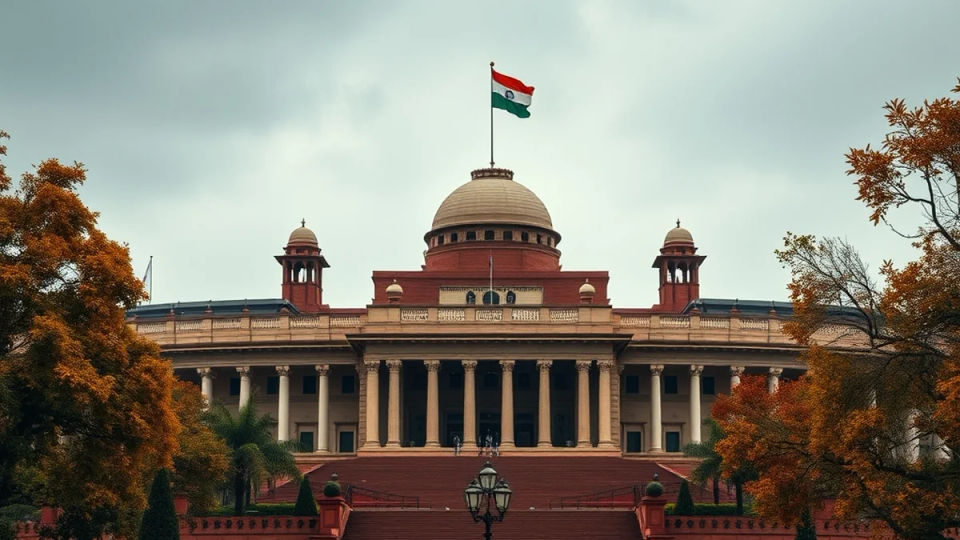
Congress president and Leader of Opposition in the Rajya Sabha Mallikarjun Kharge dispatched a fourth formal communication to Prime Minister Narendra Modi on Friday, October 16, 2026, urging broad political consensus. Kharge formally requested the central government to convene an immediate all-party meeting to review upcoming delimitation proposals before drafting legislative amendments for introduction in Parliament. The opposition leader cautioned the ruling administration against attempting to push through a far-reaching constitutional measure without prior cross-party deliberations. Kharge warned the government against attempting to bulldoze a far-reaching Constitutional Amendment Bill without adequate consultation.
Concerns Over Parliamentary Prorogation Delays
In his correspondence, Kharge raised institutional concerns regarding an unprecedented 64-day duration since Parliament's Monsoon Session adjourned sine die on August 13, 2026, without formal prorogation. The Congress chief observed that delaying the formal presidential prorogation of Parliament creates procedural ambiguity regarding legislative agendas and session reconvening protocols. Opposition parties noted that keeping sessions technically active without formal closure hinders transparency ahead of expected constitutional maneuvers.
Chronology of Prior Representation and Legislative Deadlocks
The communication marks Kharge's fourth written appeal to the Prime Minister on the subject, following earlier letters dispatched on April 11, July 16, and August 27. Kharge recalled that all three prior requests for an all-party consultative dialogue remained unaddressed by the executive branch. The dispute stems from the earlier Delimitation Constitutional Amendment Bill introduced in April, which failed to secure the mandatory two-thirds majority in the Lok Sabha on April 17.
Southern State Concerns and Federal Representation
Regional parties across peninsular India have voiced apprehension that population-based seat reapportionment could severely penalize states that successfully controlled demographic expansion. Opposition leaders argue that reallocating parliamentary constituencies strictly by census population metrics risks eroding southern legislative weight in national policymaking. Kharge stressed that any restructuring of constitutional boundaries requires transparent multi-party consensus to protect India's federal balance. Kharge maintained that all recognized political parties must be allocated sufficient time to deliberate among themselves and engage regional stakeholders before statutory boundaries change.
Treasury Bench Reactions and Political Responses
Ruling alliance partners responded with qualified support for constructive parliamentary dialogue regarding electoral constituency boundaries. Shiv Sena leader Shaina NC welcomed Kharge's initiative in writing to the Prime Minister while emphasizing that opposition parties should participate constructively during regular parliamentary sessions. Shaina NC argued that while dialogue is welcome, opposition lawmakers should prioritize attending floor debates rather than protesting outside Parliament during working sessions. Political observers anticipate that the timing of the upcoming national census will dictate the pace of government moves to revive the delimitation bill.
What delimitation would change
Delimitation redraws constituency boundaries and can change how representation is distributed, subject to the applicable constitutional and statutory framework. It is different from a revision of voter rolls: one concerns where seats and constituency boundaries are allocated; the other concerns who is registered to vote. Linking the two politically does not mean they operate under the same legal process. Women's reservation adds another layer because implementation arrangements intersect with constituency allocation.
Kharge has urged an all-party process, arguing that changes of such national significance require consultation. The government and its supporters may emphasise representation in line with population changes and the need to fulfil pending commitments. None of these positions alone determines the content of a bill not yet enacted. Readers should look for the actual draft law, constitutional authority, proposed census base, effect on states and implementation timetable rather than treating a meeting request as an official delimitation decision.