IRCTC Deactivates 3 Crore User IDs in Major Anti-Bot | The Indus Pulse
By The Indus Pulse India Desk 12 Sept 2026, 06:18 PM 4 min readindia
IRCTC Deactivates Over Three Crore User IDs and Suspends 6.33 Million Accounts in Major Bot Crackdown
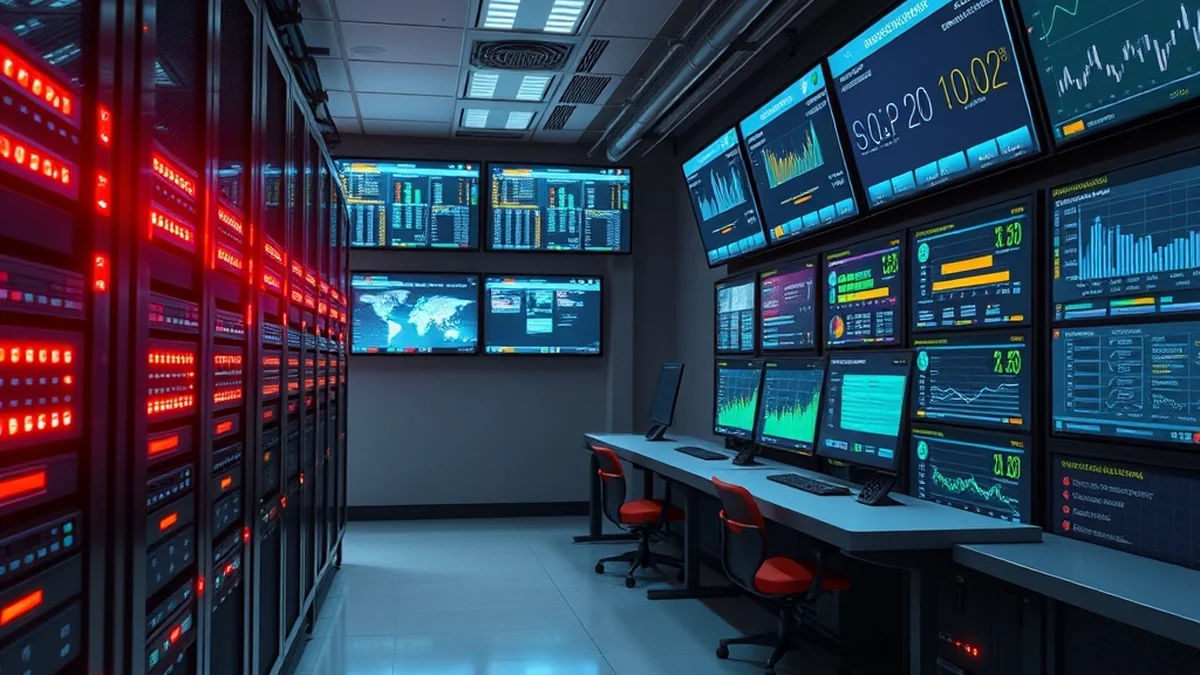
AI Illustration
The Bottom Line
•The Indian Railway Catering and Tourism Corporation deactivated 3.04 crore user IDs and suspended 6.33 million accounts to curb fraudulent ticket booking by unauthorized agents.
•IRCTC recorded an all-time high of 20,06,353 daily ticket bookings on September 7, driven by upgraded server capacity and a new user interface launched in July.
•Union Railway Minister Ashwini Vaishnaw reported a 90 percent reduction in train accidents backed by a 1.2 lakh crore rupee safety investment and the addition of 1,024 new trains.
The Indian Railway Catering and Tourism Corporation (IRCTC) has deactivated 3.04 crore user accounts and suspended an additional 6.33 crore IDs citing suspicious automated activity, marking a sweeping enforcement action to secure the national railway ticketing infrastructure ahead of the peak festive travel season. The unprecedented digital sweep comes as the state-run platform processes historic booking volumes, having recently breached the 20-lakh single-day ticket booking threshold for the first time in its operational history.
According to official data released by the railway public sector undertaking, the massive account purge is designed to dismantle unauthorized booking agents and automated bots that manipulate reservation windows to corner inventory. IRCTC Chairman and Managing Director Rahul Himalian noted that third-party digital platforms, including prominent private business associates, account for nearly 28 percent of all online railway tickets booked across the country. In an interview detailing the distribution network, Himalian stated, "28% are through the business associates through B2C, B2B, ICS platform, whether it is MakeMyTrip, Paytm, ixigo, ConfirmTkt."
Advanced Anti-Bot System Deployed
The implementation of an advanced anti-bot architecture has successfully reduced suspicious automated traffic by 55 percent to 65 percent, according to system performance reports. To further safeguard the reservation process during peak traffic windows, IRCTC has barred authorized ticketing agents from booking tickets during the critical first ten minutes after reservations open, specifically restricting them between 8:00 AM and 8:10 AM. Additionally, Aadhaar verification has been made compulsory for individual users booking tickets as soon as the reservation window opens to prevent bulk acquisition through synthetic identities.
The sweeping regulatory and technical measures coincide with a major surge in public demand. On September 7, IRCTC recorded an all-time high of 20,06,353 ticket bookings, crossing the 20-lakh single-day mark for the first time. Booking momentum remained elevated on September 8 with 19,50,699 tickets booked, representing a six percent increase over the previous year's festive single-day peak of 18,40,203 tickets.
Upgraded Infrastructure Powers Record Surge
To manage the heavy festive rush and prevent platform crashes that historically plagued high-demand booking windows, IRCTC deployed new servers that nearly doubled the capacity of its online reservation system. The technical upgrades supported a seamless user experience on July 15, when the platform launched a redesigned website and user interface allowing passengers to check seat availability across multiple travel classes simultaneously on a single screen.
Approximately 89 percent of all reserved railway tickets are currently booked online, reflecting a profound shift in consumer behavior toward digital channels. Official figures indicate that the IRCTC Rail Connect App commands 53 percent of online bookings, while the official website accounts for 17 percent, government arrangements represent roughly two percent, and private business associates process the remaining 28 percent of digital transactions.
Parliament Briefing Highlights Capacity Expansion
Union Railway Minister Ashwini Vaishnaw addressed passenger capacity during Question Hour in the Lok Sabha, informing lawmakers that around 1,024 new trains have been introduced across the national network in the post-COVID period. Alongside the expanded train fleet, 4,651 new coaches have been integrated into existing services to accommodate rising passenger traffic.
Emphasizing the social mandate of the national transporter, Mr Vaishnaw stated that railways serve as the primary mode of transport for the poor and middle class, with the government prioritizing affordable and accessible mobility solutions. The minister noted that 78 percent of total seats across the national train network belong to general and sleeper categories, ensuring subsidized access for budget-conscious commuters.
Enhanced Safety Investments and Incident Reduction
Addressing parliamentary inquiries regarding network security, Railway Minister Ashwini Vaishnaw reported that train accidents have decreased by 90 percent due to a sustained institutional focus on safety protocols. The national transporter has committed an extensive financial allocation of one lakh 20 thousand crore rupees specifically directed toward safety infrastructure enhancements.
The combination of infrastructural overhauls, rigorous account verification audits, and stringent bot mitigation measures forms the core of the government's strategy to stabilize railway operations. As the festive travel period intensifies, transport authorities maintain that these stringent controls will protect genuine commuters from inflated black-market pricing operated by unauthorized middlemen.
The Indus Pulse is committed to accuracy and transparency.