
14 Sept 2026, 04:18 PM 3 min readindia
India Secures Wider EU Steel Quota Under Free Trade Agreement While Carbon Levies Remain
Sources & Citations
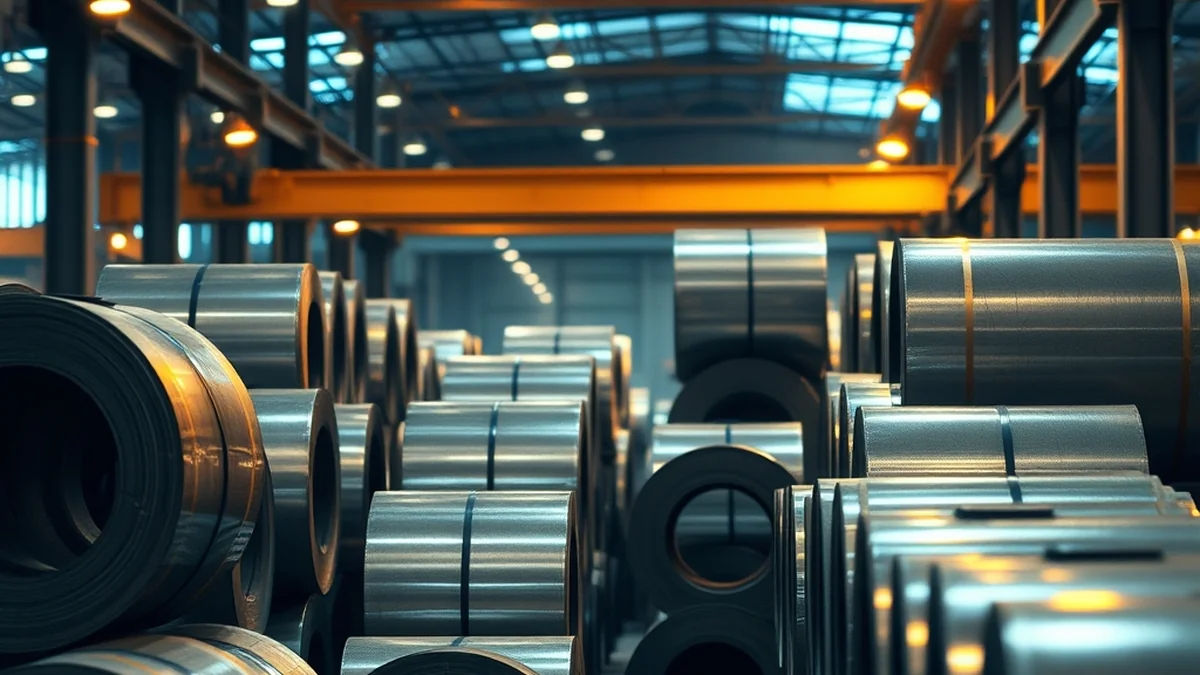
Indian steel exporters are slated to receive an expanded preferential export quota of 1.64 million metric tons annually under an upcoming free trade agreement with the European Union, according to the newly released legal text of the pact. The arrangement grants an additional preferential quota of 694,853 tons on top of an established 946,616 ton World Trade Organization quota, widening market access for domestic mills. Independent trade analysis indicates that the combined quota represents approximately 68.4% of India's total 2.4 million tons of steel shipments dispatched to the European bloc during 2025, marking a significant volume expansion compared to the 39.4% coverage afforded by the previous standalone quota.
Despite the broader access secured within the trade pact, shipments exceeding the newly defined quota thresholds will face steep protectionist duties. According to an evaluation by the Global Trade Research Initiative based on the published legal terms, any export volume surpassing the combined quota will encounter a 50% tariff imposed by the European Union. Furthermore, the preferential volume allocations do not provide any exemption from the European Union's Carbon Border Adjustment Mechanism, meaning all incoming Indian steel shipments remain fully subject to carbon-related costs that analysts estimate could average around 35% of product value once fully implemented.
Allocation Structure and Product Breakdown
Within the distribution framework, the vast majority of the preferential quota volume has been earmarked for flat-steel products, reflecting export patterns to the European market. Hot-rolled sheets and strips command the single largest share within the allocation structure, securing 509,605 tons of the available preferential space. The remainder of the quota volume is distributed across qualifying product categories, ensuring that primary flat-rolled suppliers capture the core benefit of the expanded bilateral access.
The operational mechanics of the trade pact dictate that these expanded quotas will take effect formally once the India-European Union free trade agreement enters into force. The implementation timeline is currently projected by trade monitors to occur by the end of the year. Utilization of the quota remains strictly contingent upon satisfying detailed product coverage definitions, adherence to strict rules of origin criteria, and continuous tracking of physical quota availability at European customs points.
Commerce Ministry Advances Faceless Trade Infrastructure
In tandem with international trade negotiations, domestic administrative reforms are underway to streamline export and import processing workflows. The Union Commerce Ministry has initiated steps to establish a dedicated Central Processing Department within the Directorate General of Foreign Trade to administer a comprehensive faceless trade facilitation system designed to enhance ease of doing business.
According to an official office memorandum issued by the Directorate General of Foreign Trade, the newly formed central unit will be situated at the central licensing area in New Delhi. The administrative infrastructure is slated for formal dedication to the nation during the second fortnight of October 2026. The framework aims to eliminate regional jurisdiction bottlenecks by enabling paperless and decentralized processing for trade applicants nationwide.
To staff the newly established processing department, administrative deployments have already commenced with 53 senior Directorate General of Foreign Trade officers transferred or posted to the Delhi headquarters and regional nodes. The designated personnel roster comprises five joint Directors General of Foreign Trade, 10 Deputy Directors General of Foreign Trade, and seven assistant Directors General of Foreign Trade to manage the electronic trade application workflows.
Sources & Citations
The Indus Pulse is committed to accuracy and transparency.