
IIT Kharagpur Becomes First IIT to Offer National Medical Commission Accredited MD Degrees
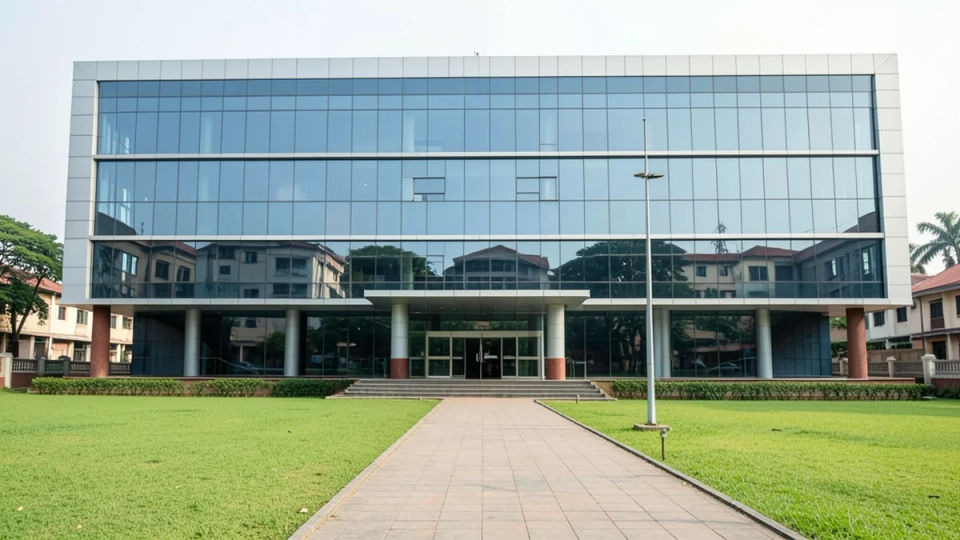
The Indian Institute of Technology Kharagpur has introduced postgraduate medical degree programmes accredited by the National Medical Commission, marking the first entry of the IIT system into clinical medical education, according to NDTV. Starting from the 2026-27 academic session, the institute will admit its inaugural cohort of medical postgraduates at the Dr BC Roy Multi-Speciality Medical Research Centre. Admissions for the newly established courses will be conducted through the NEET-PG 2026 online counselling process. Candidates participating in national medical admissions will be eligible to select these clinical programmes during Round 2 counselling in accordance with official schedules. Applicants should review the Medical Counselling Committee portal for updates regarding seat availability, choice filling, and admission procedures.
Specialisations and Seat Matrix
The institute received regulatory accreditation from the National Medical Commission following an application submitted in March, according to ThePrint. The academic rollout encompasses six distinct Doctor of Medicine specialisations offering a combined total of 12 seats. Under the established seat matrix, two seats each are allocated to General Medicine, Radiology, Physiology, Pathology, Community Medicine, and Biochemistry. The initiative establishes the first cohort of postgraduate doctor trainees operating within an Indian Institute of Technology campus. The institute seeks to provide an interdisciplinary learning environment that extends beyond conventional clinical training. In August 2026, IIT Kanpur received a ₹400 crore donation to expand its medical school and 450-bed super-specialty hospital to offer postgraduate medical programmes, according to The Hindu.
Engineering Integration and Healthcare Technology
The clinical programmes are designed to integrate hospital training with the institute's research capabilities in artificial intelligence, bioengineering, and microfluidics. Enrolled resident doctors will engage with computational pathology, advanced medical imaging, molecular diagnostics, and medical device design. IIT Kharagpur Director Professor Suman Chakraborty stated that the institution seeks to establish an ecosystem combining clinical excellence, engineering ingenuity, and translational research. Chakraborty said the institution intends to shape the future of medicine rather than merely follow it. He added that the curriculum aims to train physician-scientists capable of developing innovative solutions for complex healthcare challenges.
Institutional Context and IIT System Precedents
Established in 1951 as India's first Indian Institute of Technology, the campus framed the medical expansion as supporting national healthcare initiatives under Viksit Bharat 2047. The vision emphasizes accessible, affordable, and technology-enabled medical services, particularly for underserved communities across India. While other technology institutes have launched interdisciplinary healthcare ventures, Kharagpur is the only IIT offering clinical MD qualifications. In May 2023, IIT Madras established its Department of Medical Sciences and Technology with the aim of offering a four-year bachelor of science program in medical sciences. Meanwhile, IIT Jodhpur conducts joint medical technology programmes with AIIMS Jodhpur, and IIT Delhi operates an MS research course in healthcare technology.