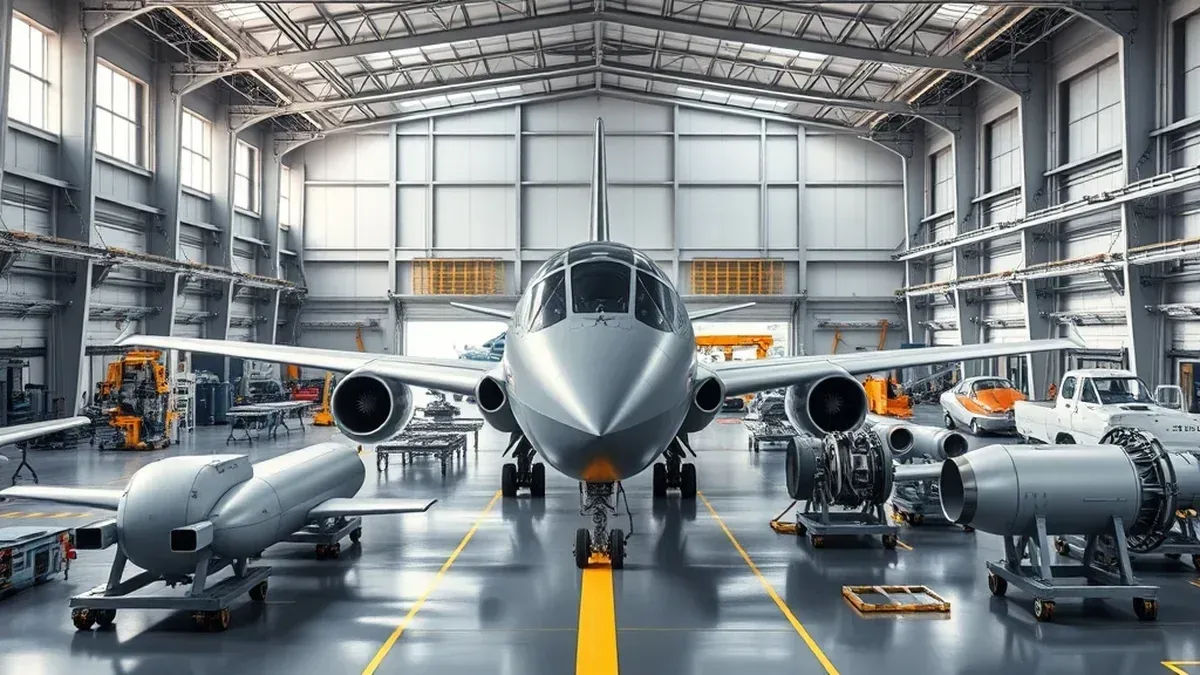
Hindustan Aeronautics Limited (HAL) has received three additional F404-IN20 engines from GE Aerospace, marking a incremental step in the ongoing effort to accelerate the production of the Light Combat Aircraft (LCA) Tejas Mk1A. The arrival of these units brings the total number of engines delivered to HAL to ten, providing a modest but necessary boost to the assembly line for India’s indigenous fighter jet program. The delivery, which occurred in August 2026, follows a period of significant supply chain constraints that have hampered the delivery schedule of the aircraft to the Indian Air Force.
Engine availability remains the primary bottleneck for the Tejas Mk1A project, as HAL has repeatedly stated that its production facilities are fully operational and prepared to scale output. The Indian Air Force has placed a substantial order for 180 of these single-engine fighters, making the consistent delivery of the GE-manufactured powerplants a critical factor in the program's overall success. The latest shipment is part of a broader contract signed in 2021 for 99 engines, valued at approximately Rs 5,375 crore.
Supply Chain Recovery and Production Milestones
The delivery of these three engines represents a tangible outcome of GE Aerospace’s efforts to restart a production line that had been dormant for five years. Following the completion of an earlier commitment to supply 65 engines by 2016, the F404-IN20 line was shut down due to a lack of further orders. The 2021 contract for 99 units necessitated a complex re-engagement of the global supply chain, a process that has been central to the current production challenges.
GE Aerospace has emphasized the collaborative nature of this effort, noting that its teams worked closely with the Aeronautical Development Agency and HAL to tailor the engine specifically for the Tejas platform. The F404-IN20 is distinguished within the F404 family by its higher-thrust capabilities, a higher-flow fan, and the use of specialized single-crystal turbine blades. These technical modifications were essential to meet the specific performance requirements set by the Indian Air Force for its indigenous fighter fleet.
Contractual Pressures and Delivery Targets
The ongoing supply issues have led to a strained relationship between the manufacturer and the state-run aerospace firm. HAL has confirmed that its contract with GE Aerospace includes provisions for liquidated damages, which are to be imposed in the event of delivery delays. This contractual mechanism serves as a safeguard for the Indian defense program, ensuring that the manufacturer remains accountable for meeting the agreed-upon production timelines.
Despite these tensions, there is a stated expectation of improved delivery rates in the coming months. Former HAL Chairman DK Sunil noted in April 2026 that GE had provided assurances regarding the delivery of 20 engines during the second half of the year. This target, which covers the period from June to December 2026, is viewed by HAL as a conservative estimate, with the hope that the manufacturer will exceed this figure as the supply chain stabilizes.
Strategic Importance of the Tejas Mk1A Program
The Tejas Mk1A is a cornerstone of India's defense modernization strategy, intended to bolster the Indian Air Force's combat capabilities with a locally manufactured, single-engine platform. The aircraft's performance, which saw it reach speeds of Mach 1.1 during its initial test flights in 2008, has been consistently validated by its operational history. The current focus is on transitioning from development and testing to large-scale production and fleet induction.
GE Aerospace has characterized the recent engine deliveries as a testament to a 40-year partnership with HAL, framing the milestone as a symbol of the combined potential to secure India's military future. By enhancing domestic defense manufacturing capabilities, the program aims to reduce reliance on foreign platforms while simultaneously upgrading the technological sophistication of the Indian Air Force's inventory. The success of this program is viewed as a critical benchmark for India's broader ambitions in the aerospace and defense sectors.
Future Outlook and Unresolved Challenges
While the receipt of three additional engines is a positive development, the program remains under pressure to meet the delivery requirements for the 180 aircraft ordered by the Indian Air Force. The pace of production will continue to be dictated by the frequency and volume of engine shipments from GE Aerospace. HAL officials have maintained that their production line is ready to absorb these engines as they arrive, but the overall timeline for the full induction of the Tejas Mk1A fleet remains subject to the stability of the engine supply chain.
Questions regarding the long-term sustainability of the F404 production line and the potential for further delays persist. As HAL continues to monitor the delivery schedule, the focus will remain on whether GE Aerospace can maintain the momentum required to meet the 20-engine target for the second half of 2026. The resolution of these supply constraints will be the defining factor in determining when the Indian Air Force can achieve its full operational strength with the Tejas Mk1A fleet.