
Bihar Cabinet Approves Green Hydrogen Policy to Attract Rs 16,000 Crore Investment
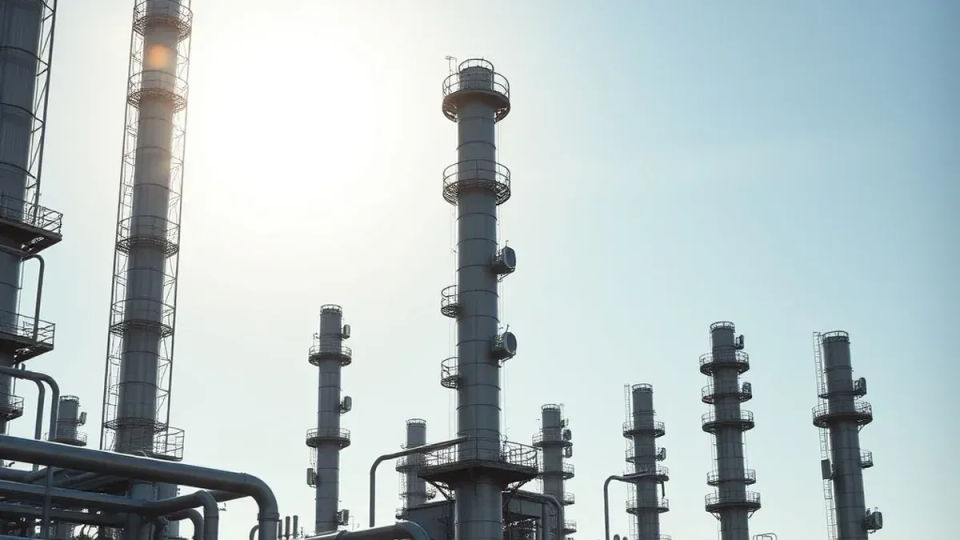
The Bihar Cabinet has officially approved the draft Bihar Green Hydrogen Policy, 2026, setting a target to produce 100,000 tonnes of green hydrogen annually by 2031. The decision was taken during a cabinet meeting chaired by Chief Minister Samrat Choudhary on Wednesday, September 30, 2026, in Patna.
The policy aligns with the central government's National Green Hydrogen Mission launched in 2023, aiming to decarbonize state industries and reduce natural gas import dependencies. Cabinet Secretariat Department Additional Chief Secretary Arvind Kumar Chaudhary briefed reporters following the meeting, outlining sweeping infrastructure and industrial targets for the state.
Production Targets and Capacity Goals
Under the newly endorsed framework, the state aims to establish 1 gigawatt of electrolyser manufacturing and generation capacity alongside approximately 2.5 gigawatts of dedicated renewable energy capacity through green hydrogen and its derivative projects. State officials project that these ventures will attract investments totaling approximately 16,000 crore rupees while generating around 12,000 direct and indirect employment opportunities.
The Bihar Renewable Energy Development Agency has been officially designated as the nodal implementing agency for the policy. The framework encompasses the entire value chain, including production, consumption, market creation, and specialized electrolyser manufacturing across the state.
Aviation Fuel Tax Reductions and Regional Connectivity
In addition to the green energy initiative, the cabinet revised aviation turbine fuel tax structures to bolster regional connectivity. The Value Added Tax rate on aviation turbine fuel at Regional Connectivity Scheme concessional airports was slashed from one percent to zero percent.
State officials noted that aircraft turbine fuel taxes were previously lowered from 29 percent to a uniform four percent in June 2025. The latest exemption aims to boost regional flight frequencies and stimulate the wider state economy by lowering operating overheads for carriers serving local airports.
Healthcare Support and Administrative Approvals
Moving to address public health and institutional governance, the cabinet approved the Mukhya Mantri Hemophilia Yojana under the Chief Minister's Medical Assistance Fund. The specialized healthcare initiative targets the state's 255 registered hemophilia patients by funding the administration of the specialized drug Emicizumab to manage uncontrolled bleeding complications.
Simultaneously, the administration greenlit administrative staffing structures for emerging specialized higher education institutions. The cabinet approved 34 administrative and officer positions each for the Dr. Syama Prasad Mookerjee Artificial Intelligence and Computer Science University in Bhagalpur and the Shaheed Jubba Sahni University of Architecture and Civil Engineering in Muzaffarpur, alongside contractual staffing for regional museums.
Law Enforcement Resource Allocations
To manage public order and large public gatherings, the cabinet sanctioned financial outlays for specialized security equipment. Administrative approval was granted to procure 30 water cannons priced at 88 lakh rupees per unit alongside 86 Vajra crowd-control vehicles priced at 42 lakh rupees per unit.
The combined equipment procurement totals 62.52 crore rupees, comprising 26.40 crore rupees for water cannons and 36.12 crore rupees for specialized vehicles. These assets are intended for deployment during festivals, state fairs, election rallies, and official visits by distinguished dignitaries.
What a hydrogen investment target represents
The ₹16,000 crore figure describes an ambition to attract investment; it is not capital already spent or a guarantee of operating plants. Green hydrogen economics depend heavily on electricity cost, renewable supply, electrolyser utilisation, water management and committed buyers. For Bihar, a credible assessment would track named projects, financing closures, land and power arrangements and actual production volumes. The broader policy case should be tested against jobs created and emissions avoided, not the face value of memorandum announcements. Buyers will also need a verified definition of how the hydrogen is produced.