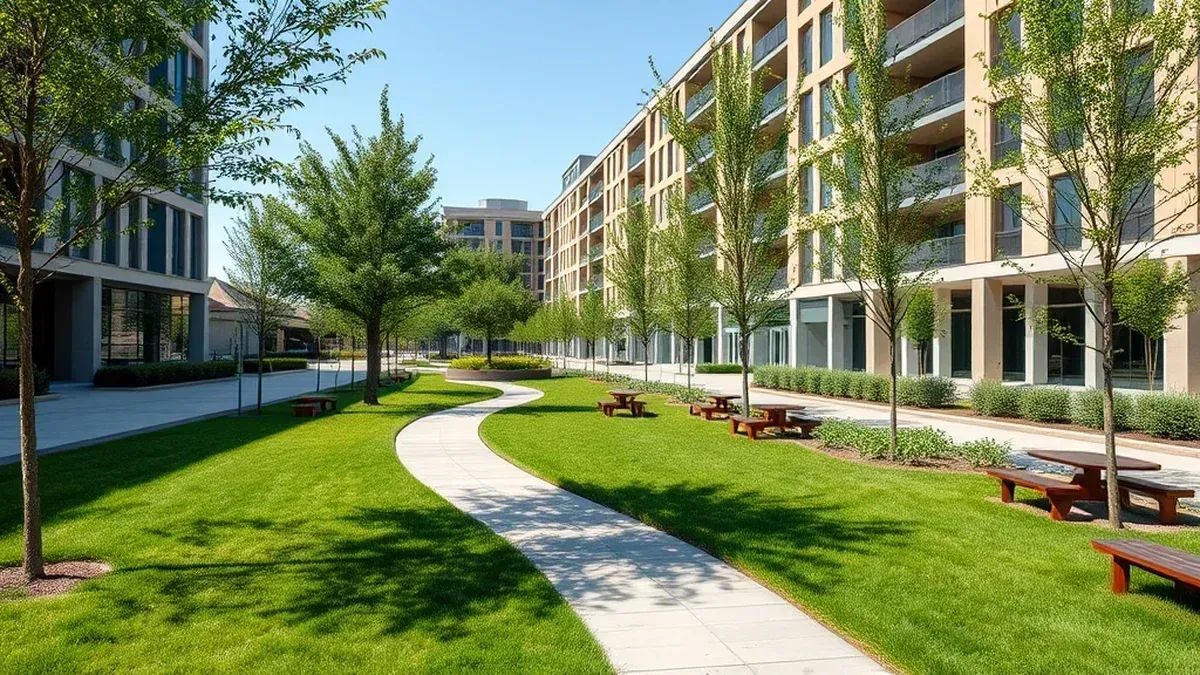
The Bruhat Bengaluru Mahanagara Palike (BBMP) has officially dedicated the sprawling Kuvempu Cultural Theme Park to the public in HBR Layout, northern Bengaluru. Developed with an initial municipal capital outlay exceeding ₹14 crore, the thematic urban green sanctuary is dedicated to celebrating the life, literary works, and universal humanist philosophy of Karnataka's revered national poet (Rashtrakavi) Kuppali Venkatappa Puttappa, celebrated universally by his pen name Kuvempu.
Spanning over 6.5 acres of revitalized municipal land that previously lay underutilized, the cultural park represents a sophisticated urban renewal initiative combining environmental sustainability, native biodiversity conservation, and public cultural education. Featuring curated open-air bronze sculptural installations depicting iconic scenes from Kuvempu’s magnum opus *Sri Ramayana Darshanam*, an acoustically treated outdoor amphitheatre, and extensive rain-water harvesting infrastructure, the park establishes a new urban design benchmark for civic recreational spaces in Bengaluru.
Celebrating the Legacy of Rashtrakavi Kuvempu
Rashtrakavi Kuvempu remains the towering intellectual and literary icon of modern Karnataka, revered as the first Kannada writer to receive the prestigious Jnanpith Award in 1967. Beyond his monumental poetic accomplishments, Kuvempu was a passionate champion of social equality, rationalism, and scientific temper, famously articulating the ideal of 'Vishwa Manava' (The Universal Human), which urges humanity to transcend divisive boundaries of caste, creed, language, and geography.
The theme park is deliberately designed to embody this inclusive philosophical outlook. The entrance promenade features a grand granite gateway inscribed with Kuvempu’s universal prayer, leading visitors along an educational walkway lined with weather-resistant stone plaques detailing key milestones in his life, his formative years in the Malnad rainforests of Shivamogga, and his historic leadership as Vice-Chancellor of the University of Mysore.
Thematic Zones, Sculptural Installations, and Cultural Spaces
The park’s master landscape architecture, designed by leading urban heritage architects in collaboration with the Kannada Sahitya Parishat, is divided into four distinct thematic sectors:
1. The Darshana Amphitheatre: An open-air stepped amphitheatre with a seating capacity of over 600, engineered for community theatre performances, literary symposia, classical music recitals, and poetry workshops. The stage backdrop incorporates living green vertical garden walls and subtle warm lighting systems optimized for low evening energy consumption.
2. The Sahitya Forest (Malnad Trail): Recreating the lush flora of Kuvempu’s native Western Ghats, this section features hundreds of native indigenous trees, medicinal shrubs, and bamboo groves surrounding shaded reading pergolas where visitors can access a catalog of Kannada literary classics via public outdoor book kiosks.
3. The Sculptural Heritage Courtyard: Highlighting monumental bronze and terracotta sculptures created by celebrated state artisans, illustrating celebrated moments from Kuvempu’s epic poems, plays like *Beralge Koral*, and novels such as *Kanooru Heggadithi*.
4. The Navodaya Children’s Zone: An interactive, eco-friendly play area incorporating sensory nature trails, wooden play structures, and interactive literary puzzle boards designed to introduce young children to Kannada poetry and local wildlife folklore.
Environmental Sustainability and Eco-Engineering
In an era where rapid commercial urbanization has placed immense pressure on Bengaluru’s civic infrastructure and green cover, the Kuvempu Theme Park incorporates state-of-the-art ecological engineering principles. The entire 6.5-acre property utilizes permeable paving blocks, ensuring that 100 percent of monsoon surface runoff is captured through a network of bioswales and directed into five high-capacity underground recharge wells, replenishing local groundwater aquifers in HBR Layout.
Illumination across pathways and gazebos is powered by an integrated rooftop solar photovoltaic array installed atop the administrative and public amenities building. Additionally, an on-site decentralized automated sewage treatment plant (STP) provides high-grade recycled water for all landscaping irrigation, ensuring that municipal potable water is never wasted on park maintenance.
Community Reception and Civic Impact in Northern Bengaluru
The inauguration ceremony was attended by prominent Kannada literary figures, civic dignitaries, and thousands of neighborhood residents who praised the municipal corporation for preserving vital open public space. Community associations in HBR Layout, Kalyan Nagar, and Nagawara had long campaigned for the development of cultural infrastructure to cater to the rapidly expanding residential populations along the Outer Ring Road and Thanisandra corridors.
The park provides elderly residents with wide, barrier-free walking tracks with gentle gradients and textured tactile paving for visually impaired visitors. Morning and evening fitness enthusiasts have embraced the serene, traffic-isolated environment, while local schools have already scheduled educational excursions to teach students about regional literary heritage and native botanical species.
Operational Timings, Maintenance, and Future Plans
The Kuvempu Cultural Theme Park is open to the public daily from 5:30 AM to 10:00 AM for morning walkers, and from 4:30 PM to 8:30 PM for general visitors and cultural programs, with free entry. BBMP officials confirmed that an independent civic oversight committee, comprising resident welfare representatives and cultural department advisors, has been established to ensure professional security, pristine cleanliness, and regular cultural programming.
As Bengaluru balances its identity as India's premier high-tech IT capital with its rich linguistic and cultural history, the Kuvempu Theme Park in HBR Layout stands as a testament to the enduring power of literature to inspire civic pride and foster communal harmony in modern urban life.