
Arunachal Frees Protesters as Opposition to Upper Siang Dam Mounts
The Arunachal Pradesh state administration released four grassroots anti-dam demonstrators from custody on Saturday in an effort to defuse tensions in the Siang Valley. The demonstrators were detained near Itanagar on October 9 under provisions of the Arunachal Pradesh Unlawful Activities Prevention Act amid public opposition to the Siang Upper Multipurpose Project. The released individuals, Adum Tayom, Omak Paron, Okut Paloh, and Oson Paron, had spent nearly a month incarcerated at Jully Central Jail. The discharge followed sustained advocacy from the Siang Indigenous Farmers Forum, which has spearheaded civilian resistance across indigenous communities. In a formal communication dated November 6, the Chief Minister's Office backed the administrative reinstatement of traditional village heads known as gaonburas and gaonburis.
Detention Release and Administrative Reinstatements
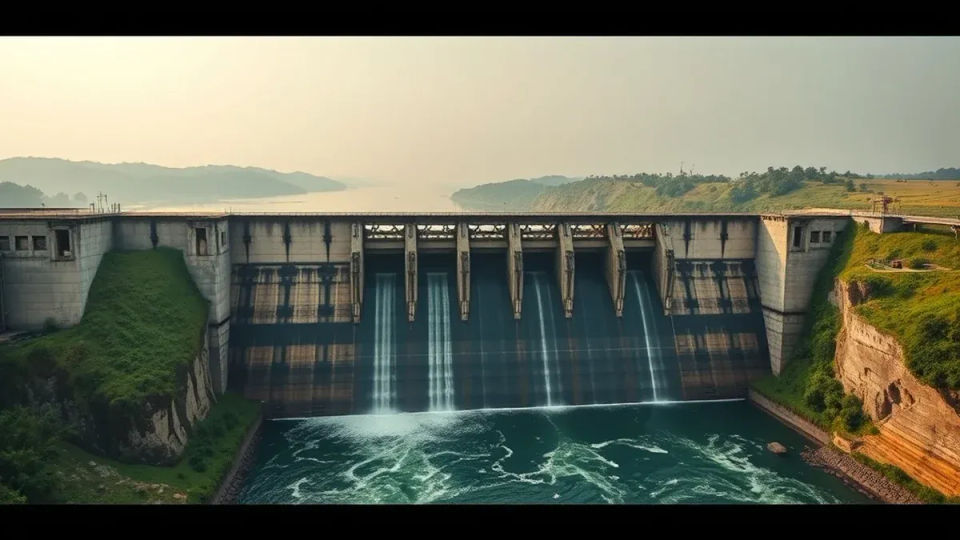
Chief Minister Pema Khandu invited forum representatives to resume bilateral talks to discuss local security conditions and the presence of Central Armed Police Forces. Despite the goodwill overture, indigenous leaders and environmental advocates maintain an uncompromising stance against the proposed 11200-MW hydroelectric installation. The mega-infrastructure project is slated for execution by the National Hydroelectric Power Corporation across the Upper Siang river basin. Central authorities have advocated for the mega dam structure partly as a strategic counter-measure against upstream river diversion initiatives in China. However, indigenous Adi residents argue that constructing the reservoir will submerge ancestral lands and permanently disrupt fragile local ecosystems. In 2000, the Central Government directed the Brahmaputra Board to entrust execution of the 2,000 MW Lower Subansiri project to NHPC, which was followed by the 3,000 MW Dibang project, according to People's Democracy. The release of the four detainees was among the Siang Indigenous Farmers' Forum's key demands before participating in talks, while the government's latest response did not announce the reinstatement of suspended or terminated government employees, according to National Herald. The Arunachal Pradesh government stated that withdrawing FIRs against protesters requires following due legal process.
Indigenous Resistance and Cultural Heritage of the Siang
Activist Katon Moyong, an environmental engineer widely referred to as Abor Man, has emerged as a prominent figure rallying grassroots resistance against the dam. Speaking at the Arunachal Press Club in Itanagar on November 5, Moyong rejected government dialogue proposals, asserting that ancestral territories cannot be bartered. Moyong affirmed that the Adi people hold a sacred cultural bond with the waterway, historically venerated as Mother Siang or Ane Siang across 37 recorded generations. During earlier mobilization efforts in 2025, Moyong conducted an extensive educational awareness and community signature drive reaching across 56 regional villages. Moyong noted that while indigenous villages support micro-hydropower projects on local tributaries, main-stem dam construction threatens community existence. In 1995, following political negotiations in the mid-1990s between the Brahmaputra Board and the Arunachal Pradesh government, original mega-dam plans were broken into six smaller projects on the Subansiri and Dibang rivers, according to People's Democracy.
Strategic Hydro-Politics and Long-Term Deadlock
State officials indicated that withdrawing formal police complaints registered against demonstrators would require adherence to standard judicial procedures. The administration urged local civil society groups to promote peace and avoid confrontational blockades across Siang and Upper Siang districts. The standoff reflects broader development challenges facing the northeastern frontier, where central strategic imperatives collide with indigenous land preservation. Community leaders continue demanding complete project cancellation as prerequisite conditions before committing to formal consultative meetings with state authorities. Officials estimate that the Siang Upper Multipurpose Project could generate nearly 47 billion units of electricity annually with an estimated project cost of approximately Rs 1.5 lakh crore.
Background
Besides the four released protesters, six others remain in detention, while seven marchers launched a 300-km march from Geku to Itanagar to demand their release and security force withdrawal, according to National Herald.