
Mansa Anti-Drug Activist Killing Sparks Punjab Protests and Police Scrutiny
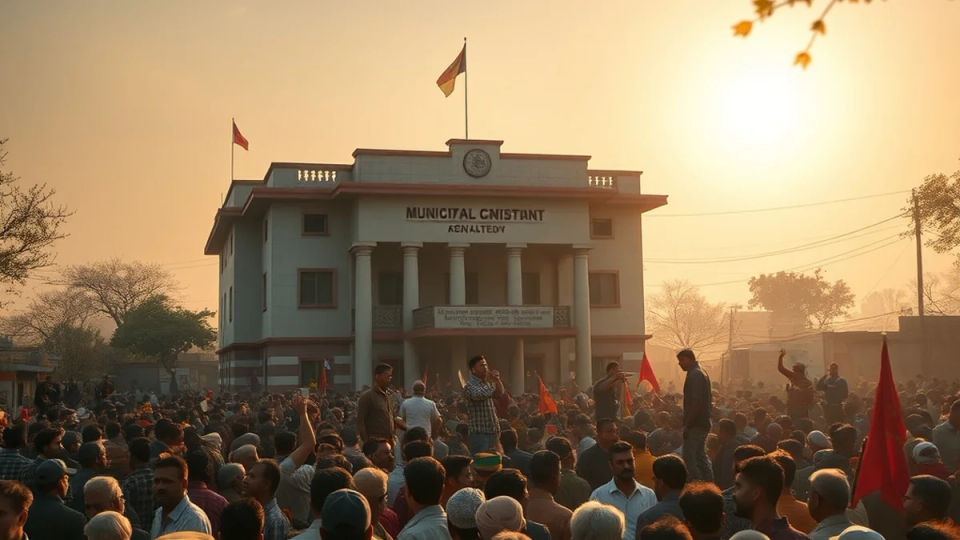
The killing of anti-drug campaigner Parvinder Singh, widely known as Jhota, in Punjab's Mansa district on October 13, 2026, prompted protests, allegations of police inaction and demands for an impartial investigation. Jhota was shot during a confrontation at a chemist shop over suspected unlawful drug sales. The shop owner was later arrested, according to reports. Allegations about drug distribution and the circumstances of the shooting remain matters for investigators and courts.
From one killing to broader unrest
Supporters gathered in Mansa, and Jhota's family initially refused cremation pending action. Authorities suspended a local police officer as scrutiny intensified. Some demonstrations were accompanied by property damage and arson; those acts require separate investigation and should not be attributed indiscriminately to every protester.
Investigation and accountability
The case tests both the response to complaints about controlled medicines and the protection of citizens who report suspected criminal activity. By October 21, the Central Bureau of Investigation had taken over the probe and sought case records from Punjab Police. A central investigation does not determine guilt: its value will depend on evidence, witnesses and a clear reconstruction of events. The family's demand for justice and the accused's due-process rights both remain relevant.
Why the case has wider significance
Punjab's debate over narcotics and illegal pharmaceutical sales is not only about police seizures. Families and community groups also want confidence that complaints can be made without retaliation. Activists who confront suspected dealers may become highly visible, but criminal enforcement remains the responsibility of trained and accountable authorities. The circumstances of an encounter at a chemist shop need independent reconstruction, including eyewitness testimony, any CCTV footage and medical or forensic findings. Public anger cannot replace those steps.
An arrest following the shooting does not establish a suspect's guilt. Investigators must also assess whether officials received previous complaints, how they responded and whether anyone neglected a clear legal duty. Suspending an officer is an administrative measure that should be distinguished from conviction or proof of a wider conspiracy. Allegations of protection for illegal sellers need documented evidence rather than inference from public frustration.
Measuring the response
A meaningful investigation should produce a coherent sequence of events, identify the relevant evidence and explain who made key operational decisions. The handover to the CBI may alter which agency collects records and interviews witnesses, but it is not itself a finding about what happened. Separately, protest leaders and local officials need to address the risk of more confrontations while maintaining the right to peaceful assembly. Subsequent coverage should track formal charges, court decisions and any concrete improvements to complaint handling.