
West Bengal Dengue Cases Fall Nearly 14% to 14,634 as Delhi Logs Over 1,000 Cases by End-October
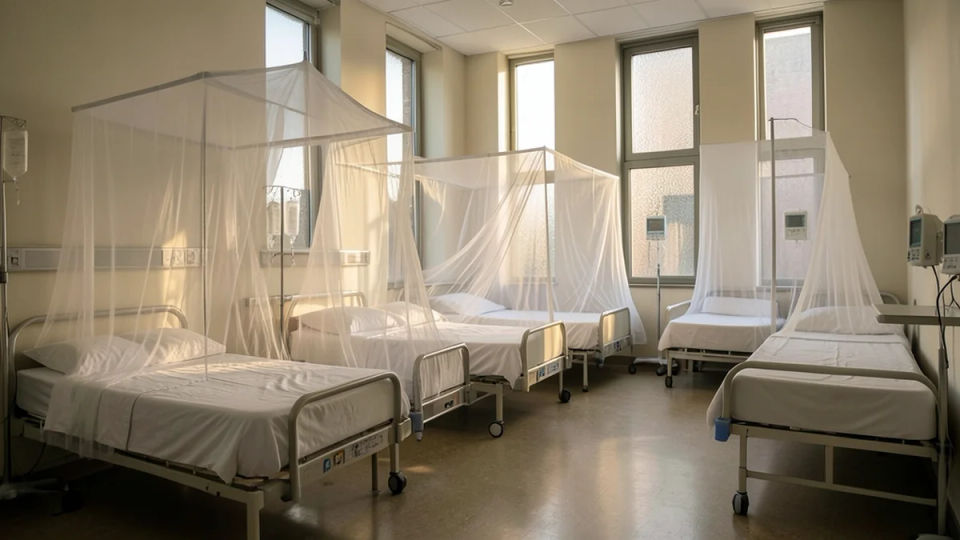
Health Minister Dr Sharadwat Mukherjee said West Bengal logged 14,634 cumulative dengue cases up to 31 October 2026, down from 17,032 in the same period of 2025. That is a decline of nearly 14 per cent. At a national review reported from Kolkata on 11 November, the Centre praised West Bengal's dengue-control measures. The figures draw on data up to the 44th epidemiological week. Mukherjee said: “We are happy that our vector control measures have actually borne fruit and have helped reduce the number of dengue cases significantly in West Bengal”.
Delhi's Dengue Count in September
Delhi-NCR was seeing a rise in dengue cases as the monsoon continued in mid-September. The Municipal Corporation of Delhi data showed 432 dengue cases in the capital in 2026 to that point, against 619 in the corresponding period of 2025. The same comparison gave 709 cases for 2024 and 2,097 for 2023. September had recorded the highest monthly dengue count of the year so far. There were 71 new infections in the week before that report. Of the 432 cases, 121 were recorded in September up to 12 September. Among the zones, West Delhi had 57 cases, Central Delhi 54 and Shahdara North 50.
Delhi's Counts by the End of October
By the end of October, Delhi had logged over 1,000 dengue cases and 355 malaria cases. In the most recent week reported, there were 90 new dengue cases and 18 new malaria cases. No deaths from either disease had been reported so far. The bulk of the cases were in MCD-run areas, particularly the Central and Najafgarh zones for dengue. Delhi also recorded 39 chikungunya cases by the end of October.
Mosquito Control Drives and Inspections
The corporation ran anti-mosquito drives, sprayed insecticide and made more than 3.66 crore house visits to look for breeding spots. Mosquito breeding was found in over 2.21 lakh houses, more than 1.48 lakh legal notices were issued, and 30,000 prosecutions were launched. By mid-September, civic authorities had inspected more than 2.79 crore houses and found active larvae in around 1.47 lakh homes. More than 1.10 lakh legal notices had also been issued by then over conditions that could support mosquito breeding. Dr Suranjit Chatterjee, a senior consultant in internal medicine at Indraprastha Apollo Hospitals, said the increase is closely tied to conditions that let Aedes mosquitoes breed, and that the issue is not simply rainfall but what happens afterwards. Chatterjee added that resident welfare associations, schools and workplaces have a part to play in prevention. There is no specific antiviral treatment for dengue.