
UN Report Warns Everyday Chemicals Cost Over $1 Trillion Yearly
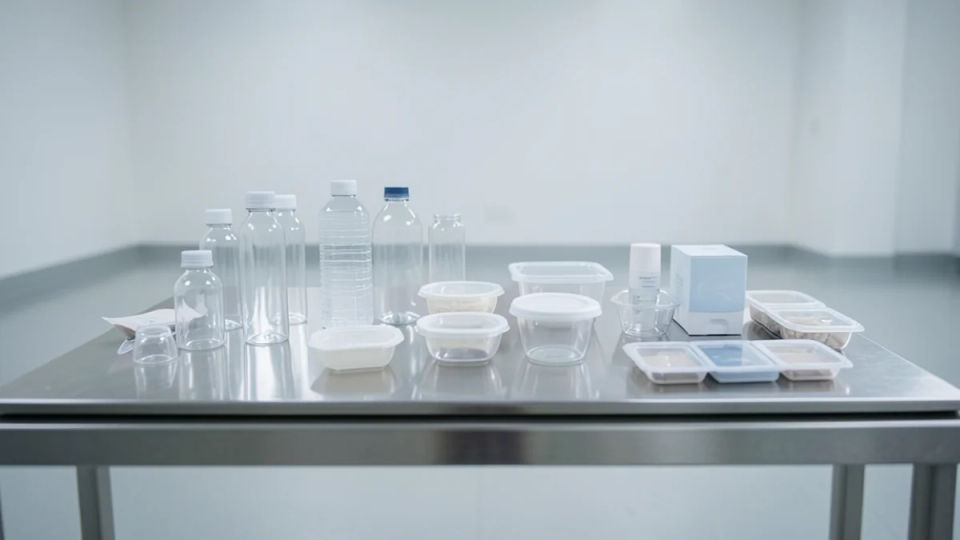
Endocrine-disrupting chemicals (EDCs) found in everyday items from toys and makeup to plastics and building materials pose a "global and growing threat" to human health and the environment, conservatively costing more than $1 trillion annually, according to a landmark United Nations Environment Programme (UNEP) and World Health Organization (WHO) report cited by The Hindu and Phys.org. Released late Tuesday as the first comprehensive assessment of EDC impacts in 14 years, the report reviewed thousands of studies on substances such as bisphenols, phthalates, and parabens while calling current regulations "uneven and insufficient", Phys.org reported.
Disease Links and Worker Exposure
The report found the strongest evidence linking EDCs to neurological conditions, developmental and neurobehavioral effects, and reproductive harms including sperm decline, alongside growing confidence in links to type 2 diabetes and asthma and emerging links to cardiovascular disease, according to Phys.org. "The evidence is so strong that it's irrefutable at this point," said report co-author Laura Vandenberg of the University of Massachusetts Amherst, noting that EDCs are ubiquitous and likely to affect health even at tiny levels, Phys.org reported.
Around 1,000 EDCs have been identified, though experts warn many chemicals remain inadequately tested and could produce "synergistic" effects when combined, according to Phys.org. A 2024 International Pollutants Elimination Network wristband study cited in the coverage found workers handling plastic waste and recycling in Kenya and Thailand faced exposure to over 20 hazardous chemicals, compared with at least 11 among office workers, Phys.org reported. As of November 2026, EU Endocrine Disruptor Lists contain 231 entries for officially identified EDCs and 121 entries for substances under evaluation, according to personalcareinsights.com.
Regulatory Debate and Plastic Expansion
Retired environmental chemistry professor Ake Bergman, who contributed to the 2002 and 2012 EDC reports, said there is no known safe exposure level for most EDCs, while Griffith University toxicologist Frederic Leusch said the hazard is "sufficiently worrisome" to act even without knowing exact threshold doses, Phys.org reported. Stanford University professor and report co-author Tracey Woodruff urged halting the expansion of plastic production, reducing exposures, and banning the worst actors, whereas the International Council of Chemical Associations called for "science-based" regulation that preserves essential products and innovations, according to Phys.org.
Background
The November 2026 UNEP-WHO assessment cites precedent showing that adverse effects linked to legacy EDCs have been reversed following regulatory action to cut environmental contamination, according to who.int.
In personal care, UNEP's November 2026 guidance suggests beauty manufacturers switch to alternative preservatives and mineral-based UV filters, according to personalcareinsights.com.