
Post-Diwali Cough: Pollution Irritation or Airway Illness?
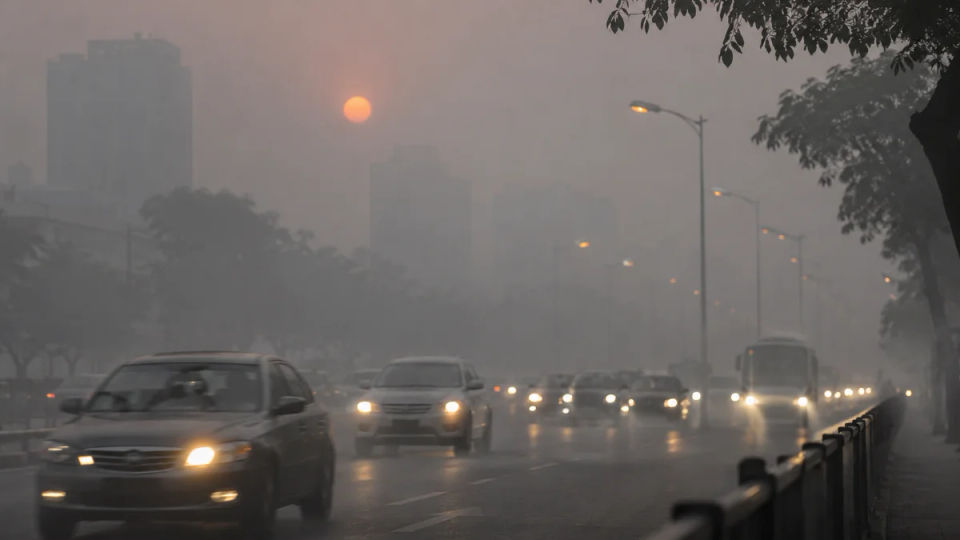
Following annual Diwali festivities, elevated air pollution levels and firecracker fumes frequently trigger persistent respiratory complaints across major metropolitan areas in India. Medical specialists observe that particulate matter levels routinely exceed established safety limits, with Delhi's Air Quality Index crossing 500 during severe episodes. Pulmonologists note that firecracker smoke releases heavy metal residues, sulfur dioxide, nitrogen dioxide, and fine inhalable particulate matter like PM2.5. When inhaled, these airborne toxic pollutants immediately irritate the respiratory tract lining, provoking surface-level inflammation in healthy individuals. Writing for NDTV, consultant pulmonologist Dr Anusha C M emphasized that distinguishing between benign smoke irritation and deeper bronchial inflammation is essential.
Smoke Toxicity and Surface Irritation Versus Bronchial Flare-Ups
In healthy adults, acute exposure generally manifests as a mild dry cough accompanied by throat tickling and minor ocular irritation. These mild initial symptoms typically peak within one to two days after exposure before gradually subsiding within seven days. However, a respiratory flare-up occurs when inflammatory pathways extend deeper into the bronchial tree, causing airway narrowing and excess mucus production. Under deeper inflammation, the cough becomes noticeably harsher and more disruptive, interfering with physical activity, everyday routines, and nighttime sleep. Physicians point out that persistent morning coughing, wheezing, and chest tightness signal a progression toward more serious respiratory impairment.
Symptom Timelines: One-Week Thresholds and Critical Warning Signs
Symptom duration serves as a primary diagnostic indicator for determining when individuals require specialized medical intervention. While surface-level smoke irritation resolves within zero to seven days, a cough that progressively intensifies beyond one week requires clinical attention. Symptoms enduring between one and three weeks frequently reflect secondary post-viral inflammation, low-grade bronchial infections, or latent airway hypersensitivity. A persistent cough extending beyond three weeks enters the subacute or chronic category and mandates comprehensive evaluation by a pulmonologist. Patients experiencing high fever, chills, blood-tinged sputum, or a bluish discoloration on the lips require immediate medical attention.
Vulnerable Populations: Asthma, COPD and Preventive Measures
Individuals living with pre-existing pulmonary conditions face heightened vulnerability from exposure to hazardous post-festive atmospheric air. This high-risk cohort includes patients diagnosed with asthma, chronic obstructive pulmonary disease, chronic bronchitis, bronchiectasis, and post-tuberculosis lung damage. In asthmatic individuals, toxic particulate inhalation triggers acute bronchospasm, provoking extensive airway constriction and potentially severe asthma attacks. For COPD patients, heavy particulate exposure stimulates mucus hypersecretion that can harbor bacterial pathogens and rapidly progress to pneumonia. Medical experts recommend wearing N95 protective respirators outdoors, avoiding firecracker smoke hotspots, and adhering strictly to prescribed inhaler therapies.
Background
Observational hospital records document that acute respiratory admissions can more than double in the fortnight following Diwali as inhaled fine particulates exacerbate underlying lung conditions, according to Omnicuris.
In November 2020, ambient air monitoring in Delhi recorded peak post-Diwali PM2.5 concentrations of 692.27 µg/m³, according to PubMed Central.
Clinical emergency protocols mandate that hospital casualty teams administer systemic corticosteroids, frequent nebulized bronchodilators, and supplemental oxygen therapy without delay for severe post-Diwali hypoxemia refractory to outpatient inhalers, according to Omnicuris.