A new historical and scientific account chronicles the multi-century trajectory of sickle-cell disease, tracing the condition from its ancient evolutionary origins in sub-Saharan Africa to modern biomedical treatments powered by CRISPR gene-editing technology. Published by Belknap Press, "Curved Air: A Biography of Sickle Cell Anemia and the Quest to Cure the First Molecular Disease" by science journalist Kevin Davies synthesizes decades of molecular research, public health policy, and patient experience into a comprehensive study of the inherited blood disorder.
The work examines how a single genetic mutation, which initially emerged as an evolutionary protection against malaria, became one of the most painful and persistent inherited conditions in human history. With sickle-cell disease affecting approximately 90,000 Black Americans today and disproportionately impacting populations of African ancestry worldwide, the account establishes how the disorder moved from an obscure biological anomaly to a foundational catalyst for contemporary molecular medicine.
Molecular Origins and Evolutionary Inheritance
The biological genesis of sickle-cell disease lies in an ancient genetic mutation that developed thousands of years ago across sub-Saharan Africa. From an evolutionary perspective, carrying a single copy of the mutated gene provided a crucial survival advantage by conferring protection against severe malaria infections. This evolutionary benefit allowed the genetic trait to persist and propagate across generations within regions where malaria was endemic.
However, the genetic protection comes with a severe biological trade-off when inherited from both parents. Individuals who inherit two copies of the mutated gene develop sickle-cell disease, a severe blood disorder that fundamentally alters the architecture of red blood cells. Kevin Davies, who holds a doctorate in molecular genetics, details how this biological mechanism transformed an evolutionary shield into a chronic, life-threatening clinical condition that disproportionately affects Black communities today.
Cellular Deformation and the Spectrum of Physical Pain
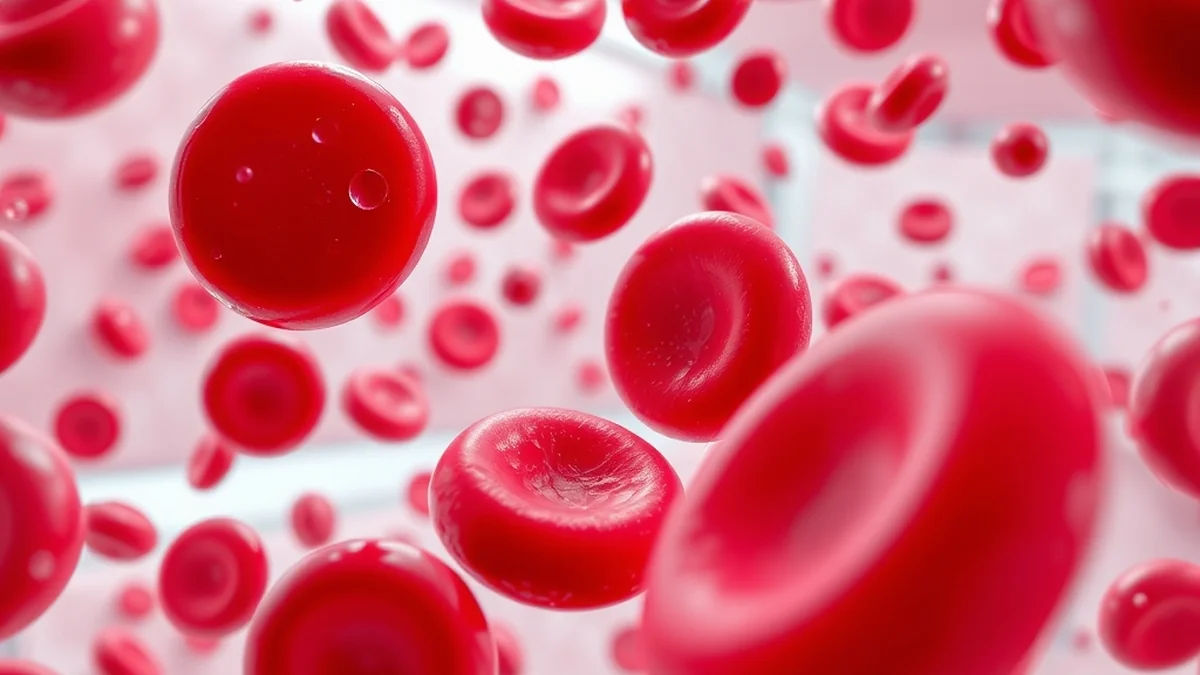
At the center of sickle-cell pathology is the deformation of hemoglobin, the primary oxygen-carrying protein operating inside human red blood cells. Under normal conditions, healthy red blood cells remain flexible and disc-shaped, allowing them to flow smoothly through microvascular networks. In patients with sickle-cell disease, abnormal hemoglobin molecules stick to one another, causing the cells to stiffen and bend into crescent or sickle shapes, a process medically designated as sickling.
This physical transformation produces severe physiological consequences throughout the vascular system. The rigid, sickle-shaped cells frequently obstruct microvascular blood flow, depriving downstream tissues and organs of oxygen. The resulting vascular blockages lead to progressive organ damage and trigger severe, recurring pain crises. Patients described their clinical pain as "stabbing, pulverizing," comparing the sensation to instances where "bones were being sawed by a rusty blade" or feeling "like being hit by a truck and struck by lightning at the same time."
Linus Pauling and the First Molecular Disease Definition
The scientific understanding of sickle-cell disease underwent a major structural shift in 1949 through landmark research led by chemist Linus Pauling. Working alongside a team of researchers, Pauling demonstrated that the disease stemmed directly from a specific physical abnormality in the structure of the hemoglobin protein. This breakthrough marked the first time medical science identified a specific disease caused by an altered protein molecule.
Pauling's discovery established sickle-cell anemia as the world's first recognized molecular disease, a conceptual leap that earned him further distinction prior to his Nobel Prize in chemistry. By linking the physical sickling of red blood cells to molecular interactions, Pauling and his colleagues provided the foundational framework that allowed subsequent generations of researchers to investigate genetic therapies and target the root cause of inherited blood disorders.
From Molecular Discovery to CRISPR Gene Editing
Despite early breakthroughs in identifying the molecular mechanism, therapeutic progress for sickle-cell disease remained slow for much of the twentieth century. In his historical analysis, Davies demonstrates how the disease sat at the complicated intersection of medical research, public health investment, racial equities, and institutional policy, often leaving affected patient populations underserved compared to other genetic conditions.
The therapeutic trajectory shifted dramatically with the emergence of advanced biotechnology, particularly CRISPR gene-editing tools. Modern gene-editing platforms now offer the potential to directly correct or compensate for the underlying hemoglobin mutation at the genomic level. These biotechnological advances represent a shift from symptomatic pain management toward curative genetic interventions capable of preventing cellular sickling permanently.
Current Medical Implementation and Historical Documentation
The release of "Curved Air" across 352 pages documents the transition of sickle-cell disease from a mysterious biological condition into a primary testing ground for human gene therapy. In reviewing the volume, journalist Laura Landro emphasized how the title itself pays homage to the distinctive curved geometry of sickled blood cells that defined the disease's clinical identity for generations.
While CRISPR-based treatments offer prospective cures for patients, broader implementation challenges persist regarding treatment accessibility, healthcare infrastructure, and equitable delivery to affected populations. Ongoing therapeutic developments and medical evaluations will determine how rapidly these genetic technologies can be deployed to relieve the chronic burden carried by patients living with the disorder.